
The modern bathroom has quietly become a mini digital sanctuary. What was once a few minutes of quiet time has turned into a scrolling session — a quick “check” of social media that somehow lasts ten or fifteen minutes. While that may sound harmless, doctors are now warning that this habit could be setting you up for an uncomfortable problem: hemorrhoids. Reports from Healthline and CNN reveal that spending extended periods on the toilet while using your phone can significantly increase pressure on the veins surrounding your rectum and anus, leading to swelling and inflammation. The risk is subtle, creeping up over time, until you begin to notice discomfort, itching, or even bleeding.
The modern bathroom has quietly become an extension of our digital lives. What used to be a few minutes of privacy has turned into a scrolling ritual — a small refuge where you can escape into social media, messages, or news updates. Yet behind this harmless habit lies an unexpected health concern. Doctors now warn that spending too long on the toilet, especially when distracted by your phone, increases your risk of developing hemorrhoids. According to CNN and Healthline, the longer you sit, the more pressure builds up in the veins surrounding your rectum and anus, causing them to swell and become irritated. That pressure, repeated over time, creates the perfect conditions for hemorrhoids to develop.
This issue isn’t limited to bathroom time — it’s a small reflection of how deeply screens have infiltrated our everyday rhythms. We carry our phones everywhere, and in doing so, we lose awareness of our bodies’ natural cycles. The bathroom, ideally a moment for quiet and release, becomes just another environment of distraction. Taking that time back isn’t just about reducing hemorrhoid risk — it’s about reclaiming your attention, your posture, and your body’s natural ease.

What Exactly Are Hemorrhoids?
Hemorrhoids are swollen veins in the rectum and anus that become inflamed due to pressure or irritation. Everyone has hemorrhoidal tissue; it helps cushion the area during bowel movements. But when this tissue becomes enlarged, it causes pain, itching, or bleeding. Internal hemorrhoids occur inside the rectum and are often painless, while external ones, found under the skin around the anus, can cause sharp pain and discomfort. They’re not life-threatening but can significantly affect your quality of life, making sitting, walking, or even sleeping uncomfortable.
The causes are surprisingly common: chronic constipation, straining during bowel movements, and prolonged sitting are the main culprits. However, lifestyle factors such as low-fiber diets, dehydration, pregnancy, and obesity also contribute. Over time, repeated strain weakens the vein walls, making them more likely to swell. Using your phone on the toilet might seem minor, but when you add minutes of unnecessary sitting each day, the cumulative effect becomes meaningful. Each extra minute increases the gravitational pull on blood in your lower body, which is why doctors now include “toilet scrolling” in their list of risk factors.
While hemorrhoids can be uncomfortable, they’re also preventable. The tissues in your rectum and anus respond well to care and consistency. By improving diet, posture, and awareness of your bathroom habits, you can strengthen those tissues and improve blood flow. Even simple practices like staying hydrated, adding fiber, and reducing sitting time can reverse early symptoms. The body wants balance; all it needs is for you to stop working against it.

Why Your Phone Is Making Things Worse
The problem with scrolling isn’t the phone itself — it’s the behavior it encourages. Sitting on the toilet should take only a few minutes, yet when the mind is occupied with notifications and videos, time stretches. A quick glance becomes an extended session. During that time, the muscles in your lower pelvis remain relaxed, while gravity draws blood downward into the rectal veins. That buildup increases pressure and causes the delicate vein walls to expand. Over months or years, this repeated stress contributes to hemorrhoid formation.
Adding to that is posture. The typical “scrolling hunch” — leaning forward, elbows on knees, head down — compresses your abdomen and raises internal pressure. That posture pushes on the rectal veins from the inside, while your seated weight presses from the outside, trapping blood in the lower pelvis. It’s an unnatural position that your body tolerates poorly. Doctors have also observed that when people strain while distracted, they tend to overexert their abdominal muscles without realizing it, adding even more tension to the veins.
This seemingly modern issue also reflects how screens have altered body awareness. When attention shifts outward to the phone, the connection to bodily signals fades. You stop noticing how long you’ve been sitting, how you’re breathing, or how much effort you’re applying. Over time, the phone becomes both distraction and discomfort. Breaking that habit doesn’t mean giving up your phone — it means reclaiming attention to what your body is actually doing while you use it.

The Bowel-Brain Connection: Why Focus Matters
Your body doesn’t separate mental focus from physical function. The brain and gut are in constant communication through the gut-brain axis, a system of nerves, hormones, and biochemical signals. This link helps coordinate bowel movements and digestive rhythm. When you’re scrolling through your phone, your brain shifts focus away from these internal signals. The body’s coordination falters, leading to irregular contractions in the intestines and slower elimination. In simpler terms, distraction literally disrupts digestion.
Over time, this distraction becomes habit. Many people subconsciously associate phone time with bathroom breaks, creating a behavioral loop where the urge to “go” is paired with the urge to scroll. It’s not only a time issue but also a neurological one. Your nervous system begins to rely on external stimulation — the phone — rather than internal cues. This can lead to delayed or incomplete bowel movements, making you strain or linger unnecessarily, increasing the risk of hemorrhoids.
When you approach the bathroom mindfully — leaving your phone aside and focusing on the process — you allow your nervous system to function as designed. Muscles coordinate smoothly, elimination happens naturally, and your body finishes when it’s ready. It may feel unusual at first, but giving your brain back its focus restores harmony to your digestive rhythm. In an age of constant multitasking, those few minutes of awareness are a small but powerful act of self-care.

Natural Ways to Prevent Hemorrhoids — Without Ditching Your Phone Entirely
Preventing hemorrhoids is less about giving up technology and more about restoring balance. Set a five-minute bathroom rule: if nothing happens within that time, stand up and try again later. This simple limit keeps your veins from unnecessary strain. Over time, your body will adjust to a healthier rhythm, responding more efficiently to natural urges. Small adjustments like this make a significant difference.
Dietary changes are equally essential. Fiber softens stool, making it easier to pass. Whole grains, lentils, chia seeds, fruits, and leafy greens nourish both your gut and your intestinal bacteria. Pair fiber with hydration — water allows fiber to expand and do its job. Aim for steady sipping throughout the day instead of large gulps all at once. Even gentle physical activity helps; a short post-meal walk stimulates the digestive system and supports circulation to prevent pooling in the rectal veins.
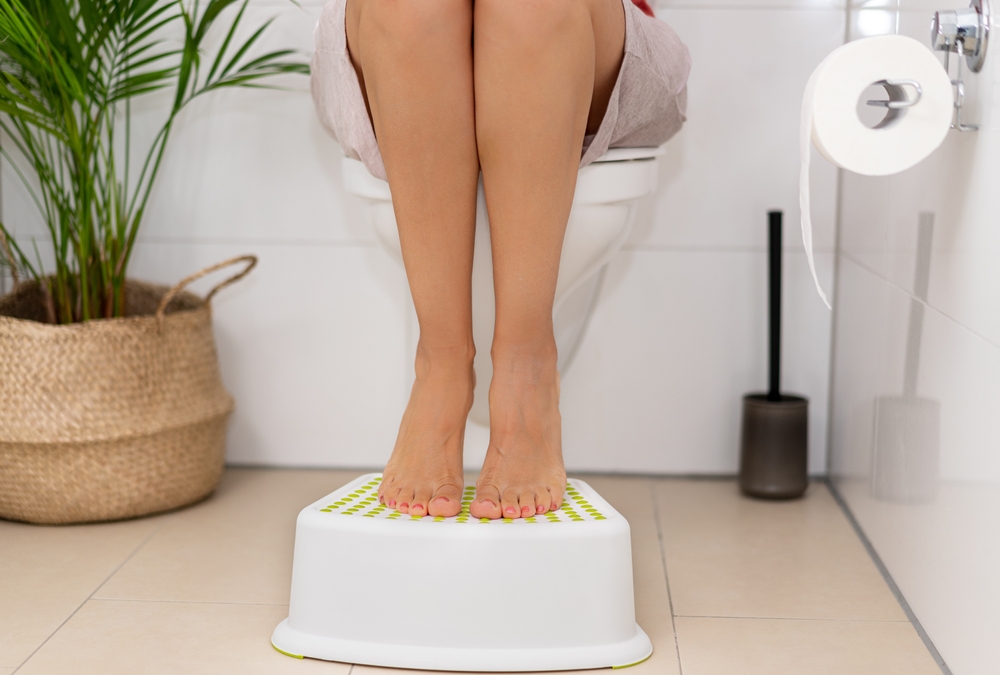
Finally, posture matters. Try elevating your feet on a small stool while sitting on the toilet to mimic a natural squatting position. This alignment straightens the colon and reduces strain. Building these mindful, physical habits turns each bathroom visit into an act of awareness rather than a passive escape. Over time, the combination of movement, nutrition, and mindfulness creates a body that functions smoothly — no strain required.
Could Gut Imbalance Be a Hidden Factor?
Hemorrhoids often trace back to one underlying problem: constipation. And constipation itself is often a symptom of gut imbalance. Your gut microbiome — trillions of bacteria in your intestines — influences digestion, stool consistency, and intestinal health. When those bacteria are out of balance, digestion slows down, stool hardens, and elimination becomes more difficult. Each episode of straining adds microscopic trauma to the veins in your rectum.
To restore balance, focus on foods that feed good bacteria. Fermented foods like yogurt, kefir, kimchi, or sauerkraut help restore beneficial microbes. Pair them with fiber, which acts as food for these bacteria. The result is smoother, more regular digestion and less pressure on your veins. Supplements can help too, but consistency is key — your microbiome thrives on daily nourishment, not sporadic fixes.
Stress also disturbs the gut. When you’re anxious, the body diverts energy away from digestion, slowing it down. Long social media sessions — often filled with overstimulation — can unconsciously trigger this stress response. That’s why calming rituals like deep breathing or mindfulness before using the bathroom make a difference. You’re training your nervous system to release tension, helping your gut function the way it’s meant to.
When to Seek Medical Help
Even with good habits, some people may still experience symptoms. Mild hemorrhoids can be treated naturally through diet and hydration, but ongoing pain, swelling, or bleeding should never be ignored. Persistent discomfort lasting more than a week, visible lumps, or mucus discharge are signs to consult a doctor. Sometimes what appears to be a hemorrhoid may actually be another condition, such as an anal fissure or rectal prolapse, requiring specific care.
Doctors can offer treatments that range from topical ointments to minimally invasive procedures. But even these medical interventions work best when paired with behavioral change. Without adjusting toilet time, posture, and diet, the problem can return. The good news is that the same healthy practices that prevent hemorrhoids also improve overall gut health, circulation, and comfort — making recovery faster and more lasting.
Awareness and early action are your strongest allies. Many people endure discomfort out of embarrassment, but hemorrhoids are common and treatable. Seeking help early doesn’t just bring relief; it prevents chronic inflammation and future complications. It’s an act of care — one that acknowledges your body’s signals instead of ignoring them.
Stop Scrolling, Start Listening — Your Body Is Talking
Every moment you spend scrolling on the toilet might seem trivial, but it shapes habits that your body quietly responds to. When your mind is distracted, your body strains harder, sits longer, and forgets how to move naturally. By simply putting the phone down and letting your attention rest on your body, you begin to reverse that pattern. Awareness is the most natural medicine you have.
Your body is always speaking — through its rhythms, its urges, its subtle discomforts. Learning to listen transforms small habits into gateways for health. The bathroom can return to what it was meant to be: a space for release, not distraction. Over time, you’ll notice that less screen time equals less strain, smoother digestion, and a calmer mind.
Healing begins not in grand gestures but in moments like these — quiet, unremarkable, and entirely human. When you stop scrolling and start noticing, your body responds with gratitude. And in that pause, you rediscover something deeper than convenience: connection — between your habits, your health, and yourself.
