
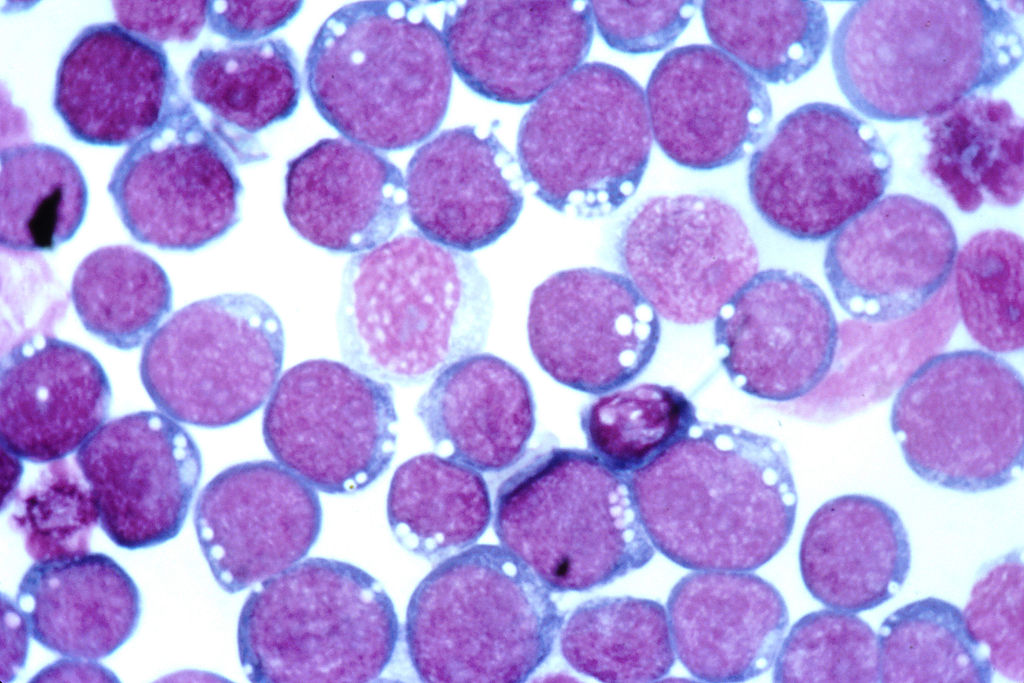
Lupus has been one of the most difficult autoimmune conditions for researchers to fully explain. For years, evidence has pointed toward Epstein–Barr virus EBV playing a part, yet the exact relationship has stayed just out of reach. Now, new work from Stanford Medicine is offering a clearer view of what might be happening beneath the surface, raising questions that could shift how we think about this condition moving forward.

The finding does not offer a cure, but it changes the way scientists are approaching the puzzle. Instead of speculation, there is now a more concrete direction that may reshape future research.
What this means for people who carry EBV, for those living with lupus, and for the broader field of autoimmune science is beginning to take shape, and early insights are prompting even deeper curiosity.
How EBV Became the Prime Suspect
EBV has drawn scientific attention for decades because of how deeply it embeds itself into the immune system. It infects B cells, which are responsible for producing antibodies and supporting long term immune memory. Unlike many viruses that enter and quickly leave the body, EBV remains in these cells for life. This persistent presence has raised questions about whether the virus might interfere with normal immune regulation in certain individuals.
Epidemiological studies have consistently shown that people with lupus almost always have a history of EBV infection. This alone is not enough to establish causation, especially because EBV is nearly universal. However, researchers noticed additional patterns that kept pointing back to the virus. Many individuals with lupus demonstrate stronger than expected immune responses to EBV related proteins, suggesting their immune system is interacting with the virus in an unusual way.

Another clue came from population studies showing that the risk of autoimmune diseases tends to rise following symptomatic EBV infections such as infectious mononucleosis. While most people recover without complications, a small subset experience long lasting immune activation. This observation prompted further investigation into whether the virus might alter immune cell behavior in ways that could escalate into autoimmunity.
NICE reports that more than 95 percent of adults worldwide carry EBV at some point in their lives, yet only a small fraction develop lupus. This disparity encouraged scientists to examine how the virus behaves differently in those who ultimately develop autoimmune disease. The groundwork laid by these earlier findings created a foundation for the latest study, which finally allowed researchers to look directly inside EBV infected B cells with far greater detail. This deeper view helped reveal how the virus may influence immune pathways that have been difficult to analyze in the past.
The Breakthrough: A New Way to Study Infected B Cells
The Stanford team developed a laboratory method that allowed them to isolate EBV infected B cells with far greater precision than earlier approaches. This was essential because EBV often remains at very low levels in healthy individuals, making infected cells hard to identify and study. The new method let researchers capture these cells even when they were rare, and then analyze which genes were active inside them.
Once the infected B cells were isolated, the team used high resolution sequencing tools to examine their gene expression patterns. This revealed a clear difference between cells from healthy individuals and those from people with lupus. In healthy individuals, EBV infected cells were extremely uncommon, appearing in fewer than one in ten thousand B cells. In lupus, the infected population increased to roughly one in four hundred. This increase alone suggested that EBV behaves differently in people who develop autoimmune disease.

The gene activity inside these cells was even more revealing. The researchers found that EBV was capable of activating a molecular switch gene that changed how the infected B cell functioned. Instead of remaining in its usual antibody producing or memory state, the cell shifted into an antigen presenting state. This state is normally used to alert the immune system to threats. The shift created a stronger immune activation environment, which then involved additional immune cells and brought usually quiet self reactive B cells into the response.
According to senior author William Robinson MD PhD, this discovery represents a major step in showing how EBV can push the immune system toward autoimmunity. “This is the single most impactful finding to emerge from my lab in my entire career,” he said in the official Stanford announcement. “We think it applies to 100 percent of lupus cases.” The study, published in Science Translational Medicine, strengthened the connection by showing that the molecular switch appeared consistently in EBV infected B cells from people with lupus.
The breakthrough did not attempt to explain why only some individuals experience this shift or why EBV behaves differently in them. Instead, it provided the detailed cellular evidence that had been missing. This direct look into infected immune cells gave researchers the clarity needed to link the virus to the early steps of autoimmune activation.
Why Most People with EBV Never Develop Lupus with EBV Never Develop Lupus
Only a small percentage of people who carry EBV ever develop lupus, and current evidence points to a combination of factors that shape this difference.
Viral Variation
Research suggests that EBV strains are not uniform. Some may be more active in influencing immune signals, while others remain largely quiet after the initial infection. Scientists are investigating whether certain strains are more likely to encourage B cells to shift into antigen presenting roles, which could raise the risk of autoimmune activation in susceptible individuals.
Genetic Susceptibility
Genetics strongly influence how someone manages long term viral presence. The Lupus Foundation of America estimates that about five million people worldwide have lupus, and many carry immune related gene variants. These genes affect how inflammation is controlled and how the immune system responds to persistent viruses like EBV. People with these variants may be more prone to abnormal activation when EBV infected B cells behave differently.

Individual Immune Regulation
Immune systems differ widely in how they regulate activation and recovery. Some people shut down unnecessary immune responses efficiently, while others allow low level triggers to build. These small differences can determine whether EBV remains silent or contributes to chronic immune activity.
Combined Influence
These factors work together rather than independently. EBV infection is nearly universal, but lupus develops only when viral behavior, genetics, and immune regulation align in a way that permits ongoing activation. This combined model explains why the virus is common yet lupus remains uncommon.
What This Means for Future Treatment and Screening
The discovery provides a clear pathway researchers can now target. Here’s what it could influence:
- Early detection of high-risk individuals: If clinicians can identify people whose B cells respond abnormally to EBV, they might one day screen for lupus risk before symptoms start.
- New therapy approaches: Treatments that interrupt the molecular switch or prevent EBV from activating antigen-presenting pathways could help reduce disease activity.
- Vaccine development: Multiple EBV vaccine candidates are already in development. If a safe and effective vaccine prevents the virus from entering its dormant B‑cell phase, autoimmune risk may drop.
- Insights for other autoimmune conditions: Researchers suspect the same mechanism may contribute to other EBV‑linked diseases, including multiple sclerosis.
A Look at Lupus Through a Public Figure: Selena Gomez’s Story
Autoimmune diseases can feel distant until someone in the public eye shares their experience. Selena Gomez, diagnosed with lupus in her early twenties, has spoken openly about the progression of her condition and the impact it had on her kidney health. Her kidney transplant in 2017 brought broader awareness to the seriousness of lupus as an illness that can affect multiple organs.

Her interviews describe challenges such as fatigue, medication side effects, and the need for consistent immune management. These experiences show how lupus affects day to day life in ways that are not always visible. Her story does not represent every person with lupus, but it highlights how unpredictable the condition can be and why scientific progress is important for those who live with ongoing uncertainty.
The Bottom Line
This discovery shifts lupus research into clearer territory. For the first time, scientists can see how a widespread virus interacts with the immune system in a way that may set autoimmune activity in motion. That kind of clarity is rare in complex conditions like lupus, and it gives researchers a more direct path to follow.
The progress may not translate into immediate treatments, but it sharpens the focus of future work. Instead of broad theories, there are now concrete cellular events to examine and specific targets to interrupt.

For the millions of people living with lupus, this marks an important change. It signals that research is moving toward answers that are rooted in clearer evidence and closer to actionable solutions.
Featured Image from Unknown photographer, Public domain, via Wikimedia Commons

.jpg)
.jpg)