
In the sterile, high-pressure environment of a neonatal intensive care unit, every second counts. Monitors beep, oxygen pumps hum, and a dedicated team of doctors and nurses fight to give fragile newborns the best chance at life. For one premature baby born in 2007 at Rhode Island Memorial Hospital, the odds of survival were grim. Weighing just over a pound and struggling for breath, he faced challenges no infant should have to endure. Despite every medical protocol, his condition worsened until his heart stopped.
What happened next has now been recognized as Pope Leo’s first miracle—a moment where science seemed to meet something beyond explanation. Dr. Juan Sanchez-Esteban, a physician on duty that day, paused his medical interventions, folded his hands, and prayed to a 19th-century Spanish priest named Father Salvador Valera Parra. He asked for help in the simplest, most direct terms: “Fr. Valera, I have done everything I can. Now it’s your turn.” Moments later, the baby’s vital signs returned, and against all expectations, he would go on to live a healthy, happy life.

The Miracle Behind the Announcement
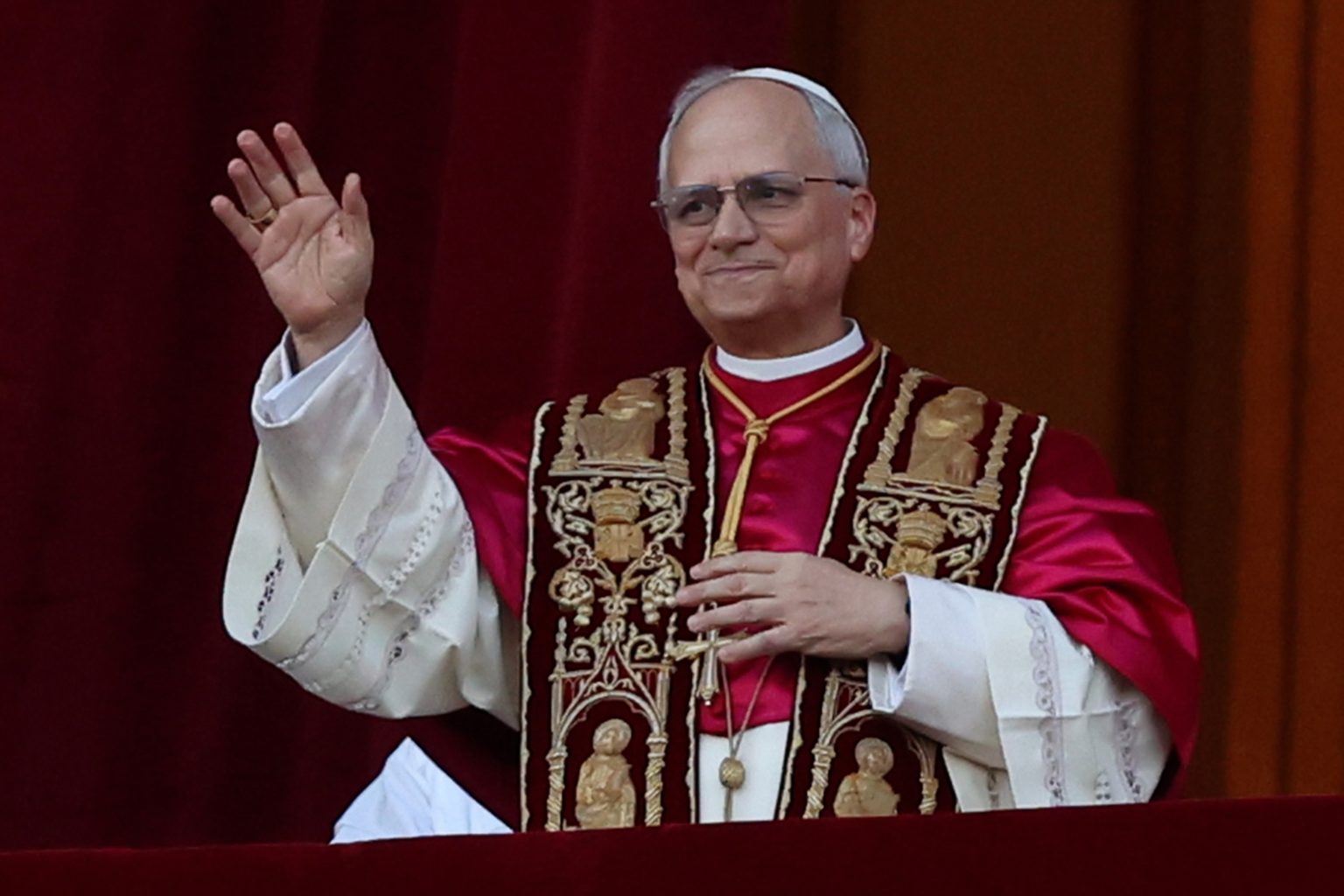
When Pope Francis passed away at the age of 88 in April, the Catholic Church entered a period of transition. By May 8, the papal conclave had chosen Pope Leo as the new leader, marking a historic first—he was the first American ever to be elected pope. Not long into his papacy, he announced the recognition of his first official miracle: the recovery of baby Tyquan Hall, the premature infant saved in that Rhode Island hospital nearly two decades earlier.
The Vatican’s declaration linked this recovery to the intercession of Father Salvador Valera Parra, who lived from 1816 to 1889 in Spain. Valera Parra was known for his humility, compassion, and deep dedication to caring for the sick. This miracle is part of the ongoing process to canonize him as a saint. In the Catholic tradition, a miracle attributed to a potential saint’s intercession is a vital step toward sainthood. For believers, the recognition of this event is more than historical—it’s a sign of hope and divine presence in the most vulnerable moments of life.
Tyquan’s birth had been marked by medical emergencies from the start. Born far earlier than expected, he had only the faintest heartbeat. Doctors initiated every neonatal recovery measure available, including advanced ventilation and life support techniques, but his tiny body wasn’t responding. When his heart stopped entirely, it became clear that science had reached its limits. It was at this critical juncture that Dr. Sanchez-Esteban turned to prayer—a decision that changed everything.
The Doctor’s Reflection Years Later
In the wake of the Vatican’s announcement, Dr. Sanchez-Esteban issued a public statement. Bound by patient confidentiality laws, he could not speak directly about Tyquan. However, he acknowledged the meaning that the recognition of this miracle has brought to many people. “As a physician, I have the privilege of witnessing both the fragility and the incredible resilience of life,” he said. He emphasized that his team’s work is guided by compassion, excellence, and respect for every individual’s beliefs, regardless of the circumstances.
His words point to a broader truth—medicine and spirituality are not necessarily opposing forces. Many doctors understand that while clinical expertise is essential, the human spirit can influence outcomes in ways we cannot always measure. For Dr. Sanchez-Esteban, that day in the neonatal unit was one where he brought every ounce of skill and training to the table, and when that wasn’t enough, he called on something beyond himself.
This blend of medical knowledge and spiritual openness is not uncommon in healthcare settings. In fact, many hospitals employ chaplains and offer spiritual care services alongside medical treatment. These resources acknowledge that a patient’s emotional and spiritual well-being can impact recovery. Tyquan’s story, now immortalized as a recognized miracle, is an extreme yet powerful example of this integration.

Faith and Healing: What the Science Says
The connection between faith and health has been the subject of scientific inquiry for decades. While prayer is primarily understood as a spiritual practice, researchers have examined whether it might have measurable effects on physical outcomes. Some studies suggest that people with strong religious or spiritual beliefs may experience better coping skills, lower stress levels, and even improved immune function compared to those without such beliefs.
For example, research published in ISRN Psychiatry indicates that spiritual practices can help reduce cortisol levels—the body’s primary stress hormone. Lower cortisol may lead to less inflammation and better overall health, which can play a role in recovery from illness or surgery. Additionally, people who regularly participate in faith communities often have access to strong social support networks, which have been shown to improve survival rates in serious illness.

It’s important to note that scientific studies on prayer and healing produce mixed results, and not all researchers agree on its direct physical effects. However, there is strong consensus on one point: spiritual practices can benefit mental and emotional health, which in turn can influence physical well-being. In Tyquan’s case, whether his recovery was purely divine intervention or a combination of medical and spiritual forces, the outcome speaks for itself.
Why Stories Like This Resonate
Stories of survival against all odds have a universal appeal because they touch on emotions we all share—fear, hope, and gratitude. For parents, hearing about a premature baby who grows up healthy despite dire predictions can be deeply reassuring. For medical professionals, it’s a reminder of why they chose a career in healing. And for people of faith, it’s a living example of belief put into action.
Part of what makes Tyquan’s story compelling is the way it defies neat categorization. It isn’t just a story about medicine, and it isn’t only about religion. It’s about a moment when a human being—armed with all the training and resources of modern medicine—still chose to pause, reach beyond, and ask for help from a higher power. That moment of humility and hope changed the course of a life.
These stories also encourage broader conversations about how we define healing. Is it strictly the restoration of physical health, or does it also involve the strengthening of the human spirit? In many cultures, healing has always been seen as a holistic process, one that integrates body, mind, and soul. Tyquan’s recognized miracle bridges that understanding, reminding us that health is rarely just physical—it’s deeply personal and sometimes, unexplainable.
Tips for Nurturing Health—Body, Mind, and Spirit
Even if we’re not facing life-or-death medical emergencies, we can still adopt habits that support our overall well-being in the same three dimensions—physical, emotional, and spiritual. By weaving these practices into daily life, we strengthen our resilience and give ourselves the best possible foundation for health.
First, set aside time each day for intentional quiet. This could be prayer, meditation, deep breathing, or simply sitting in silence. Such practices help regulate stress responses, allowing your body to focus more energy on repair and recovery. Second, keep a gratitude journal. Writing down three specific things you’re thankful for each day can shift your mindset toward positivity, which can benefit mental and physical health.
Physical movement also plays an essential role in holistic wellness. Gentle activities like yoga, tai chi, or walking outdoors can strengthen the body while calming the mind. Surrounding yourself with a supportive community—whether it’s a faith group, a circle of friends, or a volunteer organization—can provide the emotional anchor needed in times of stress. Lastly, engage in acts of kindness or service. Helping others can bring a sense of purpose and connectedness that nourishes the spirit.
When Miracles Meet Modern Medicine
The recognition of Pope Leo’s first miracle is not a call to abandon science; it’s a reminder to expand our understanding of what healing can look like. In many healthcare systems, chaplains and spiritual care providers work alongside doctors, creating an environment where patients receive both medical treatment and emotional-spiritual support. These integrated models acknowledge that recovery often involves more than medication and procedures—it requires nurturing the whole person.
Some medical professionals may be hesitant to use words like “miracle,” preferring to speak in terms of statistical odds or unexplained recoveries. But for those who experienced Tyquan’s survival firsthand, the label feels accurate. This is not about undermining science but about recognizing that human life is influenced by forces both seen and unseen.
In the end, modern medicine and spiritual faith don’t have to compete. They can exist together, each contributing to the shared goal of restoring health and hope. Tyquan’s journey from a fragile, breathless newborn to a thriving young man stands as a testament to the possibilities that open when we embrace both.
Faith, Hope, and the Healing Journey
Pope Leo’s recognition of his first miracle is a milestone that blends religious tradition with a deeply human experience. It’s a reminder that healing is rarely a single-track process. Whether you call it divine intervention, the power of the human spirit, or the perfect alignment of medical expertise and timing, the result is the same—a life saved and a future reclaimed.
In a world where many of us will face moments of uncertainty about our health or the health of loved ones, stories like this remind us to hold onto both hope and action. We may not always see the full picture, but we can continue to care for our bodies, strengthen our minds, and nourish our spirits, knowing that healing can come from many directions—and sometimes, from places we least expect.
