
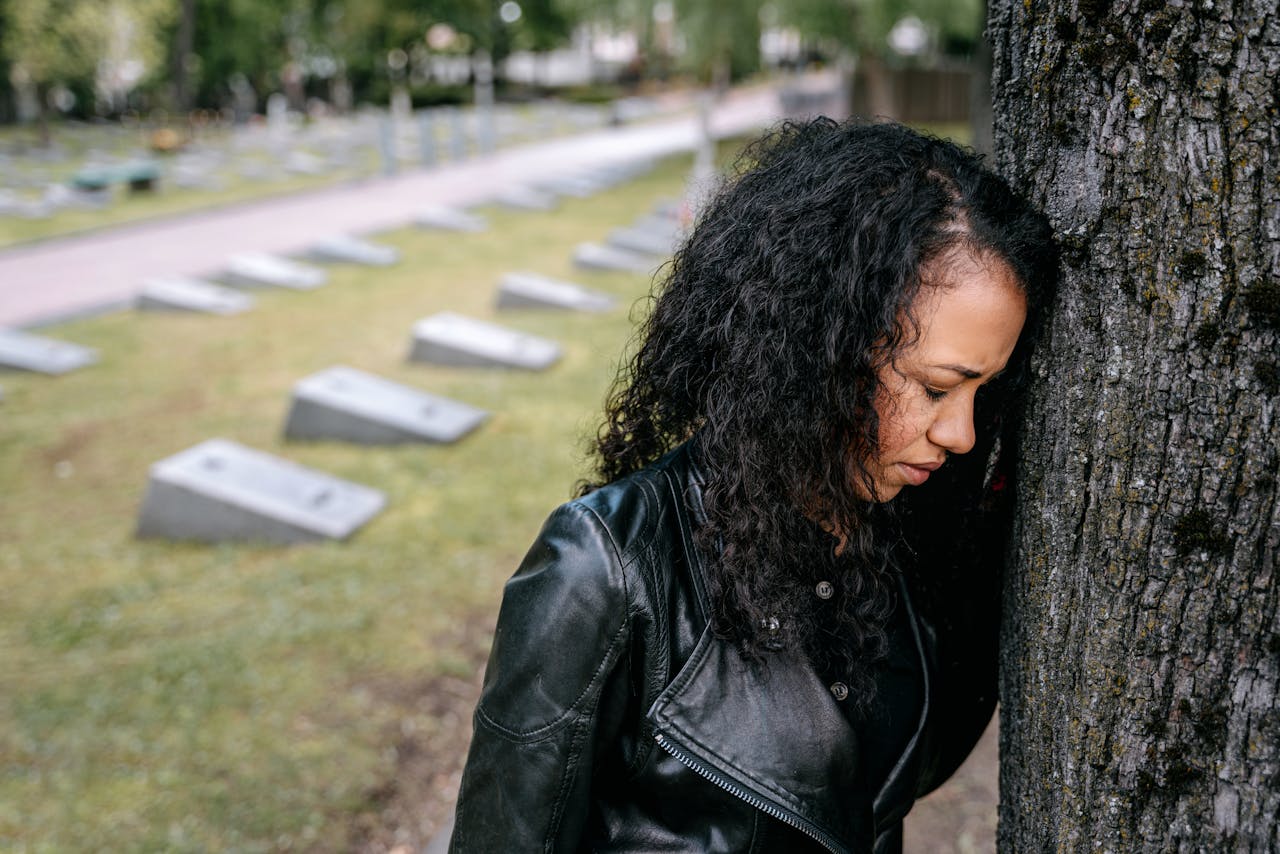
There are moments that shake the very foundation of what we believe about life, death, and love. A photograph, a memory, or even a stranger’s face can suddenly pull us into the past, reopening questions we thought had faded with time. For one mother, that moment came inside a museum, staring at a body she believed to be her son’s. What followed was a story that challenges our understanding of grief, truth, and how far the human heart will go for closure.

The Layers of Grief: When Loss Becomes Unanswered Questions
When Kim Erick visited a Las Vegas Real Bodies exhibition in 2018, she never expected to recognize the preserved figure before her. She believed it was her son, Chris Todd Erick, who had died six years earlier under mysterious circumstances. The shock reignited every question she thought had been laid to rest.
“I knew it was him. It was so unbelievably painful to look at,” Kim told The Sun. “My words cannot describe how this shook me and my family to its core. I was actually looking at pictures of my son’s skinned, butchered body. It is gut-wrenching.”
The museum, operated by Imagine Exhibitions, Inc., denied her claim, stating the specimen had been displayed since 2004—years before Chris’s death. Still, for Kim, the mystery was far from over. Her grief turned into a search for truth that blurred the line between loss, ethics, and love.

Grief is rarely simple. For those who lose someone without clear answers, it lingers like a question without an ending. Chris’s death in 2012 was first ruled a suicide, later changed to cyanide toxicity with “no signs of foul play.” Kim never accepted it. Her experience echoes what psychologist Pauline Boss, PhD, calls ambiguous loss—a state where closure feels impossible and the mind keeps seeking meaning.
For Kim, believing she saw her son’s body was more than a shock; it was her brain’s attempt to fill the unbearable gap between knowing and not knowing.
The Ethical Dilemma: When the Dead Become Displays
Exhibitions such as Real Bodies claim to educate, yet they exist in a gray area between science and morality. Imagine Exhibitions, Inc., the company behind the display, told Lead Stories that “all specimens are ethically sourced and biologically unidentifiable,” adding that the exhibits “meet the highest ethical and legal standards.”
The question of ethics persists because the origins of the bodies are unverifiable. Critics insist that transparency and documented consent are essential to protect human dignity. Without clear proof of consent, these displays risk reducing people to specimens. Ethical oversight should therefore require museums to disclose sourcing and maintain verifiable records.
Global standards vary. Some nations require donor consent and traceable documentation, while others allow preserved remains with limited regulation. The absence of consistent guidelines creates uncertainty and invites cultural tension over how human remains are used.
Anthropologist Dr. Anita Hannig of Brandeis University notes that modern society’s detachment from death heightens discomfort with these exhibits. Confronted with preserved bodies, visitors are reminded of mortality and forced to consider whether education justifies exposure. The issue is not only about legality but whether the deceased retain a right to dignity.
The debate asks a simple question: should fascination outweigh respect? Exhibitions of human remains challenge both curators and audiences to balance curiosity with conscience.

When the Body Is Gone but the Bond Remains
After the Real Bodies theory was dismissed, Kim turned to a new possibility. Investigators in Nevada had found more than 300 piles of cremated remains near the town of Searchlight. She now hopes DNA testing might confirm whether her son’s ashes are among them. “I’d like to see the 300 piles of human cremains tested for DNA to determine who these people were,” she told The Sun.
Her persistence shows the depth of attachment that endures long after loss. Psychologists describe this as a continuing bond, a connection that integrates the memory of the deceased into everyday life. When balanced with awareness and support, it can ease suffering rather than extend it.
Research in Omega: Journal of Death and Dying (2020) found that maintaining such a bond helps reduce anxiety and fosters emotional stability. Activities like visiting meaningful places or participating in memorial rituals can provide structure and calm. These actions help transform grief into remembrance rather than letting it remain as pain.

Cultural traditions reinforce this. In Japan’s Obon festival, families honor ancestors with lanterns and prayer. In Mexico, Día de los Muertos celebrates the dead through food, color, and memory. Both affirm that love continues even when life ends.
For Kim, searching for her son’s remains has become an expression of this ongoing connection. It gives her purpose and a sense that her son’s story is still unfolding. Closure, in her case, is not about forgetting but about creating peace through remembrance.
Healing Beyond Answers: The Science and Spirituality of Grief Recovery
Grief reshapes both the body and the mind. According to the American Psychological Association, prolonged grief can cause significant emotional and physical strain, affecting sleep, immunity, and heart health. These findings emphasize that mourning influences every aspect of human biology.
Healing involves addressing both physical and spiritual needs. Practices such as mindfulness and meditation help regulate the parasympathetic nervous system, lowering stress hormones and restoring emotional balance. Verified research published in the Journal of Consulting and Clinical Psychology found that mindfulness based cognitive therapy significantly reduces symptoms of prolonged grief disorder by promoting emotional awareness and acceptance.
Spiritual rituals also create pathways for recovery. Acts of remembrance, community gatherings, and moments of reflection allow individuals to rebuild meaning and connection after loss. Studies in bereavement science show that spiritual engagement strengthens coping mechanisms and fosters a renewed sense of purpose.
Kim’s ongoing search for peace mirrors how many navigate grief through a combination of logic and faith. Her pursuit of answers is balanced by a belief that remembrance itself brings healing. Recovery does not mean forgetting; it means learning to live alongside loss until it becomes part of one’s strength.
5 Ways to Honor Grief and Rebuild Inner Strength
Finding healthy ways to navigate grief can transform it from an immobilizing weight into a source of quiet strength. Grieving is both universal and deeply personal, and each person must find their own rhythm between memory and renewal. Healing often begins with simple, mindful actions that nurture resilience and connection. The following strategies are designed to guide you through loss without overwhelming you, helping you rebuild balance and rediscover a sense of peace.

- Create rituals of remembrance. Rituals help transform grief into meaning. Lighting a candle, visiting a favorite place, or keeping a small memorial space allows you to express loss in a tangible way. These quiet gestures reaffirm connection, giving memory a structure that soothes and strengthens.
- Seek support. Grief can isolate, but shared experience restores balance. Speaking with a counselor, joining a grief support group, or finding comfort in a faith community offers perspective and reassurance that you are not alone. Compassion from others helps soften emotional intensity and encourages healing through shared understanding.
- Care for your body. Physical care is emotional care. Rest, nutrition, and gentle movement such as walking or stretching help regulate mood and reduce fatigue. Grief affects hormones and sleep cycles, and taking small, consistent steps to restore the body’s equilibrium supports emotional recovery.
- Make space for belief. Whether through prayer, meditation, or moments of reflection, allowing room for belief nurtures calm. Faith and mindfulness remind us that life continues in new forms and that meaning can coexist with sorrow. Belief, in any form, gives grief a framework that fosters acceptance.
- Transform pain into purpose. Channeling loss into meaningful action brings direction and renewal. Writing, volunteering, or supporting causes that reflect a loved one’s spirit helps turn remembrance into positive impact. Purpose gives grief expression and turns suffering into strength.
Healing Lessons We Can All Take Away
Grief often leads us through uncharted terrain where love and pain coexist. Kim Erick’s story reminds us that healing is not a destination but an evolving journey that demands courage, reflection, and grace. Even when answers remain elusive, the act of seeking truth becomes a form of love, a way to keep the memory of the departed alive while reclaiming one’s own sense of peace.
True healing begins when acceptance replaces resistance. To heal is to allow life to move again, slowly and gently, without the weight of guilt or unanswered questions. Acceptance does not mean surrender; it means choosing to live with what is, while still honoring what was. In this way, grief can transform into wisdom, shaping a deeper understanding of compassion and human resilience.

Every loss carries a lesson about presence and gratitude. We learn that love is not confined to the physical world and that remembrance can be a bridge between past and present. The most lasting tribute we can offer to those we have lost is to live fully, to love without hesitation, and to let kindness ripple outward. Through this, we find that even in absence, connection remains unbroken, and through remembrance, healing quietly endures.
