
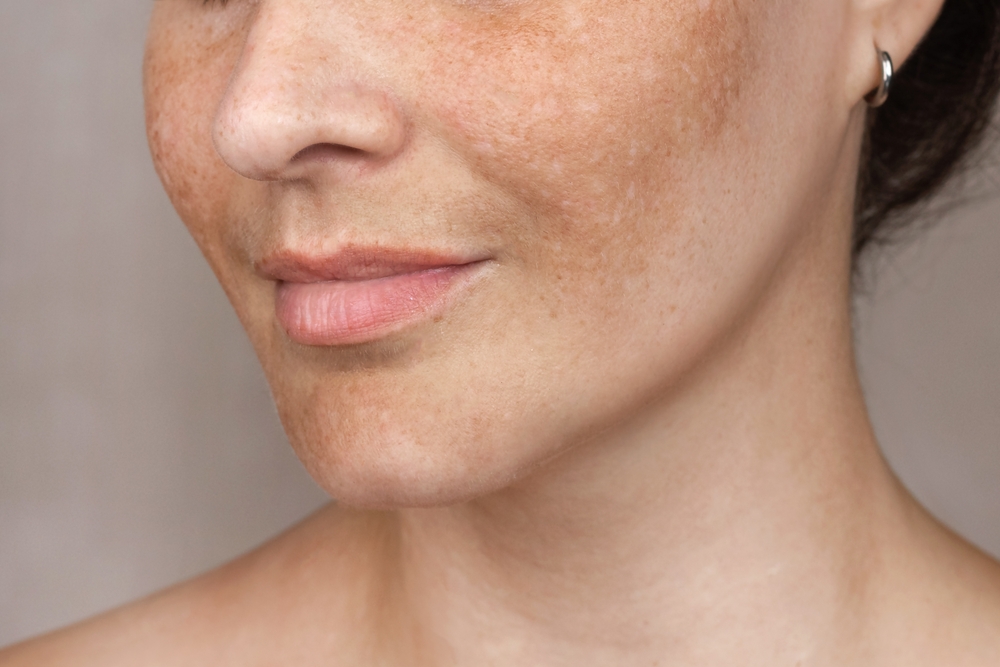
Age spots—those pesky, flat brown or black patches that seem to pop up on the skin as people age, especially in areas frequently exposed to the sun or outdoor activities—are often dismissed as just another sign of aging. But what if these can be prevented, not just by using sunscreen or undergoing expensive treatments, but by simply making sure you have enough intake of a certain “mineral”?
How Age Spots Develop

Commonly referred to as liver spots or solar lentigines, age spots are a type of hyperpigmentation that appears as flat, brown, gray, or black spots on the skin.
The mechanism behind age spots centers around the skin’s response to UV exposure. UV light accelerates the activity of melanocytes, the cells responsible for producing melanin. Over time, repeated exposure can lead to the accumulation of melanin in certain areas, manifesting as age spots. Interestingly, these spots can also appear on parts of the body that are less exposed to the sun, indicating that factors other than direct sunlight, such as genetic predisposition, might also play a role.
Scientific studies and dermatological research indicate that age spots are more likely to develop as people age, particularly after the age of 40. This is due to the skin becoming thinner and less able to recover from environmental damage. Additionally, certain skin types, especially fair skin, are more prone to developing these spots due to lower amounts of melanin, which naturally protects against UV radiation.
The More Common Ways People Deal with Age Spots
Prevention is key to managing age spots and preventing new ones. While some people opt for high-coverage makeup to conceal spots and create a more even complexion, others address age spots with topical treatments. Over-the-counter creams containing ingredients like hydroquinone, retinoids, vitamin C, or alpha hydroxy acids are popular for lightening spots by reducing melanin production or encouraging skin cell turnover.
Natural remedies, such as applying lemon juice, aloe vera, or apple cider vinegar, as well as professional procedures like chemical peels and laser therapy, are also other options for some.
However, there might be another way of preventing age spots that a lot of people are not privy to: ample selenium intake.
What Is Selenium?

Selenium is a trace mineral that plays a vital role in maintaining overall health. It acts as a powerful antioxidant, protecting cells from damage caused by free radicals and supporting a healthy immune system.
Found in foods like Brazil nuts, fish, eggs, whole grains, and certain meats, selenium is likewise a notably important nutrient for skin health.
The Role of Selenium in Skin Health
Selenium functions primarily as an antioxidant, protecting skin cells from oxidative stress caused by free radicals. Free radicals are unstable molecules that can damage cells, leading to premature aging and various skin disorders, including age spots. Selenium’s antioxidant properties help to neutralize these harmful molecules, thereby preventing cellular damage.
The importance of selenium extends beyond its antioxidant capabilities. It also contributes to the immune system’s proper functioning, which is crucial for maintaining healthy skin. A robust immune system helps the body to ward off infections and diseases that can affect skin health. Moreover, selenium is involved in the synthesis of glutathione peroxidase, an enzyme that enhances the body’s antioxidant defenses. This further aids in protecting the skin from environmental stressors like UV radiation and pollution, which can accelerate skin aging and the formation of age spots.
Studies have demonstrated that selenium, when combined with other antioxidants like vitamins E and C, can improve skin elasticity and reduce the damage caused by UV exposure. This synergistic effect not only helps in preventing age spots but also promotes a more youthful and radiant complexion. Research suggests that selenium can also play a role in preventing skin cancer, highlighting its protective properties against more severe skin conditions.
Link Between Selenium Deficiency and Age Spots
When the body lacks sufficient selenium, it struggles to produce enough glutathione peroxidase, an enzyme critical for combating oxidative stress in skin cells. This shortfall means that harmful free radicals accumulate more readily, which can accelerate the skin aging process and lead to the overproduction of melanin. Melanin is the pigment responsible for skin color, and its excessive localized production under the skin leads to the formation of age spots.
Several studies have underscored the connection between low selenium levels and increased oxidative stress, which not only predisposes individuals to age spots but also exacerbates other skin conditions that can manifest with age. For example, research has shown that areas of the skin with higher exposure to sunlight, and consequently more significant oxidative damage, are more likely to develop these pigment changes if the body’s selenium levels are not adequate.
Maintaining optimal selenium levels, therefore, is crucial for minimizing oxidative damage and protecting the skin from the formation of age spots. It can be particularly effective when combined with other preventive measures like sun protection and a diet rich in antioxidants. This holistic approach can help preserve the skin’s youthful appearance and delay the onset of age-related pigmentation changes.
The Sources of Selenium

Selenium is naturally found in a variety of foods, making it accessible through a balanced diet. Here are the primary sources of selenium to include in your meals:
1. Nuts and Seeds
The richest natural source of selenium, just one or two Brazil nuts can meet or exceed your daily requirements. And while lower in selenium than Brazil nuts, sunflower seeds still provide a moderate amount.
2. Seafood
Selenium is abundant in many types of seafood, such as tuna, salmon, halibut, sardines, and shrimp. These options also provide healthy omega-3 fatty acids, which further support skin and overall health.
3. Meat and Poultry
Lean meats like chicken, turkey, and beef are excellent sources of selenium. Organ meats, such as liver, are particularly rich in this essential mineral.
4. Dairy and Eggs
Dairy products like milk, cheese, and yogurt, along with eggs, are good sources of selenium and are easy to incorporate into your diet.
5. Whole Grains
Foods such as brown rice, whole wheat bread, barley, and oatmeal contain selenium, making them a great choice for plant-based diets.
6. Fruits and Vegetables
While fruits and vegetables are not typically high in selenium, some like spinach, broccoli, and mushrooms can provide small amounts. The selenium content in plant foods often depends on the selenium levels in the soil where they are grown.
7. Fortified Foods
Many processed foods, such as cereals and pasta, are fortified with selenium, providing an additional way to meet your daily requirements.
By incorporating a variety of these selenium-rich foods into your diet, you can maintain healthy levels of this essential mineral, which is critical for overall well-being and skin health.
But while getting selenium from food is preferable, supplements can help fill nutritional gaps. Selenium supplements are available in various forms, including selenomethionine and selenium-enriched yeast. It’s important to consult with a healthcare provider before starting any supplements, especially since excessive selenium intake can lead to toxicity. Symptoms of selenium toxicity include gastrointestinal upset, hair loss, fatigue, and mild nerve damage.
The Possible Side Effects and Safe Usage of Selenium
While selenium is essential for overall health and skin maintenance, consuming it in excessive amounts can lead to adverse effects. Maintaining the right balance is key to reaping its benefits while avoiding potential risks. Here’s what you need to know about the side effects and safe usage of selenium:
Safe Daily Intake
- The recommended daily intake of selenium for adults is 55 micrograms. This amount can typically be achieved through a balanced diet that includes selenium-rich foods. For pregnant and breastfeeding women, the recommended intake is slightly higher at 60–70 micrograms.
- The upper limit for selenium intake is 400 micrograms per day for adults. Consistently exceeding this amount may result in toxicity.
Possible Side Effects of Excess Selenium
- Skin and Hair Changes: Excessive selenium intake can lead to hair thinning or loss, as well as changes in the appearance and texture of nails and skin.
- Selenium Toxicity (Selenosis): Overconsumption of selenium can cause symptoms such as nausea, fatigue, irritability, hair loss, brittle nails, and a garlic-like odor on the breath. In severe cases, it can lead to more serious conditions, including neurological damage and heart problems.
- Gastrointestinal Distress: High doses may cause upset stomach, diarrhea, or abdominal discomfort.
By maintaining a balanced approach and staying within recommended intake levels, you can safely enjoy the benefits of selenium for your overall health and skin care without risking side effects. Always consult a healthcare professional if you have concerns about your selenium levels or supplementation.
Safeguarding Skin Health: The Essential Role of Selenium
In the battle against age spots and the broader challenge of maintaining skin health as we age, selenium emerges as a pivotal element. Its antioxidant properties play a critical role in shielding the skin from the oxidative stress that accelerates aging and pigment changes. By understanding the significance of selenium and combining it with other preventive measures, we can take proactive steps to preserve our skin’s youthfulness and vitality.
Ensuring adequate selenium intake through a balanced diet rich in selenium-rich foods—or supplements when necessary—provides the foundation for this strategy. Coupled with diligent sun protection, a thoughtful skincare regimen, and healthy lifestyle choices, these efforts form a comprehensive approach to preventing age spots. As we continue to unveil the nuances of how minerals like selenium influence our skin, the potential for more targeted and effective interventions grows, offering hope for longer-lasting skin health.
This holistic perspective on managing age spots and promoting skin health underscores the importance of both internal and external care. By integrating selenium into our daily routines and embracing protective practices, we empower ourselves to face the future with healthier, more resilient skin.
