
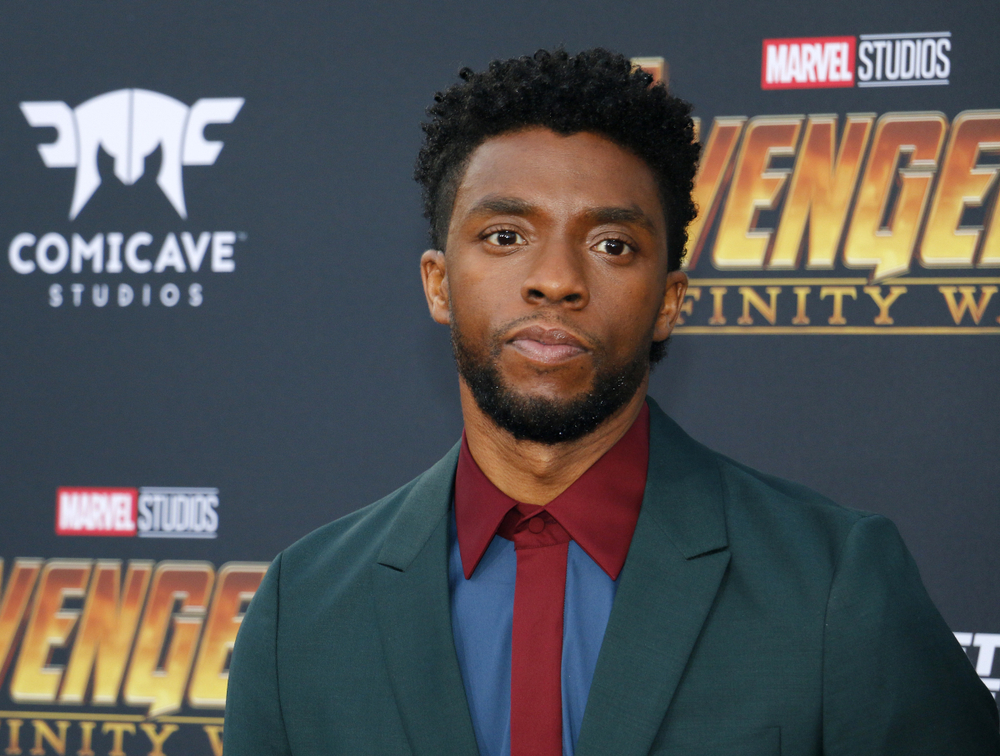
Chadwick Boseman’s death in August 2020 stunned the world. At 43 years old, the actor best known for bringing Marvel’s King T’Challa to life in Black Panther had been a symbol of power, grace, and resilience. Fans only learned of his private battle with colon cancer when his family announced his passing, revealing that Boseman had worked through multiple surgeries and chemotherapy sessions while filming some of his most iconic roles. His loss was both a heartbreak and a wake-up call a moment that forced the world to confront a quiet but growing epidemic.
Colon cancer has long been considered an older person’s disease. Yet Boseman’s diagnosis—and the wave of similar cases in people under 50 has dismantled that assumption. His death reignited a crucial public conversation about early detection, awareness, and the cultural stigma that often prevents people from discussing symptoms openly. Doctors across the country have since urged individuals, particularly young adults, to pay attention to their bodies and to never ignore warning signs, no matter how uncomfortable or taboo they might feel to talk about.
The Private Battle That Changed Public Awareness
Chadwick Boseman was diagnosed with stage III colon cancer in 2016. As the disease progressed to stage IV, he continued working on films such as Marshall, Da 5 Bloods, and Ma Rainey’s Black Bottom. His dedication, kept hidden from the public, reflected an extraordinary strength but also the tragic reality of how easily this illness can hide in plain sight.
When Boseman died, doctors and advocacy groups saw an immediate shift in public awareness. According to Dr. Kimmie Ng of the Dana-Farber Cancer Institute, his death became a catalyst for change: “It brought attention to something we in medicine had been observing quietly for years the rise of colorectal cancer among younger adults.”

In the past 25 years, cases among people in their 30s and 40s have increased by over 50%. This rise has baffled researchers, as many younger patients maintain healthy lifestyles, exercise regularly, and have no obvious risk factors.
Boseman’s story personalized a statistic that had long felt abstract. It put a famous face to a silent disease. His passing broke cultural and social barriers, particularly in Black communities where discussions about digestive and rectal health are often avoided due to embarrassment or stigma. The Colorectal Cancer Alliance noted that even superheroes can develop colorectal cancer and that silence can be deadly.
The First Warning Sign Doctors Say You Should Never Ignore

After Boseman’s death, physicians began using his story to highlight symptoms that people frequently overlook. One of the earliest and most common signs, according to Dr. Jen Caudle, is a “change in bowel habits.” That means noticing shifts in your normal routine perhaps constipation when you’re usually regular, or new bouts of diarrhea that persist for weeks.
Dr. Caudle explained that changes in the size or shape of stool are also critical clues. “Size and shapes matter when we talk about stools. If your stools become more narrow, or skinny, or a different shape, that’s something to take note of,” she said in a YouTube video that went viral shortly after Boseman’s passing. These symptoms may seem mundane, but they’re often the first whisper of a problem that could turn deadly if ignored.
Colon cancer can begin quietly, often showing no symptoms until it has advanced. Yet subtle shifts in the body can signal the need for medical attention. Blood in or on the stool, persistent abdominal pain, unexplained fatigue, or weight loss without reason are all warning signs. Doctors emphasize that embarrassment should never delay a check-up. “Don’t be shy about it,” said Dr. Douglas Benson, a colorectal surgeon from Denver. “Physicians talk about these issues every day. They’re not embarrassed, and neither should you be.”
Recognizing the Symptoms of Colon Cancer

Doctors stress that colon cancer symptoms can appear gradually and may vary from person to person. However, knowing what to look for and acting early can save lives. The American Cancer Society highlights several signs that should never be ignored:
- Persistent changes in bowel habits – including diarrhea, constipation, or a feeling that your bowel does not empty completely.
- Blood in or on your stool – whether bright red or darker in color.
- Abdominal pain or cramping – discomfort that doesn’t go away and cannot be explained by other causes.
- Unexplained weight loss – losing weight without a change in diet or exercise.
- Weakness or fatigue – feeling unusually tired may signal anemia caused by internal bleeding.
- Narrow or thin stools – a potential indicator of obstruction or tumor growth.
While these symptoms don’t always mean cancer, they are red flags worth discussing with a healthcare provider. Many patients report dismissing mild symptoms or attributing them to stress or diet changes delays that can make treatment more difficult later. Awareness, combined with timely screening, offers the best defense against this disease.
The Changing Face of Colon Cancer

In the United States, colon cancer is now the third most common cancer and the second leading cause of cancer-related deaths. More than 150,000 new cases are expected to be diagnosed this year alone, and approximately 53,000 people will die from the disease. These are not abstract numbers they are fathers, mothers, siblings, and friends, many of them far younger than the public realizes.
Researchers are still unraveling why younger people are increasingly at risk. For decades, rates of colorectal cancer were in decline due to improved screening and dietary awareness. Then, suddenly, the trend reversed. One theory points to lifestyle changes higher consumption of processed foods, reduced physical activity, and disruptions in gut microbiome health. But as Dr. Ng noted, many of her younger patients are healthy and active, which suggests other environmental or genetic factors may be at play. “It is the one question in cancer research that honestly keeps me up at night,” she admitted.
The mystery underscores why open dialogue and early screening are essential. The American Cancer Society has lowered its recommended screening age from 50 to 45. For those with a family history of the disease, doctors advise beginning screenings even earlier—ten years before the age a relative was diagnosed. Early detection can make all the difference: when caught in its earliest stages, colon cancer has a survival rate of around 90%.
Breaking the Stigma: Why Conversation Saves Lives

Colon cancer isn’t just a medical condition it’s also a social one. For generations, topics involving bowel movements or rectal examinations have been treated with discomfort or humor, making serious discussion difficult. That silence can cost lives. Dr. Benson emphasizes that stigma is one of the biggest barriers to early detection. “We can’t fix what we won’t talk about,” he said. “The key is awareness knowing your normal and noticing when something changes.”
Following Boseman’s death, social media became a powerful platform for breaking the taboo. Hashtags like #GetScreened and #ForChadwick encouraged people to share their own experiences, from first-time colonoscopies to survival stories. This movement has been especially impactful among Black communities, who statistically face higher rates of both diagnosis and mortality. According to data from the Centers for Disease Control and Prevention, Black patients experience the highest incidence and death rates from colorectal cancer in the United States.
Public figures and survivors have joined the effort to change the narrative. Television journalist Craig Melvin shared how his own brother’s diagnosis with colon cancer in his early 40s inspired him to advocate for screening. These personal accounts echo the lesson that Boseman’s life embodied courage, even in silence, can ignite collective action.
A Simple Step That Saves Lives

Early screening remains the strongest weapon against colon cancer. A colonoscopy can detect precancerous polyps before they develop into tumors. Yet many people avoid the procedure out of fear, inconvenience, or misunderstanding. In reality, the process is safe, routine, and often life-saving.
Dr. Yousuf Zafar from Duke Cancer Institute highlighted that many people under 50 are still unaware they’re eligible for screening. “We’ve seen a trend toward younger patients getting the disease, and it’s vital they know the guidelines have changed,” he said. The American Cancer Society recommends that adults at average risk begin screening at age 45, while the U.S. Preventive Services Task Force suggests the same. Those with inflammatory bowel diseases such as Crohn’s or ulcerative colitis, or those who have undergone radiation in the pelvic area, should be especially vigilant.
Screening can take several forms beyond colonoscopy, including stool tests that detect hidden blood or DNA markers. While these alternatives are less invasive, colonoscopy remains the gold standard because it allows doctors to both identify and remove precancerous growths in the same procedure. For many survivors, this early intervention has been the difference between life and death.
Jim Nauen, a Massachusetts father diagnosed with stage 3 colorectal cancer at 49, often wonders whether an earlier screening could have changed his prognosis. “Would it have been stage 1 instead of 3? Would it have been just a polyp that was caught and zapped?” he asked. His story mirrors that of many who now advocate for shifting policy and awareness to ensure others don’t face the same uncertainty.
Chadwick Boseman’s Enduring Legacy
Beyond statistics and medical guidelines, Chadwick Boseman’s story carries a moral and emotional weight that continues to ripple through popular culture. His choice to keep his illness private was deeply personal, yet his death became a public lesson in resilience and humanity. Photos resurfaced of Boseman visiting children with cancer at St. Jude Children’s Research Hospital while quietly battling the disease himself. His empathy, grace, and quiet strength made him not only a cinematic hero but a real-life one.
For young fans like 12-year-old Michael Mack Jr., who received a Black Panther prosthetic arm and was inspired by Boseman’s character, the actor represented something larger than life. “Just seeing him, seeing his face, playing a superhero, meant a lot to me and to a lot of Black people,” Mack said. His legacy is now intertwined with awareness a reminder that strength includes vulnerability, and that confronting illness with courage can be an act of heroism in itself.
The Colorectal Cancer Alliance captured this sentiment in a statement following his death: “Even superheroes can develop colorectal cancer.” The organization urged people to talk openly, get screened, and defeat the stigma that allows the disease to thrive in silence. In doing so, Boseman continues to lead not from the screen, but from memory.
From Grief to Action
Chadwick Boseman’s death was not in vain. It became a rallying cry for a generation that often feels invincible. His story bridges art, race, and medicine, reminding us that no one is immune to disease and that awareness is a form of empowerment. The doctors who spoke in the wake of his passing Caudle, Ng, Benson, Sanoff, and Zafar each echo the same plea: listen to your body. Notice what changes. Have the uncomfortable conversations. And get screened.
For those feeling hesitant, remember that medicine is not about shame but about survival. The stigma surrounding colon health is fading, replaced by stories of courage and recovery. In that shift lies the quiet continuation of Chadwick Boseman’s legacy a legacy that reminds us that heroism doesn’t always wear a mask or carry a shield. Sometimes it looks like calling your doctor, asking questions, and taking charge of your health.
In the end, the greatest tribute to Boseman is not only to celebrate his art but to carry forward the awareness his life and death have inspired. Every conversation, every check-up, every early screening is a step toward saving another life. And that, perhaps, is the truest act of honoring a hero.
