
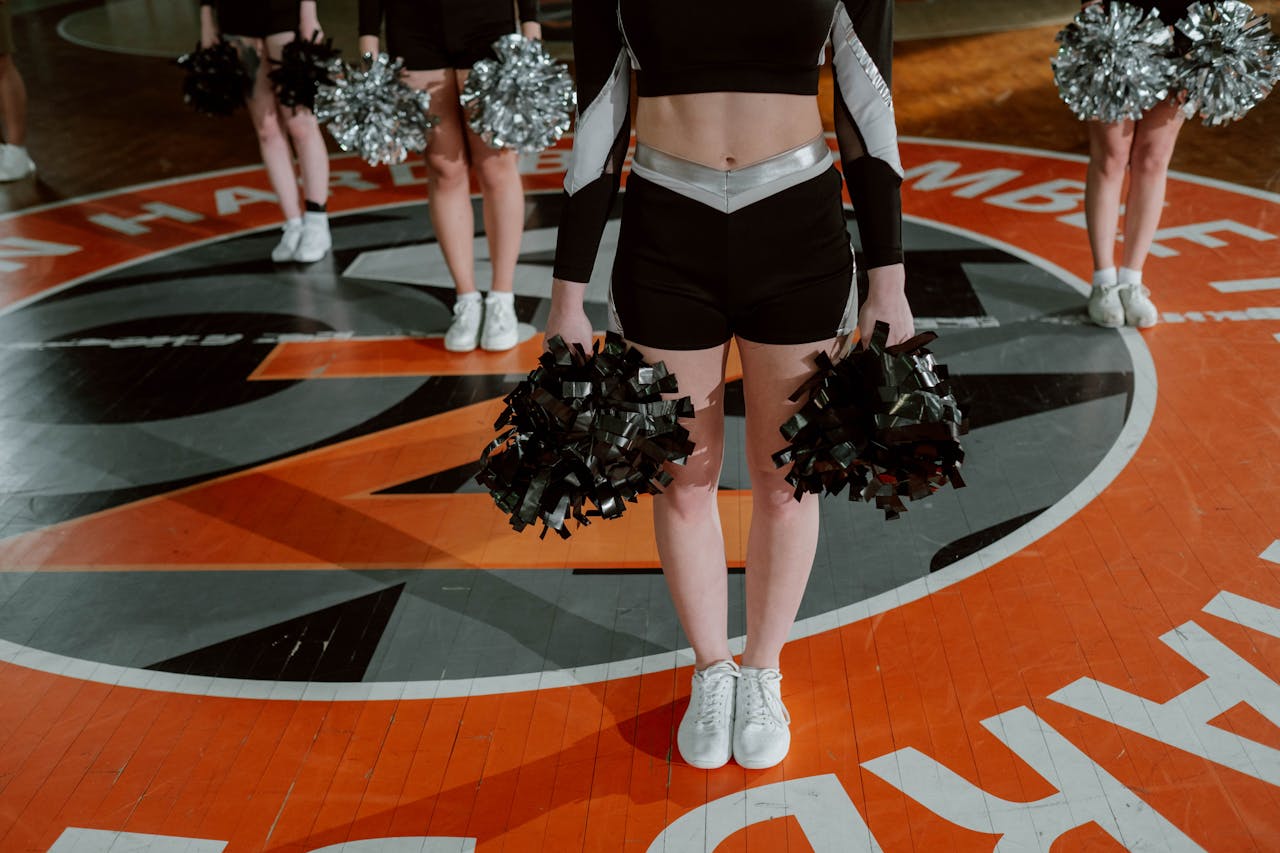
The story of a young cheerleader from Texas has captured hearts across the country. Seventeen year old student, a bright spirit known for her laughter and kindness, was critically injured after being shot at a weekend party. Reports confirm that the tragedy unfolded when a dispute erupted outside a home, ending in gunfire that struck the teen. She was rushed to a local hospital where doctors fought to save her life, but the injuries proved too severe, and within hours the community found itself grieving a young life taken far too soon.
As news of her condition spread, the hospital filled with friends, classmates, and teammates who came to say their goodbyes. Videos circulating online showed hundreds of students forming a silent corridor as her hospital bed was wheeled toward the operating room. Nurses, doctors, and family members lined the hallway in silence, honoring her final journey toward organ donation, an act that turned heartbreak into a gesture of love and courage.
The story quickly went viral, prompting an outpouring of sympathy from across the nation. Messages of prayer and support flooded social media, while local communities organized candlelight vigils to honor her memory. What began as a local tragedy grew into a reflection of how communities can unite in compassion and resilience even in moments of devastating loss.
An Outpouring of Love: The Final Goodbye
As news spread of her condition, hundreds of students gathered in the hospital hallways to say goodbye. Clad in their school colors and cheer uniforms, they formed a human corridor of support. This act of solidarity was not just about mourning a friend; it was a powerful example of emotional unity. Shared grief, when expressed collectively, can foster healing among those who feel powerless in the face of tragedy.
Psychologists explain that communal rituals like these serve an important role in coping with trauma. According to the American Psychological Association, public acts of mourning help individuals process grief and feel less isolated in their pain. In moments when loss feels unbearable, seeing others who share that pain can be a powerful balm for emotional recovery.
Many students expressed that walking through that hallway gave them a sense of closure and connection. Teachers, parents, and first responders were seen comforting one another, understanding that loss ripples through every layer of a community. Grief, when shared openly, can help rebuild emotional stability. It transforms pain into a shared narrative that says, “You are not alone.”
The emotional response to her passing also reflects how compassion can transform tragedy into strength. Communities often find resilience through remembrance, helping one another navigate sorrow and find hope through acts of kindness. In the weeks following her death, the cheerleader’s story inspired blood drives, mental health discussions, and increased awareness about organ donation, each action serving as a tribute to her enduring impact.
From Tragedy to Life: The Gift of Organ Donation
As her parents faced the unthinkable decision of letting their daughter go, they chose a path of generosity and hope. They agreed to donate her organs, turning heartbreak into healing for others. According to Donate Life America, one organ donor can save up to eight lives and enhance more than seventy through tissue and cornea donation. Her family’s decision meant that several people, some of whom had been waiting years for transplants, would now have a second chance at life.
Hospital staff described the organ donation walk as both heartbreaking and inspiring. Medical professionals bowed their heads in silence while students wept and whispered words of farewell. The moment captured what it means to give selflessly, to find purpose even in unbearable pain.

Her organs were matched with recipients across the region. For those families, her gift was nothing short of miraculous. Organ donation is one of the most powerful ways to turn tragedy into renewal. It bridges lives, creating a legacy that continues long after death. Her story has since been used by donation organizations to raise awareness about the life saving power of registering as a donor.
In interviews, her parents shared that knowing their daughter saved others gave them comfort. While nothing could fill the void of her loss, the act of donation brought meaning to her passing. Their choice became a light of hope for countless others who may someday face the same decision.
Emotional Healing and the Human Spirit
Grief is not linear, and healing takes time. Yet stories like this show that love and connection can grow even out of immense sorrow. Emotional healing after traumatic loss often begins when individuals allow themselves to express pain rather than suppress it. According to the National Institute of Mental Health, grief is a natural and necessary emotional process that can lead to personal growth when supported by community and counseling.
For the students and teachers who lost a classmate, grief counseling was made available at the school. Mental health professionals emphasized the importance of allowing young people to talk openly about their emotions. Studies have shown that early intervention after trauma can reduce long term anxiety, depression, and post traumatic stress. Emotional support networks, whether through peers, family, or professionals, can help survivors navigate complex feelings of sadness, anger, and confusion.

Community healing also stems from shared rituals like memorials, prayer circles, and acts of service. These practices give structure to loss, helping individuals find purpose in remembrance. Many of the students began organizing events in her name, channeling grief into action. This transformation of pain into positive purpose is one of the most powerful aspects of human resilience.
The story of this young cheerleader reminds us that even in tragedy, the human spirit seeks connection. The compassion displayed by her classmates and community not only honored her memory but also showed the healing power of collective empathy.
The Medical and Ethical Importance of Organ Donation
Organ donation is both a medical achievement and an ethical act of humanity. It involves the surgical removal of organs or tissues from one person and their transplantation into another, restoring essential body functions. In the United States, more than 100000 people are currently waiting for an organ transplant, according to the Health Resources and Services Administration (HRSA). Every day, approximately seventeen people die while waiting for a donor.
Medically, the success of organ transplants has grown immensely over the past few decades. Advances in surgical techniques and immunosuppressive medications have dramatically improved survival rates. Ethically, organ donation raises questions about consent, equity, and the definition of brain death. In this case, her parents’ consent was given after doctors confirmed that no brain activity remained, a medical standard recognized worldwide.

Organizations like the United Network for Organ Sharing (UNOS) ensure that organs are distributed fairly based on medical urgency, compatibility, and geographic location. This ethical framework ensures that donations are used responsibly and that no life is prioritized over another for non medical reasons.
Raising awareness about organ donation can help dispel misconceptions. Some people fear that registering as a donor might affect their medical care, but medical professionals affirm that lifesaving treatment is always the priority. By pledging to be donors, individuals affirm their belief in the continuity of life and compassion beyond their own.
How You Can Make a Difference
You do not need to wait for tragedy to make an impact. Signing up as an organ donor is a simple yet powerful way to save lives. In the United States, you can register online through state donor registries or when renewing your driver’s license. Donate Life America provides resources for individuals who want to learn more about the process and the impact of their choice.
Beyond organ donation, emotional support for those experiencing loss is equally vital. Reaching out to grieving friends, attending community memorials, or participating in local mental health initiatives can all contribute to healing. Kindness, even in small gestures, has measurable effects on emotional recovery for both giver and receiver.
Education also plays a key role. Schools can introduce programs that discuss emotional resilience, peer support, and the science of donation. Normalizing conversations about death, grief, and generosity can help dismantle taboos that often prevent people from registering as donors or seeking help when in pain.
Every person has the power to inspire healing. Whether through donating life saving organs or offering emotional support, your actions create ripples of compassion that strengthen communities and remind others that even in darkness, hope can be found.

A Legacy That Lives Beyond Loss
The story of this young cheerleader is one of sorrow, courage, and compassion. Her life ended too soon, yet through organ donation, she continues to live on in others. Her family’s choice turned grief into generosity, and her friends’ tribute turned heartbreak into unity. Together, they created a message that transcends tragedy: love has the power to heal.
As her classmates return to school and the community moves forward, her memory remains a symbol of hope. The lessons drawn from her story about kindness, emotional strength, and the gift of life will endure. By remembering her, we remember the beauty of giving, the necessity of healing, and the unbreakable strength of the human spirit.
Her legacy continues to inspire conversations about empathy and awareness. Many people who heard her story have since registered as organ donors or reached out to support families experiencing loss. Her journey reminds us that compassion is not limited by time or circumstance; it grows each time we choose to honor another life through kindness and understanding.
