
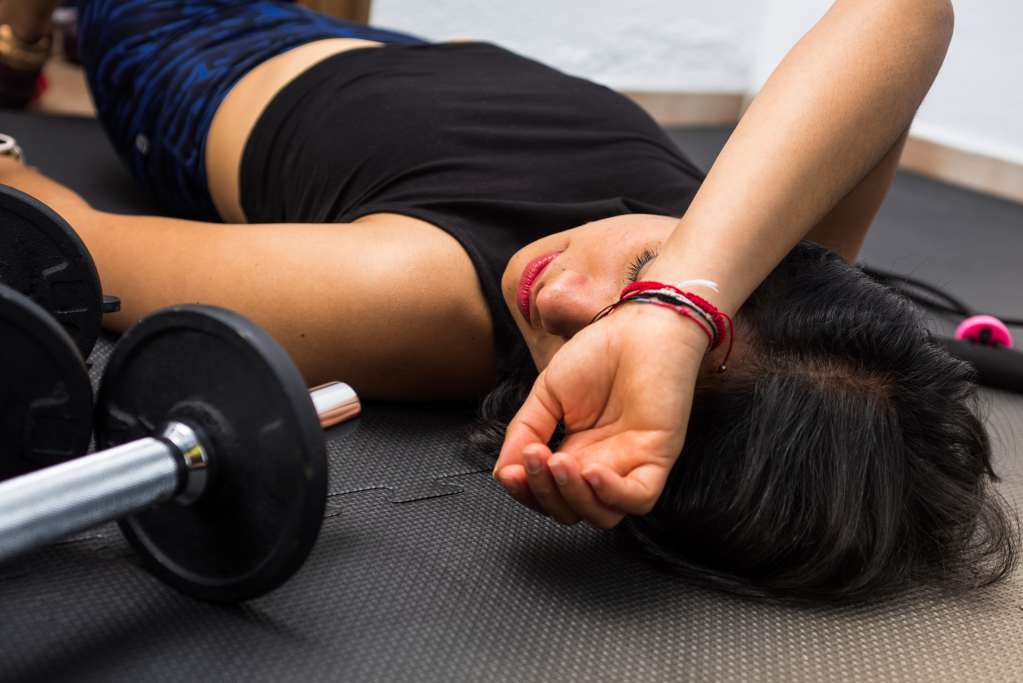
For Victoria Thomas, a regular bootcamp session was nothing new. At 41, she was fit, active, and known for throwing herself into high-intensity workouts. But on this day, something felt off. She remembers turning to a friend mid-class and saying she felt drained, like all her energy had been pulled from her body. There was a hint of dizziness, but no dramatic warning—no chest pain, no collapse from exhaustion. Just moments later, she crumpled to the floor without warning.
In that instant, her heart had stopped. Victoria was in cardiac arrest, a condition that often claims lives within minutes. As her classmates gathered in shock, gym staff jumped into action, starting CPR and calling for emergency help. Paramedics arrived quickly and worked for 17 minutes to revive her. It was during this window—when her body was clinically dead—that Victoria experienced something she will never forget.
While many who survive cardiac arrest describe drifting toward a peaceful light or feeling embraced by warmth, Victoria’s experience was entirely different. “It went black, and there was nothing,” she recalled. Then, she found herself hovering near the gym ceiling, looking down at her own body. Strangely, her first thought was that her legs looked bigger than usual. Later, she learned they were swollen—a detail captured in a photo taken just minutes before she collapsed.

What Really Happens in Cardiac Arrest
Cardiac arrest is a sudden and severe malfunction of the heart’s electrical system. Unlike a heart attack—which is caused by a blocked artery—cardiac arrest stops the heart’s pumping action completely. Without immediate medical intervention, oxygen-starved brain cells begin to die within minutes, and survival becomes unlikely. This is why CPR and the use of a defibrillator are so critical in the first few moments after collapse.
In Victoria’s case, the fast reaction of those around her kept blood and oxygen flowing just enough to buy time until paramedics could restart her heart5 Tips On How To Survive A Heart Attack. While movies often depict dramatic gasps back to life, the reality is more complex. The defibrillator delivers a shock to reset the heart’s rhythm, but recovery is far from guaranteed. For every person like Victoria who survives, there are many more whose hearts never restart.
What made Victoria’s case especially striking was how “out of the blue” it appeared. She had no known history of heart disease, no previous fainting spells, and no warning signs beyond the fatigue and dizziness that morning. Her story serves as a reminder that cardiac arrest can happen to anyone—young or old, active or sedentary. The more people who know CPR and can operate an AED, the greater the chances of survival in these situations.
The Genetic Mystery Behind Her Collapse
After her initial recovery, doctors began the long process of uncovering why an otherwise healthy, active woman would suffer repeated cardiac arrests. Victoria’s defibrillator—a device implanted in her chest—kept her alive when her heart stopped again in the following months, including once during a netball game. But it was clear that something deeper was wrong.The answer came during her pregnancy in 2021. At 24 weeks, specialists ran extensive genetic testing and discovered that Victoria had Danon disease, a condition so rare that fewer than a million people worldwide are thought to have it. Caused by a mutation in the LAMP2 gene, Danon disease disrupts the body’s cellular “clean-up” system, allowing waste to build up in cells, including those in the heart muscle. This buildup can cause heart failure at a young age.
The diagnosis came as a shock. No one in Victoria’s family had a history of heart problems. For women, the average life expectancy with Danon disease is just 24 years—well below Victoria’s age at the time. That she had lived this long without a diagnosis was unusual, but the condition explained her sudden collapse and ongoing heart struggles.

Facing End-Stage Heart Failur
By April 2022, her heart function had dropped to 11%, a level considered end-stage heart failure. This meant her heart could no longer pump enough blood to sustain her body. Doctors told her she likely had only months to live without a transplant. She was placed on the urgent donor list and confined to the hospital.
Her days revolved around short, precious visits with her toddler son, Tommy. She remembers counting the hours until her sisters brought him in, cherishing every cuddle while wondering if each one might be the last. Twice, doctors thought they had found a matching heart, but both times the organs were ruled out at the last minute.
Emotionally, the rollercoaster was exhausting. Hope surged with each potential match, only to crash with the news that the transplant could not proceed. “I had given up all hope,” she said. “I didn’t think they would ever find a heart in time.”

The Power of Quick Action in Emergencies
Victoria’s survival depended on the speed and skill of those who acted immediately when she collapsed. This is a powerful example of why bystander CPR and quick access to a defibrillator can make the difference between life and death. In the UK alone, more than 30,000 cardiac arrests happen outside hospitals every year, and survival rates hover around 1 in 10.
The key is time. Brain damage begins within 4–6 minutes without oxygen, and irreversible damage or death can occur soon after. Immediate chest compressions keep blood moving, buying vital minutes until emergency crews arrive. Automated external defibrillators (AEDs) are designed for public use, with simple instructions and voice prompts to guide even untrained users.
For gyms, community centers, and workplaces, having an AED on site is critical. Victoria’s case proves that even in an unexpected setting—during an exercise class—being prepared can save a life.

Life After a Heart Transplant
In April 2023, the call finally came. A suitable donor heart had been found. The transplant surgery at Queen Elizabeth Hospital in Birmingham was a success, and by May, Victoria was home. She describes the feeling of returning to her own bed after months in the hospital as surreal.
Her recovery was swift and determined. Today, she plays netball four times a week and has added volleyball and basketball to her schedule. She will soon compete in the World Transplant Games in Germany, an event that celebrates the gift of life made possible by organ donation.
Victoria remains deeply grateful to her donor and their family. “I feel like I’ve been given a second chance at life, and to be a mum. It’s the greatest gift I could have asked for.”

Tips to Protect Your Heart Health
- Learn CPR and AED use — Every minute matters in cardiac arrest.
- Pay attention to warning signs — Unexplained fatigue, dizziness, or fainting should be taken seriously.
- Get regular check-ups — Especially if you have a family history of heart disease.
- Adopt heart-healthy habits — Eat a balanced diet rich in fruits, vegetables, lean proteins, and healthy fats.
- Stay active — Regular exercise strengthens the heart, but listen to your body and rest when needed.
- Manage stress — Chronic stress can impact heart health; try meditation, yoga, or gentle stretching.
- Know your genetic risks — Consider genetic testing if unexplained symptoms arise.

A Second Chance Worth Cherishing
Victoria’s story is a reminder that life can change in a heartbeat—literally. From the brink of death to competing as an athlete once again, her journey underscores the importance of quick action, persistence in the face of medical challenges, and the profound generosity of organ donors.
Every heartbeat is a gift. By caring for our hearts, learning life-saving skills, and supporting organ donation, we not only protect ourselves but also have the power to save someone else’s future.
