

Heart attacks don’t come with a warning sign that guarantees your safety. Even if you feel you’re in excellent shape or exercise regularly, the reality is that heart attacks can strike unexpectedly. In fact, every 34 seconds, someone in the United States experiences a heart attack. The symptoms can often be subtle or misleading, such as back pain, especially in women, making it harder to recognize the danger.
Taking quick and decisive action during those critical moments can be the difference between life and death. Over the last decade, improved response times have led to a 40% reduction in deaths from heart attacks. However, there’s still a long way to go. Tragically, about 120,000 people every year don’t make it to the hospital because they ignore symptoms or delay seeking help. Recognizing the signs and knowing what to do immediately can save lives—possibly even your own.
1. Know the Symptoms
A heart attack occurs when blood flow to the heart is blocked, cutting off oxygen to the heart muscle. While the “classic” symptoms—chest pain, discomfort in the left arm, back pain, shoulder or jaw pain, and shortness of breath—are widely known, they’re not the full picture. Additional signs can include stomach pain, sweating, nausea, or vomiting.
However, as many as 33% of heart attacks present without these typical symptoms. Women, older adults, and individuals with diabetes are more likely to experience “atypical” signs, such as confusion, labored breathing, dizziness, or fainting. For the elderly in particular, these subtle symptoms can sometimes mask the severity of the situation.
Heart attack symptoms can also be sporadic, appearing gradually over days or even weeks. Alarmingly, one study found that many heart attack victims had visited their doctor within a week before the event, only for the symptoms to go unrecognized. This highlights the importance of not ignoring unusual or persistent symptoms. Paying attention to your body’s signals and seeking help promptly can make all the difference.
2. Call 911 (or Your Local Emergency Number)
Getting to the emergency room within the first hour of heart attack symptoms is critical. Early treatment significantly improves your chances of survival and reduces the extent of heart muscle damage, which directly impacts your quality of life after recovery.
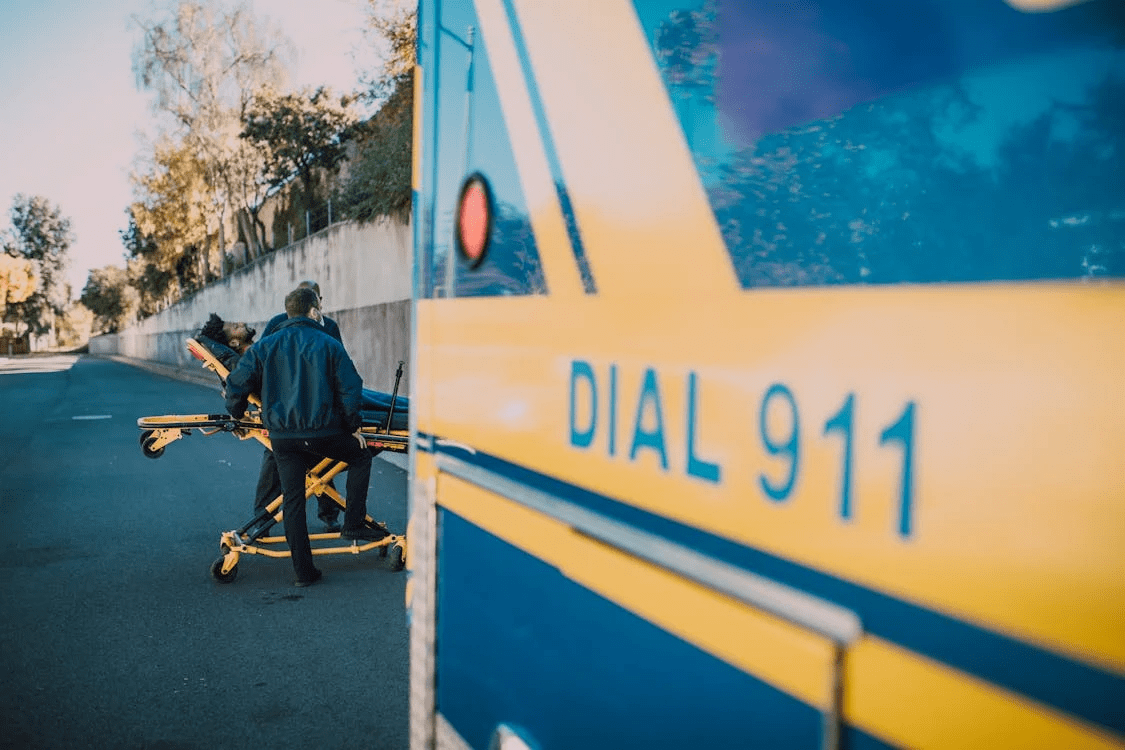
If you suspect you’re having a heart attack, don’t hesitate—call 911 or your local emergency number immediately. Time is of the essence, and the faster paramedics arrive, the sooner life-saving interventions can begin. If you’re not able to make the call yourself, inform someone nearby—a spouse, friend, or neighbor—that you’re “not feeling right” and suspect it might be your heart. Often, it’s those around you who can take swift action when you’re unable to.
Remember, delaying the decision to seek help can have life-threatening consequences. Acting quickly could save your life.
3. Take Immediate Action
In the moments before emergency responders arrive, taking the right steps can significantly improve your chances of survival and reduce damage to your heart. One of the most effective measures is to chew and swallow a regular, uncoated 325mg aspirin. According to the American Heart Association, this helps thin the blood and slows the clotting process that often triggers heart attacks. While it won’t stop the attack entirely, it can minimize harm to the heart muscle.
If aspirin isn’t an option, natural anticoagulants like parsley, pineapple, papaya, willow bark, or garlic may offer some benefit, but these should only be used as a secondary measure.
Additionally, make sure your front door is unlocked so emergency services can reach you quickly upon arrival. And whatever you do, do not try to drive yourself to the hospital—it’s dangerous and delays professional care. Stay as calm as possible, conserve your energy, and prepare for medical assistance. Taking these immediate actions can make a life-saving difference.
4. Be Ready
When emergency responders arrive, being prepared with crucial information can help them provide the best care quickly. If you take medications, have a list ready to share with the paramedics, especially if you’re on drugs like Viagra. This is vital, as certain medications, like nitroglycerin, can cause dangerous interactions when combined with others.
For women, it’s particularly important to advocate for yourself. If the symptoms aren’t immediately recognized, don’t hesitate to say, “I think I’m having a heart attack.” This can help paramedics prioritize the right treatment and avoid potential delays in care.
Preparation and clear communication during these critical moments can streamline emergency response and ensure you receive the most effective interventions.

5. Be Assertive
In an emergency, speaking up about your concerns can save valuable time and ensure you receive the care you need. Studies have shown that individuals who clearly express their suspicion of a heart attack are more likely to receive prompt attention from both emergency medical technicians (EMTs) and hospital staff.
This is not the time to be shy, quiet, or in denial. Clearly articulate your symptoms and your concerns to make sure your condition is taken seriously. Your assertiveness can help medical professionals focus on the urgency of your situation and initiate critical interventions without delay.
Being your own advocate in these moments can make all the difference in how quickly you receive life-saving care.
Every Second Counts
Surviving a heart attack is not just about luck—it’s about preparation, awareness, and swift action. Knowing the symptoms, whether they’re the classic signs or atypical ones, ensures you can recognize the danger early. Calling emergency services immediately rather than hesitating or trying to drive yourself to the hospital could mean the difference between life and death. Taking immediate steps, like chewing aspirin and ensuring first responders have access to your home, can reduce the severity of the attack and speed up care.
Advocating for yourself is equally important. Don’t let fear, denial, or self-doubt stop you from clearly expressing your concerns to medical professionals. Studies show that persistence and clarity can lead to faster diagnosis and treatment, which are critical in saving heart muscle and improving long-term outcomes.
Heart attacks are a leading cause of death, but they don’t have to be a death sentence. Advances in medicine and growing awareness have already reduced fatalities dramatically, but your actions during those vital minutes can make all the difference. By staying informed, prepared, and assertive, you equip yourself and your loved ones with the tools to face a heart attack with confidence and improve the chances of survival and recovery. Your life, and the quality of it, depends on these crucial steps—so don’t wait until it’s too late to be ready.
