
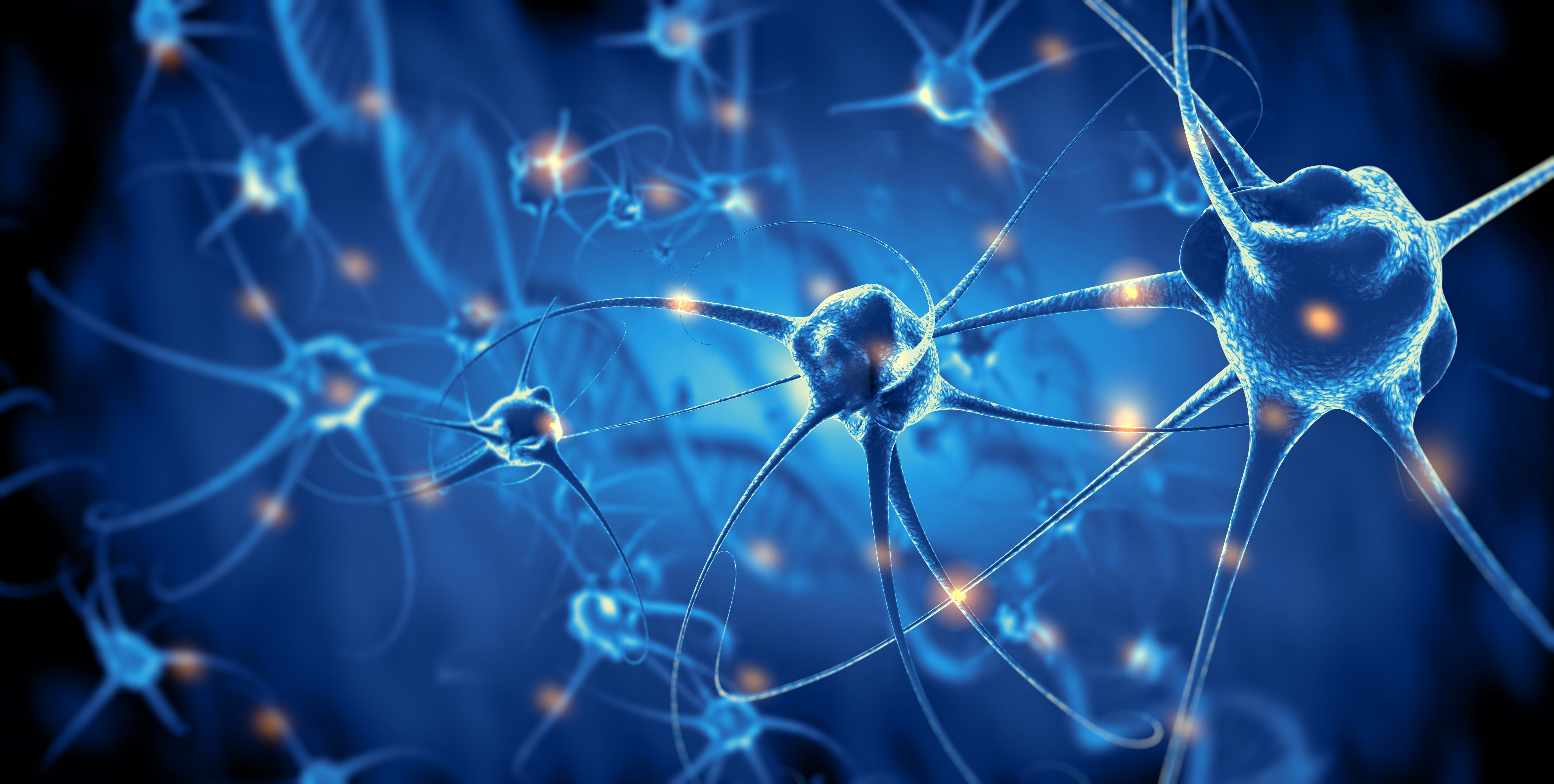
Imagine if paralysis from spinal cord injury (SCI) wasn’t forever. That’s what Brazilian scientists led by Dr. Tatiana Coelho de Sampaio at UFRJ are striving toward with polylaminin, a polymeric form of the protein laminin derived in part from placental sources. Their work, stretching over 25 years, recently made headlines when preliminary trials in humans showed unexpected gains in motor control.

That said, this is still very much an experimental therapy. Let’s walk through what polylaminin is, what the evidence shows so far, the risks and unknowns, and what could come next.
What Is Polylaminin and Why Does It Matter?
Polylaminin is a laboratory developed form of laminin that scientists have restructured into a polymeric mesh with properties different from the single laminin molecules present in the body. Laminin itself is a protein that helps cells attach and grow within the extracellular matrix, but after a spinal injury its natural levels in the central nervous system are insufficient for large scale repair. By chemically modifying laminin into a stable polymer, researchers created a material that can mimic the architecture of the developing nervous system and provide a supportive environment for injured tissue. Unlike many candidate therapies that rely on external devices or transplanted cells, polylaminin is designed to be delivered as a biological material that integrates directly into the injured area.

The significance of this compound lies not only in its regenerative properties but also in its adaptability. Because it forms a flexible three dimensional scaffold, it can serve as a foundation for different therapeutic strategies such as pairing with growth factors or acting as a substrate for stem cell attachment. Its structure is stable at body temperature, which increases its potential for clinical use. Early laboratory research has shown that this polymer can influence the way neurons organize and extend their processes, offering a platform for reconnecting disrupted pathways.
Polylaminin matters because it represents an attempt to create a drug that functions more like a biological environment than a chemical compound. Rather than targeting symptoms, it aims to alter the structural conditions of the injury site itself. This approach has drawn attention as a possible shift in how spinal cord injuries might one day be managed, blending the concepts of regenerative medicine, biomaterials, and neurobiology into a single therapeutic candidate.
What the Experimental & Clinical Evidence Shows So Far
Research on polylaminin has gradually moved from basic science to real world testing, offering different layers of evidence across animal models and early human use. In preclinical work, scientists have consistently observed that this polymer creates conditions for meaningful neurological recovery when applied to injured spinal tissue. In rodent experiments, its application after spinal cord trauma led to improvements in motor coordination compared to animals treated with conventional laminin, suggesting that the polymerized form offers distinct biological advantages. Structural studies have shown that the material forms a supportive lattice that cells can enter and interact with, which is believed to make it more effective than isolated protein molecules in supporting regrowth.
Moving beyond rodents, investigators extended testing to canine patients with chronic spinal cord injuries. In one prospective study, the treatment was combined with additional supportive factors and monitored over six months. The therapy was found to be safe and was associated with measurable improvements in gait and coordinated movement, which are particularly valuable endpoints in veterinary neurology. Results from this study were reported in Frontiers in Veterinary Science and demonstrated that polylaminin could be tolerated in a large animal model with naturally occurring disease, a critical step toward clinical translation.
Initial human experiences have been documented in a pilot open label study that enrolled individuals with acute traumatic spinal cord injury. Participants received direct application of the polymer to the injured region shortly after trauma. While the sample size was small, several patients recovered voluntary motor control below the level of injury, a finding rarely seen in cases considered complete lesions. These outcomes were presented in a preliminary report on medRxiv. Reports from UFRJ have echoed these results, noting that some patients in the program regained movement capabilities that were previously absent. Although the study design does not yet allow firm conclusions, these results have generated international attention and set the stage for more rigorous trials.
How Polylaminin Might Work
Polylaminin functions as a permissive environment that supports neuronal survival and extension within damaged spinal tissue. In laboratory studies, neurons exposed to this polymer attach more readily and extend longer processes compared to controls, indicating that the polymer supplies both structural and biochemical cues similar to those present in developing nervous systems.
Evidence also suggests that polylaminin moderates the activity of glial cells, which are central to scarring and repair. By limiting inhibitory scar formation, the compound may improve the conditions needed for axons to grow.

Another key feature is how the polymer integrates with host tissue. Its mesh like configuration is stable at body temperature and resists rapid breakdown, which provides regenerating axons the time needed to bridge the lesion. Because laminin is a natural component of the extracellular matrix, the polymeric form is expected to be biocompatible and less likely to trigger severe immune rejection.
Challenges remain before clinical translation. The adult spinal cord contains molecules that actively suppress regrowth, which may require additional therapies in combination with polylaminin. Delivery is another difficulty since the compound must be applied directly at the injury without adding further trauma. Unresolved issues include the ideal dose, timing, and whether repeated administration is beneficial.
Beyond the biological questions, there are manufacturing and regulatory hurdles. Producing the material under strict standards and ensuring consistent quality will require substantial resources. Analysts in Brazilian biotechnology emphasize that reproducibility and oversight will be critical if the therapy is to move beyond small experimental studies.
What Remains Speculative
Claims that polylaminin can fully restore mobility or serve as a universal treatment are not yet justified. The small sample size of human trials, the absence of control groups, and the focus on acute injuries leave many questions unanswered.

Long term safety is also unclear, as the durability of the material and its effects over years have not been thoroughly studied. Assertions that it will work equally well for chronic injuries or across different patient populations remain speculative until validated in larger, peer reviewed trials. Media reports describing dramatic recoveries should therefore be interpreted cautiously until stronger evidence is available.
Future Directions for Polylaminin
The next phase for polylaminin involves moving from pilot observations to well designed multicenter clinical trials. These studies will need to clarify efficacy, establish standardized protocols for dosing and delivery, and monitor long term outcomes.

Regulatory review by Brazil’s ANVISA will determine whether broader access can begin within the country, while international collaborations may extend testing to other regions. Research teams are also exploring whether polylaminin could be combined with stem cell therapies or neurotrophic factors to improve results. The success of these next steps will decide whether the compound becomes a viable therapy or remains an experimental approach.
What This Means for People with Spinal Cord Injury (SCI)
For people living with spinal cord injuries, the emergence of polylaminin represents a source of hope that goes beyond incremental advances. Current rehabilitation strategies often focus on maximizing remaining function and preventing complications rather than repairing the damaged tissue itself. The possibility of a therapy that could restore movement changes the conversation from compensation to regeneration. Patients and families following these developments may see in polylaminin a chance to imagine outcomes that were previously thought impossible.
At the same time, expectations must be carefully managed. Because the most promising data so far come from acute injuries treated shortly after trauma, individuals with long standing injuries should understand that results may differ significantly. Polylaminin is not yet a proven therapy available to the public and will require further trials before it can be considered reliable or safe for widespread use. Rehabilitation, physical therapy, and supportive care remain the established pillars of recovery, and they will continue to be essential even if new biological therapies are introduced. Public understanding of these boundaries is critical to balance hope with realistic timelines for medical progress.

Healing Beyond Injury
Spinal cord injury is one of the toughest frontiers in medicine. Polylaminin reflects decades of dedication, small steps, and cautious optimism. Whether or not it proves to be the therapy we’ve been waiting for, it pushes the boundary of what’s possible in nervous system repair.
Healing sometimes happens in the space between what we imagine today and what science makes real tomorrow.
