
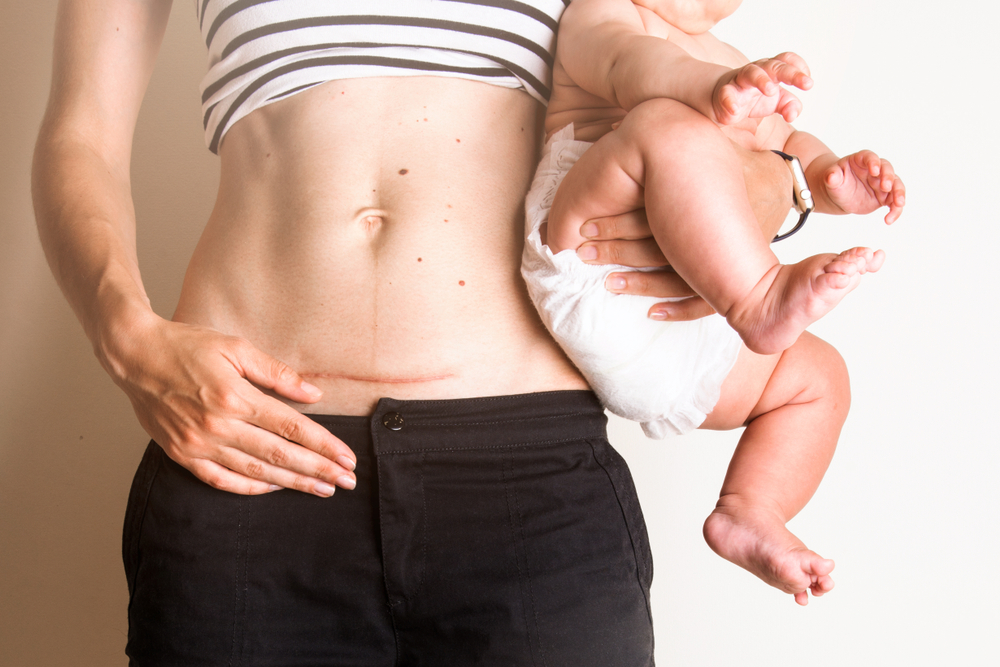
In the heart of Río Talea, a secluded mountain village in southern Mexico, Inés Ramírez Pérez’s life took a turn that few could imagine. This isolated community, without access to modern medical care, posed immense challenges for its residents, particularly pregnant women. For Inés, a mother determined to protect her unborn child, these challenges culminated in a moment of unimaginable bravery.
Her story transcends personal survival, shedding light on the stark disparities in healthcare access in rural Mexico. It is a narrative of strength, resilience, and the lengths a mother will go to when no other options exist.
A Village Cut Off from the World
Inés Ramírez Pérez lived in Río Talea, a remote village nestled in the mountains of Oaxaca, Mexico. Her home lacked basic amenities such as electricity, running water, and sanitation. The nearest medical clinic was over 80 kilometers away, accessible only by rugged, mountainous paths. For women in need of maternal care, this isolation often meant facing childbirth without professional assistance.
Rural areas like Río Talea highlight a broader crisis in Mexico’s healthcare system. In 2021, maternal deaths in states such as Oaxaca, Guerrero, and Chiapas made up over 13% of the national total, with obstetric hemorrhage as a leading cause. For women in these regions, timely medical care is a luxury, not a guarantee.
Inés knew this reality all too well. A previous pregnancy had ended in heartbreak due to obstructed labor, a complication that can be fatal without intervention. Her village’s lack of healthcare infrastructure offered no alternatives during her subsequent pregnancy. When labor began, and no help was available, Inés had to face an impossible choice.
A Tragic Past That Shaped Her Decision
Inés Ramírez Pérez’s resolve during her perilous situation was deeply influenced by a previous personal tragedy. Three years earlier, she had endured the heart-wrenching loss of a child due to obstructed labor—a complication where the baby cannot progress through the birth canal despite strong uterine contractions. This experience left an indelible mark on her, instilling a profound fear of losing another child under similar circumstances.
Obstructed labor remains a significant contributor to maternal and neonatal mortality, particularly in regions with limited access to emergency obstetric care. A study published in BMC Public Health highlights that obstructed labor and uterine rupture are major contributors to adverse maternal outcomes, leading to complications such as infection, hysterectomy, and maternal death.
In rural areas of Mexico, where healthcare infrastructure is often lacking, the risks associated with such complications are exacerbated.
Reflecting on her ordeal, Inés stated, “I couldn’t stand the pain anymore. And if my baby was going to die, then I decided I would have to die, too.”
A Daring Act of Survival
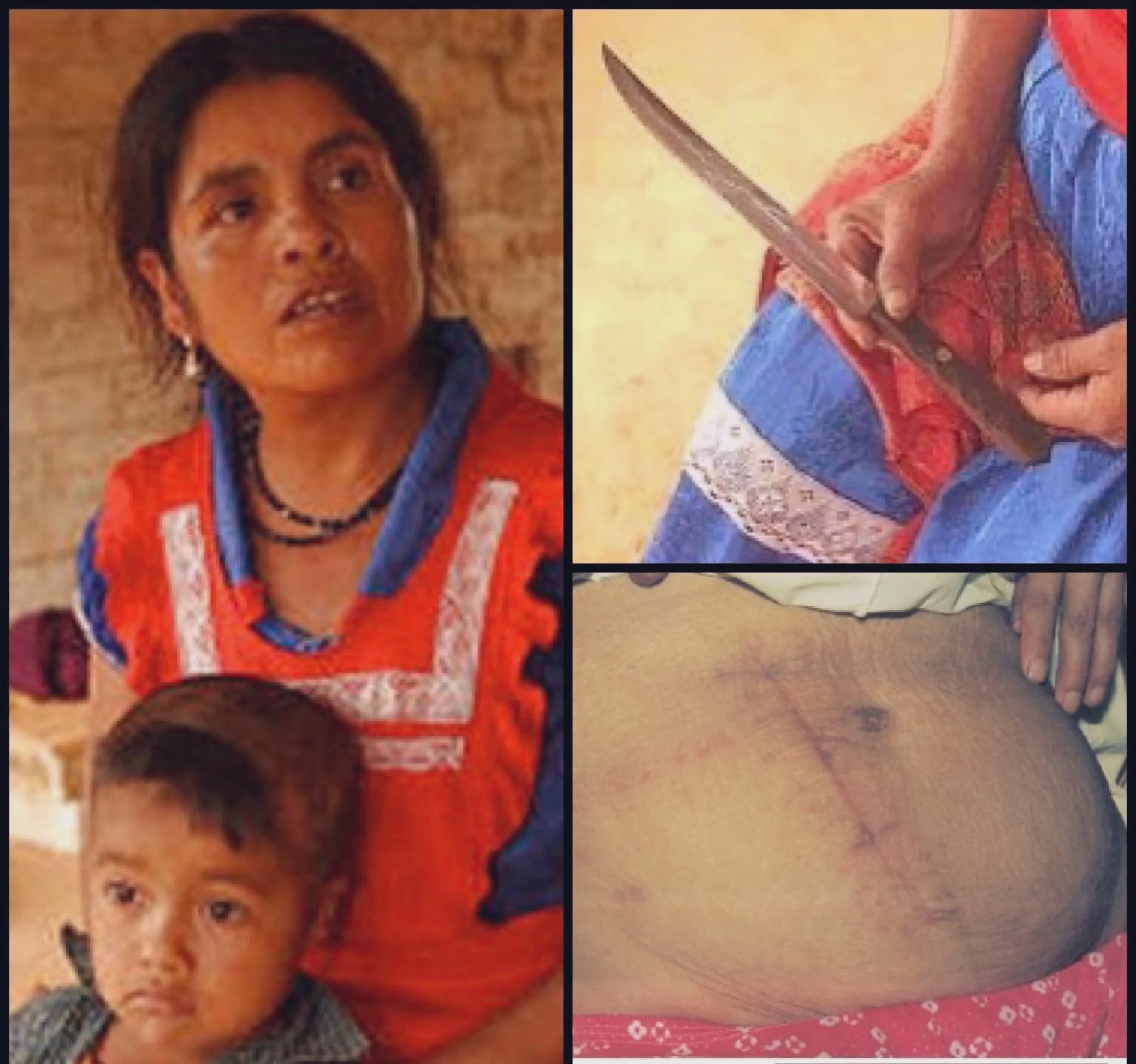
On March 5, 2000, after enduring 12 hours of excruciating labor pains, Inés Ramírez Pérez made a decision that would astonish the world. Alone in her modest cabin, with no access to medical help and haunted by the memory of her previous pregnancy loss, she resolved to perform a caesarean section on herself.
Inés fortified herself with three small glasses of hard liquor to dull the pain. Using a 15 cm kitchen knife, she made a vertical incision along her abdomen. With careful effort, she reached into her uterus and successfully delivered her baby boy. After severing the umbilical cord with scissors, she lost consciousness.
Hours later, Inés regained awareness and used clothing to bandage her wound. She instructed her older son to seek help. A health assistant arrived several hours later, suturing her incision with basic tools. Inés was transported to a clinic 2.5 miles away and then to the nearest hospital, eight hours away by car. After undergoing two surgeries to repair the damage, she recovered fully, as did her son.
Her act remains the only documented case of a woman performing a successful caesarean section on herself where both mother and child survived. Reflecting on her experience, Inés said, “If my baby was going to die, then I decided I would have to die, too.”
Against All Medical Odds
Inés Ramírez Pérez’s self-performed caesarean section stands as a remarkable testament to human resilience and determination, defying the expectations of medical professionals worldwide. Her survival, along with that of her newborn, is considered unprecedented in medical history.
Several factors contributed to this extraordinary outcome:
- Anatomical Positioning: Inés’s decision to perform the incision while seated and leaning forward positioned her uterus directly against the abdominal wall. This minimized the risk of injuring other vital organs, such as the intestines, which could have led to fatal complications.
- Limited Blood Loss: Despite the rudimentary nature of the procedure, Inés did not experience excessive bleeding, a common and often deadly complication in both surgical and obstetric scenarios. Her ability to remain conscious and seek further assistance was crucial to her survival.
- Absence of Infection: Performing surgery in a non-sterile environment typically poses a high risk of infection. Remarkably, Inés did not develop sepsis, which is often fatal if not promptly treated. This unexpected outcome further underscores the extraordinary nature of her case.
Medical professionals who later treated Inés were astounded by her survival. Dr. Honorio Galván, who examined her post-operatively, remarked, “I couldn’t believe it. There was no sepsis in the wound, no internal bleeding. She was back on her feet in a couple of days.”
While Inés’s story is inspiring, it is essential to recognize that her survival was an exception rather than the rule. Self-surgery, especially procedures as complex as a caesarean section, carries extreme risks, including severe hemorrhage, infection, and death. Inés herself advised against others attempting such an act, acknowledging the perilous nature of her experience.

The Power of a Mother’s Determination
This remarkable incident has been documented in medical literature, highlighting its uniqueness. The International Journal of Gynecology & Obstetrics published her case, noting it as the only known instance where both mother and child survived a self-inflicted caesarean section.
Inés’s story also brings attention to the challenges faced by women in remote areas with limited access to medical care. Her experience emphasizes the importance of improving healthcare infrastructure and accessibility in such regions to prevent desperate measures.
While her actions were born out of necessity, Inés does not advocate for others to follow her example. She acknowledges the dangers involved, stating, “It was very painful, and people could die.”
The medical community was astounded by her survival and the successful delivery of her son, Orlando. Dr. Honorio Galván, who treated Inés post-operation, remarked, “I couldn’t believe it. There was no sepsis in the wound, no internal bleeding. She was back on her feet in a couple of days.”
A Call for Healthcare Reform
Inés Ramírez Pérez’s extraordinary act of survival is both an inspiring tale of maternal determination and a stark reminder of the systemic healthcare inequities in rural Mexico. Her story sheds light on the plight of women in isolated communities who are often forced to face life-threatening situations without medical assistance.
Maternal healthcare access in Mexico remains deeply unequal. In regions like Chiapas, only 60.5% of births are attended by skilled professionals, far below the national average of 94.4%. Indigenous and impoverished women are particularly vulnerable, facing numerous barriers to adequate care. Efforts such as government-led initiatives to improve healthcare infrastructure have made progress, but challenges persist, especially in reaching the most marginalized communities.
Inés’s case has sparked international conversations about healthcare equity. Her ordeal highlights the urgent need for systemic changes to ensure that no woman has to resort to such extreme measures. As Inés reflected on her experience, she stated, “It was very painful, and people could die.” Her words resonate as a call to action for governments, healthcare providers, and communities to address these gaps and prioritize maternal health.
Her story remains a profound example of resilience, but it also emphasizes the critical importance of accessible medical care. By sharing her experience, Inés has not only inspired millions but also drawn attention to the urgent need for reforms that could save countless lives.
