
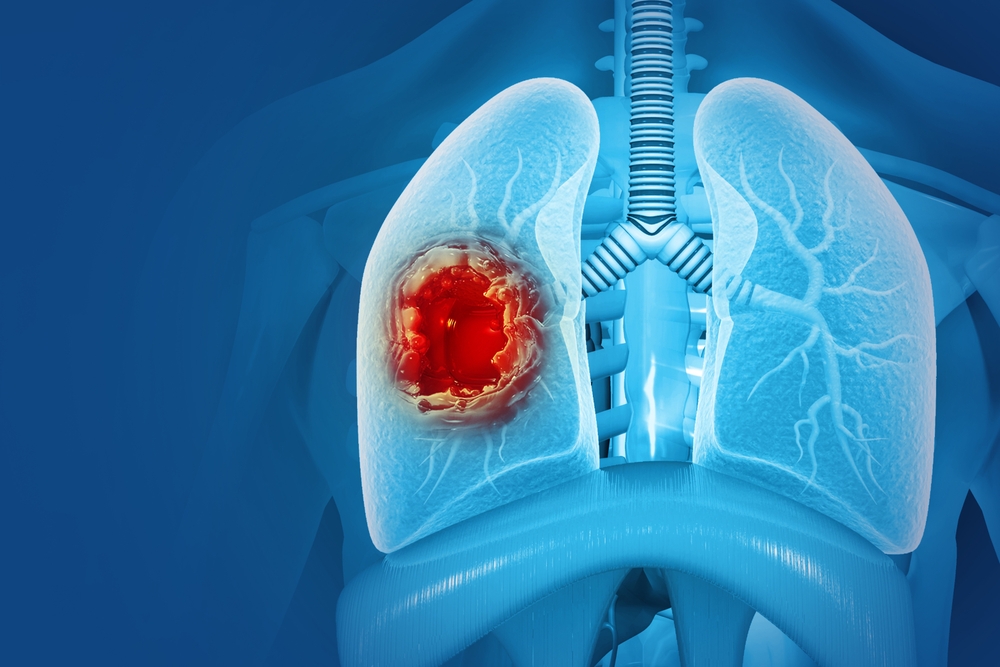
In the story of cancer research, remission has long been described as a victory a crossing of the finish line after which survivors may finally exhale. Yet for decades, an unsettling mystery has shadowed this narrative. Patients declared disease-free have sometimes faced recurrence years or even decades later, not because of treatment failure, but because cancer left behind stealthy remnants. These are dormant cancer cells, microscopic hitchhikers that lodge themselves in faraway tissues such as the lungs, liver, or bones. Unlike active tumor cells that divide relentlessly, these quiet cells slip into a suspended state, neither growing nor dying, and therefore often remain invisible to scans or therapies. The question haunting scientists has been: what awakens them from this deep biological slumber? The answer, it seems, may be more families and more unsettling than anyone expected.
A groundbreaking series of studies, led by the University of Colorado Cancer Center in collaboration with international researchers, has revealed that common respiratory infections such as influenza and COVID-19 have the power to rouse these dormant cancer cells, setting the stage for renewed metastatic disease. Through a combination of mouse models, laboratory organoids, and human population data, the researchers have mapped a dangerous link between viral infection, inflammation, and the reawakening of cancer seeds that were once harmlessly silent. Their findings, published in Nature in 2025, do more than illuminate a hidden mechanism they reshape our understanding of remission itself. Rather than a permanent erasure, remission emerges as a delicate equilibrium between the body and its hidden past, one that can be tipped by a single viral gust of wind. To appreciate the significance of this discovery, we must dive into the biological processes, the clinical evidence, and the broader implications for medicine, survivorship, and even how we conceptualize health and resilience.
Dormant Cancer Cells: Sleeping Seeds with Hidden Potential
Dormant cancer cells, known in scientific terms as disseminated cancer cells (DCCs), represent one of the most enigmatic aspects of oncology. These microscopic travelers break away from a primary tumor early in its development, migrating through blood vessels to distant tissues such as the lungs, bones, or liver. Once settled, they enter a state of dormancy a kind of biological pause button. Unlike dividing cancer cells, dormant cells are nearly invisible to chemotherapy and radiation, which typically target active growth. As a result, they can persist quietly in the body for years, even decades, posing no immediate threat but holding within them the potential for resurgence.
This dormancy is not random. The microenvironment of the tissues they inhabit plays a critical role in keeping them quiet. Local immune cells, chemical signals, and the structural proteins of the tissue work together to create a balance that holds the cancer cells in check.

Scientists often liken these cells to embers buried in a campfire. Left alone, they may smolder quietly, causing no harm. But given the right conditions a strong gust of wind, a surge of oxygen the embers can ignite into flame. Similarly, when the tissue environment shifts from one that suppresses growth to one that encourages it, dormant cells can awaken, multiply, and create metastatic tumors.
Understanding dormancy is vital because metastasis, not the primary tumor itself, is the leading cause of cancer-related deaths. The new research highlights that respiratory viruses like COVID-19 and influenza may be among the very triggers that transform harmless embers into a roaring blaze. For patients who thought they had left cancer behind, this realization underscores the precariousness of survivorship and the need for vigilance even years after remission.
The Role of Inflammation

The key to understanding how viruses wake dormant cancer cells lies in inflammation, the body’s ancient alarm system. When a virus such as SARS-CoV-2 or influenza invades, the immune system launches a rapid and aggressive response. Cells release a storm of signaling molecules called cytokines, designed to recruit immune fighters, repair tissues, and establish defenses. One cytokine, interleukin-6 (IL-6), emerged as a central culprit in the recent studies. While IL-6 is normally protective essential for mobilizing immune responses and tissue healing it also acts as a molecular switch capable of jolting dormant cancer cells back into division.
In mouse models of breast cancer with dormant lung metastases, infection with either flu or COVID-19 triggered explosive growth of previously quiescent cells. When IL-6 signaling was blocked, this effect vanished, suggesting that IL-6 is both necessary and sufficient to awaken these hidden seeds. Laboratory organoids, miniature tissue cultures grown from human cells, further confirmed IL-6’s pivotal role. The molecule, far from being a simple hero or villain, reveals the paradoxical nature of biology: what saves us from infection can also betray us by stirring dormant disease.
The immune response introduces another twist. During viral infection, helper T cells (CD4+) sometimes suppress the activity of killer T cells (CD8+), which are normally tasked with destroying both virus-infected and cancerous cells. This immune rebalancing may inadvertently provide dormant cancer cells a window of escape, allowing them to expand while the body’s defenses are preoccupied. In this way, viruses act less like direct saboteurs of our DNA and more like accidental arsonists, creating winds of inflammation that fan hidden embers into fire.
Evidence from Human Populations

Of course, laboratory findings, however compelling, must be tested against the complexity of human life. To that end, researchers turned to large medical databases in the U.S. and Europe. In the UK Biobank, which tracks hundreds of thousands of individuals, cancer survivors who contracted COVID-19 in 2020 before vaccines became available were nearly twice as likely to die of cancer within the following year compared to those who avoided the virus. Importantly, this effect was observed in people whose cancers had been diagnosed five or more years earlier, suggesting they were in remission and that the increased risk was not due to active disease at the time of infection.
Similar signals appeared in the Flatiron Health database, which includes tens of thousands of breast cancer patients across the U.S. Among these survivors, those who tested positive for COVID-19 were about 40–50% more likely to develop new lung metastases compared with those who remained virus-free. The timing also mirrored the mouse findings: the heightened risk clustered within the first year or two after infection, fading somewhat thereafter. This temporal pattern fits the metaphor of embers stirred by a gust of wind: once the winds settle, some embers burn out, while others persist as flames.
While observational data cannot prove causation outright, the alignment between mechanistic animal studies and real-world human outcomes makes the case difficult to dismiss. Still, confounding factors exist. Pandemic-related delays in cancer care, socioeconomic disparities, or general health vulnerabilities could all have contributed. Yet the fact that the epidemiological data so closely reflect the laboratory evidence strengthens confidence that respiratory infections truly can awaken dormant cancer cells, at least under certain conditions.
Clinical and Public Health Implications

If respiratory viruses can fuel cancer recurrence, then survivorship care needs to adapt. Vaccination takes on renewed importance, not only for preventing acute illness but also for potentially reducing the risk of metastasis. COVID-19 vaccines and annual flu shots lower the chances of severe infection, which in turn blunts the inflammatory storms implicated in reawakening dormant cells. In this light, vaccines are not just shields against infection they are guardians of long-term cancer outcomes.
Rapid antiviral treatment is another frontier. Drugs such as Paxlovid for COVID-19 or Tamiflu for influenza were developed to shorten illness and prevent complications, but they may also reduce the immune upheaval that fosters metastatic growth. Clinical trials will be necessary to test whether survivors treated promptly with antivirals experience lower rates of cancer recurrence.
IL-6 inhibitors, already in use for conditions like rheumatoid arthritis and for severe COVID-19 cases, represent a promising therapeutic avenue. The animal studies suggest that blocking IL-6 signaling could prevent viral-triggered reactivation of dormant cancer cells. But translating this into practice is complicated. Suppressing IL-6 might blunt helpful immune responses, increasing vulnerability to infections. Striking the right balance protecting against metastatic risk without undermining immunity will require careful research.
At the individual level, survivors can also adopt simple preventive measures. Wearing masks during peak virus seasons, maintaining good hand hygiene, and practicing general wellness strategies such as rest, nutrition, and stress reduction all contribute to immune resilience. Survivorship becomes less about fearing a hidden foe and more about cultivating an environment, both inside and outside the body, that resists inflammatory upheaval.
Unanswered Questions and Future Directions

The discovery raises as many questions as it answers. Do all cancer types carry equal risk of viral reawakening, or is the effect strongest in those that commonly metastasize to the lungs, such as breast cancer? Could similar mechanisms awaken dormant cells in the bones, brain, or liver? How long does the window of vulnerability last after infection weeks, months, or longer? Repeated mild infections, so common in daily life, may cumulatively shape risk in ways we have not yet measured.
Vaccination remains a hopeful variable. While the pre-vaccine era data suggest a stark increase in cancer-related mortality following COVID-19 infection, it is still unclear how much vaccination mitigates that risk. Given that vaccines reduce both severity and systemic inflammation, the logical assumption is that they substantially blunt the danger, but real-world data will be critical to confirm this.
Researchers are also exploring whether targeted immunotherapies can be used prophylactically in high-risk survivors. If an individual is known to carry dormant disseminated cells, could strategic immunomodulation during viral infections keep those cells silent? Answering this will require a delicate balance of oncology, immunology, and infectious disease expertise.
What is certain is that the concept of remission must evolve. It is not a permanent reset but a state of equilibrium, constantly negotiated between the body’s defenses and the remnants of disease. The new findings push clinicians, researchers, and survivors alike to recognize that vigilance does not end when active treatment concludes it transforms into a lifelong partnership with one’s biology.
From Embers to Awareness
The revelation that common respiratory viruses can awaken dormant cancer cells changes the landscape of survivorship. For decades, recurrence was an enigma, a cruel twist of fate. Now, we glimpse the mechanisms behind it inflammation, immune shifts, and molecular triggers like IL-6. Armed with this knowledge, science offers not despair but strategy: vaccines, antivirals, lifestyle practices, and perhaps future therapies designed to keep hidden cells asleep.
Metaphorically, the research reminds us that dormancy is not absence but latency. Just as embers wait for the right wind to blaze, parts of our past biological, emotional, or spiritual remain present even when invisible. The task is not to deny their existence but to tend the conditions that keep them from reigniting destructively. In medicine, that means preventive care and ongoing research. In life, it may mean building resilience, processing old wounds, and cultivating balance.
Respiratory viruses are part of human existence, unlikely to vanish. But understanding their role in awakening cancer’s dormant seeds allows us to prepare wisely. With science, vigilance, and compassion, the embers of disease can be kept cold transforming survivorship from a fragile truce into a durable peace.
