
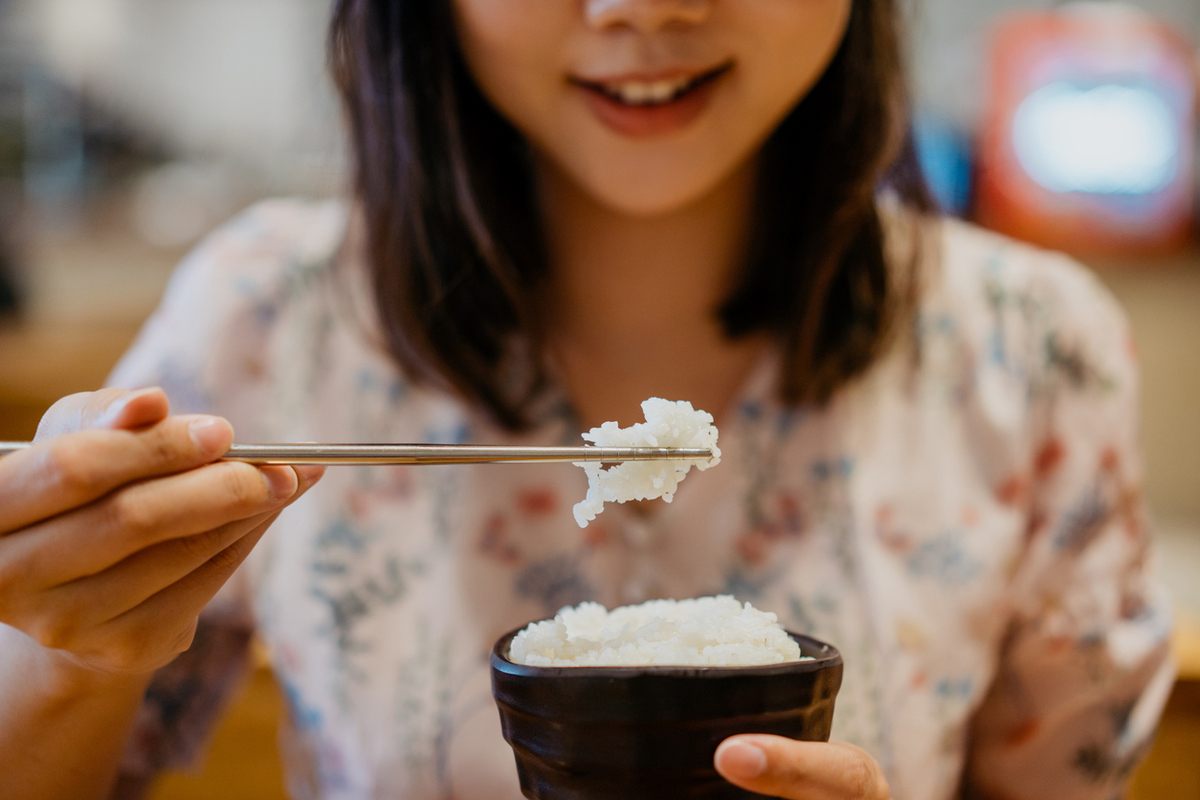
At first glance, eating rice at every meal might sound like a recipe for weight gain. Yet in Japan, where rice is a dietary staple, obesity remains remarkably rare. So how do the Japanese stay lean and healthy while enjoying bowl after bowl of this starchy grain? As it turns out, it’s less about the rice—and more about how they live around it.
Rice is served—but in small, mindful portions
In Japan, rice is ever-present—from breakfast to dinner—but not in the oversized servings many of us are used to. A typical Japanese bowl holds just 140 grams, amounting to around 200 calories. Even snacks like onigiri (those tasty rice balls often filled with salmon or pickled plum) rarely exceed 175 calories.
It’s a far cry from the overflowing plates of fried rice or supersized portions common in other parts of the world. The key difference lies in portion control—a quiet, cultural understanding that more doesn’t always mean better.
Soup before meals? It’s a clever calorie trick
Alongside rice, many Japanese meals begin with a warm bowl of miso soup or a clear broth. This isn’t just for comfort—there’s some science behind it too. Studies have shown that starting your meal with a light soup can reduce your overall calorie intake by around 20%.
It’s a gentle way to fill up, helping people feel satisfied faster without relying on heavier foods. Add that to a meal that’s already light on oil and processed ingredients, and it’s no wonder the scales stay steady.
Snacking and junk food? Not part of the routine
One of the most striking things about everyday life in Japan is the near absence of snacking. It’s not just uncommon—it’s often considered poor etiquette to eat while walking or between meals.
Unlike many Western countries where processed snacks and sugary drinks are part of the daily routine, Japan’s food culture still leans heavily on whole, minimally processed ingredients. Sweets exist, of course, but they’re enjoyed in moderation, and rarely replace meals.
The result? Fewer empty calories and more balanced eating patterns that support long-term weight management.
Movement woven into daily life
A big part of the picture isn’t just what’s on the plate—it’s what happens around it. The Japanese lifestyle is, by default, more active. People often walk or cycle to work, school, or the shops, and public transport use keeps step counts high.
Even at home, things are different. Sitting on the floor, whether on a tatami mat or low cushion, means using more muscle strength to get up and down throughout the day—subtle movements that add up over time.
This quiet, consistent physical activity helps balance out calorie intake, even with three bowls of rice a day.
A culture that values restraint and respect
From an early age, Japanese children are taught to appreciate food and avoid waste. Leaving a single grain of rice in your bowl is considered poor manners, and asking for more than you can finish is frowned upon.
Rather than labelling overeating as a moral failing, it’s simply viewed as something that’s not done. This quiet cultural norm helps encourage mindful eating and discourages the kind of overindulgence that can lead to weight issues.
It’s not about the rice—it’s about the rhythm
In the end, the Japanese don’t stay slim because they eat less rice—they stay slim because they eat thoughtfully, move more, and embrace a culture that values balance over excess.
With only 3.6% of the population considered obese, compared to over 30% in the US, Japan’s lifestyle habits speak for themselves. Rice isn’t the enemy—it’s just one piece of a much bigger, healthier picture. And that’s a lesson we could all stand to take to heart.
