
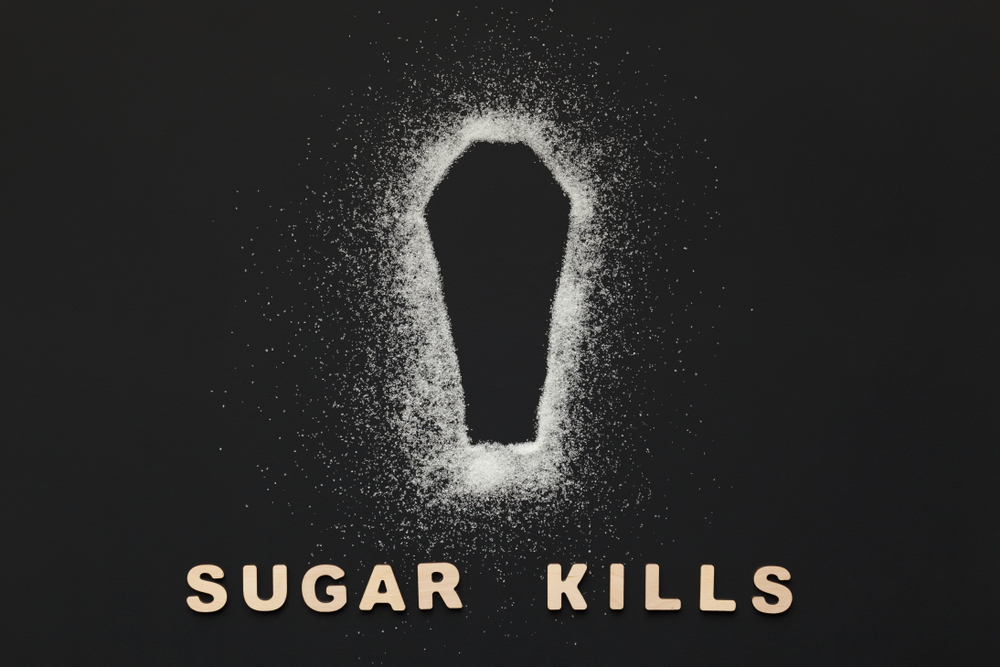
Every day, millions of people around the world reach for sugary drinks—be it a refreshing soda, an energy-packed beverage, or a sweetened iced tea. For many, it’s a quick fix for thirst or a momentary pleasure. But what if that simple habit is putting your health at risk in ways you never imagined? Recent studies have shown a disturbing link between sugary drinks and an increased risk of certain cancers. In fact, consuming just one sugary drink a day has been tied to a significant rise in cancer risk, particularly for cancers like breast and colorectal.
The science is clear: while sugar may offer a sweet escape, its long-term impact on your body is anything but sweet. From weight gain and obesity to insulin resistance and metabolic disorders, the hidden dangers of sugary drinks go far beyond a few extra calories. Yet, the problem persists. So, why are sugary drinks still so pervasive in our daily lives, and what can we do to break free from this dangerous cycle?
Understanding Sugary Drinks and Their Popularity

Sugary drinks, also known as sugar-sweetened beverages, encompass a wide range of popular beverages such as sodas, energy drinks, sweetened teas, and even many fruit juices. These drinks are typically high in added sugars, most commonly in the form of high fructose corn syrup or cane sugar, and they offer little nutritional value. While they may provide a quick energy boost or satisfy a craving, they contribute to a myriad of long-term health issues when consumed regularly. In fact, a single 12-ounce can of soda can contain around 40 grams of sugar, which is well above the recommended daily limit for sugar intake according to the World Health Organization (WHO).
The widespread popularity of sugary drinks is, in part, due to aggressive marketing and their availability in almost every corner store, fast food restaurant, and vending machine. Advertisements often target young people, encouraging them to indulge in these beverages as an easy source of refreshment or energy. The social aspects also play a role, with sugary drinks being commonly consumed during social gatherings, parties, and family meals. This accessibility, combined with their habit-forming nature, makes it difficult for many individuals to reduce their intake, even when they are aware of the potential risks associated with these beverages.
Despite growing health concerns, sugary drinks remain a cornerstone of modern diets worldwide. For many, they represent an inexpensive and convenient choice to quench thirst or fuel a busy day. The convenience factor cannot be underestimated; sugary drinks are often seen as an instant source of refreshment that requires no preparation. However, this convenience comes at a hidden cost—one that we may not fully understand until it is too late. This section aims to explain why sugary drinks are so ingrained in our daily lives and how they may be silently affecting our health over time.
The Science Behind the Link: What Studies Show

A growing body of scientific evidence points to a strong connection between sugary drinks and several types of cancer. Multiple large-scale studies have found that regular consumption of sugary beverages is linked to an increased risk of cancers such as breast cancer, colorectal cancer, and even pancreatic cancer. One notable study published in the journal BMJ found that individuals who consumed sugary drinks on a daily basis had a 40% higher risk of developing colorectal cancer compared to those who avoided such drinks. This startling statistic highlights the potential dangers of these beverages, which are often consumed without a second thought.
The mechanism behind this link is still being explored, but researchers believe that sugary drinks may increase cancer risk through several pathways. The most widely accepted theory involves the body’s insulin response. Sugary drinks cause rapid spikes in blood sugar levels, prompting the pancreas to release large amounts of insulin.
Chronic high insulin levels have been shown to promote inflammation and cellular growth, both of which are factors that contribute to the development of cancer. Additionally, sugary drinks can lead to weight gain and obesity, both of which are major risk factors for various cancers, as excess fat tissue produces hormones that can promote tumor growth.
Furthermore, the high glycemic index of sugary drinks may play a role in promoting cancer cell proliferation. Cancer cells thrive in an environment of high sugar, and by constantly feeding the body’s sugar supply, sugary drinks may inadvertently fuel the growth of tumors. Although more research is needed to fully understand these mechanisms, the available data paints a clear picture: regularly consuming sugary drinks increases the likelihood of developing certain types of cancer, making it crucial for individuals to be more mindful of their beverage choices.
The Role of Obesity and Metabolic Disorders

The link between sugary drinks and cancer is tightly intertwined with obesity and metabolic disorders. Obesity has long been recognized as a major risk factor for a variety of cancers, and sugary drinks are one of the primary contributors to weight gain. These drinks provide a large amount of empty calories—calories that offer no nutritional value but contribute significantly to an individual’s overall caloric intake. Unlike solid foods, liquid calories are not as filling, which means that individuals may consume more total calories when drinking sugary beverages, leading to weight gain over time.
When sugary drinks are consumed regularly, they can also contribute to the development of metabolic syndrome—a cluster of conditions that increase the risk of heart disease, stroke, and type 2 diabetes. Metabolic syndrome is characterized by high blood pressure, high blood sugar, excess body fat around the waist, and abnormal cholesterol levels. Studies have shown that people with metabolic syndrome are more likely to develop cancers, particularly those involving the digestive system, such as colorectal and pancreatic cancer. The insulin resistance associated with metabolic syndrome is believed to play a role in this increased cancer risk, as high insulin levels can promote the growth of cancerous cells.
The health implications of sugary drinks go far beyond just weight gain and diabetes. As obesity and metabolic disorders continue to rise globally, so too does the incidence of cancer. This is why addressing sugary drink consumption is a key piece of the puzzle in preventing not only obesity but also the cancers associated with it. By reducing sugary drink intake, individuals can help mitigate the risk of developing these metabolic issues and, in turn, lower their overall cancer risk.
The Impact of Sugar on the Body Beyond Cancer

While the connection between sugary drinks and cancer is alarming, the negative impact of sugar on the body extends far beyond cancer risks. One of the most immediate effects of excessive sugar intake is its contribution to the development of type 2 diabetes. Consuming large amounts of sugar in liquid form leads to rapid spikes in blood glucose levels, which over time can result in insulin resistance—a hallmark of diabetes. Insulin resistance forces the body to produce even more insulin, which can lead to a range of serious health problems, including nerve damage, kidney disease, and cardiovascular issues.
Additionally, sugary drinks have been linked to heart disease, the leading cause of death worldwide. Studies have shown that regular consumption of sugary beverages increases the risk of developing heart disease by contributing to factors such as high blood pressure, high cholesterol, and inflammation. The impact on heart health is particularly concerning because many individuals are unaware of the harm that sugary drinks can cause. They are often perceived as a harmless indulgence, but they can silently contribute to chronic conditions that affect the heart, arteries, and other organs.
Lastly, the addictive nature of sugar cannot be overlooked. Research suggests that sugar affects the brain in much the same way that addictive substances do, triggering the release of dopamine, the “feel-good” neurotransmitter. This creates a cycle of craving and consumption, making it difficult for individuals to break free from their sugary drink habit. The more sugar a person consumes, the more their brain craves it, leading to further health complications. Reducing sugary drink intake not only benefits your waistline but can also significantly improve your overall health by reducing the risk of these severe conditions.
How to Cut Back on Sugary Drinks for Better Health

Cutting down on sugary drinks can be a simple yet impactful change for better health. Here are practical tips to help you reduce your intake without feeling deprived:
- Start gradually: If you’re used to drinking sugary beverages every day, don’t feel the need to quit all at once. Begin by replacing one sugary drink a day with a healthier option like water or unsweetened tea. Over time, you can increase the number of healthy swaps you make.
- Choose healthier alternatives: Swap sugary sodas and energy drinks for low-calorie options. Sparkling water with a splash of lemon or a caffeine-free herbal tea can satisfy cravings without the added sugar. If you’re craving something sweet, try naturally flavored waters or homemade iced teas with just a hint of honey or stevia.
- Read labels: Many drinks marketed as “healthy,” such as fruit juices or smoothies, contain added sugars. Always check labels to ensure there are no hidden sweeteners. Opt for drinks that list only natural ingredients and avoid products with high fructose corn syrup or other added sugars.
- Stay hydrated: Often, we reach for sugary drinks when we’re just thirsty. Make water your go-to beverage. Keep a water bottle with you throughout the day and try infusing it with fruits or herbs for a flavorful twist that doesn’t add sugar.
- Limit juice consumption: While fruit juices may seem like a healthy choice, they can be packed with sugar. Instead of drinking juice, consider eating whole fruits. They provide fiber along with natural sugars, which makes them a healthier option.
By making these small, sustainable changes, you can significantly cut down on your sugary drink consumption and, in turn, reduce your risk of cancer and improve your overall health.
Reducing Cancer Risk One Sip at a Time

The evidence linking sugary drinks to an increased risk of cancer is growing, and while sugar alone doesn’t directly cause cancer, its role in obesity, inflammation, and metabolic disruptions makes sugary beverages a serious health concern. By regularly consuming sugary drinks, you are not only increasing your risk for weight gain but also contributing to a range of metabolic changes that can fuel cancer development.
Making conscious decisions about what you drink is one of the simplest and most effective ways to take control of your health. Replacing sugary drinks with healthier alternatives like water, herbal teas, or unsweetened drinks can significantly reduce your cancer risk, improve your metabolism, and support long-term well-being.
It’s time to make small but impactful changes to your diet—cutting down on sugary drinks is a step towards better health and a brighter future. Start today, and your body will thank you for it.
Source:
- Epner, M., Yang, P., Wagner, R. W., & Cohen, L. (2022). Understanding the Link between Sugar and Cancer: An Examination of the Preclinical and Clinical Evidence. Cancers, 14(24), 6042. https://doi.org/10.3390/cancers14246042
- Gomez-Castillo, L., Cushing-Haugen, K. L., Useche, M., Norouzi, A., Rizvi, Z., Ferrandino, R., Futran, N., Marchiano, E., Rodriguez, T., Harris, H. R., & Barber, B. (2025). High Sugar-Sweetened beverage intake and oral cavity cancer in smoking and nonsmoking women. JAMA Otolaryngology–Head & Neck Surgery. https://doi.org/10.1001/jamaoto.2024.5252
