
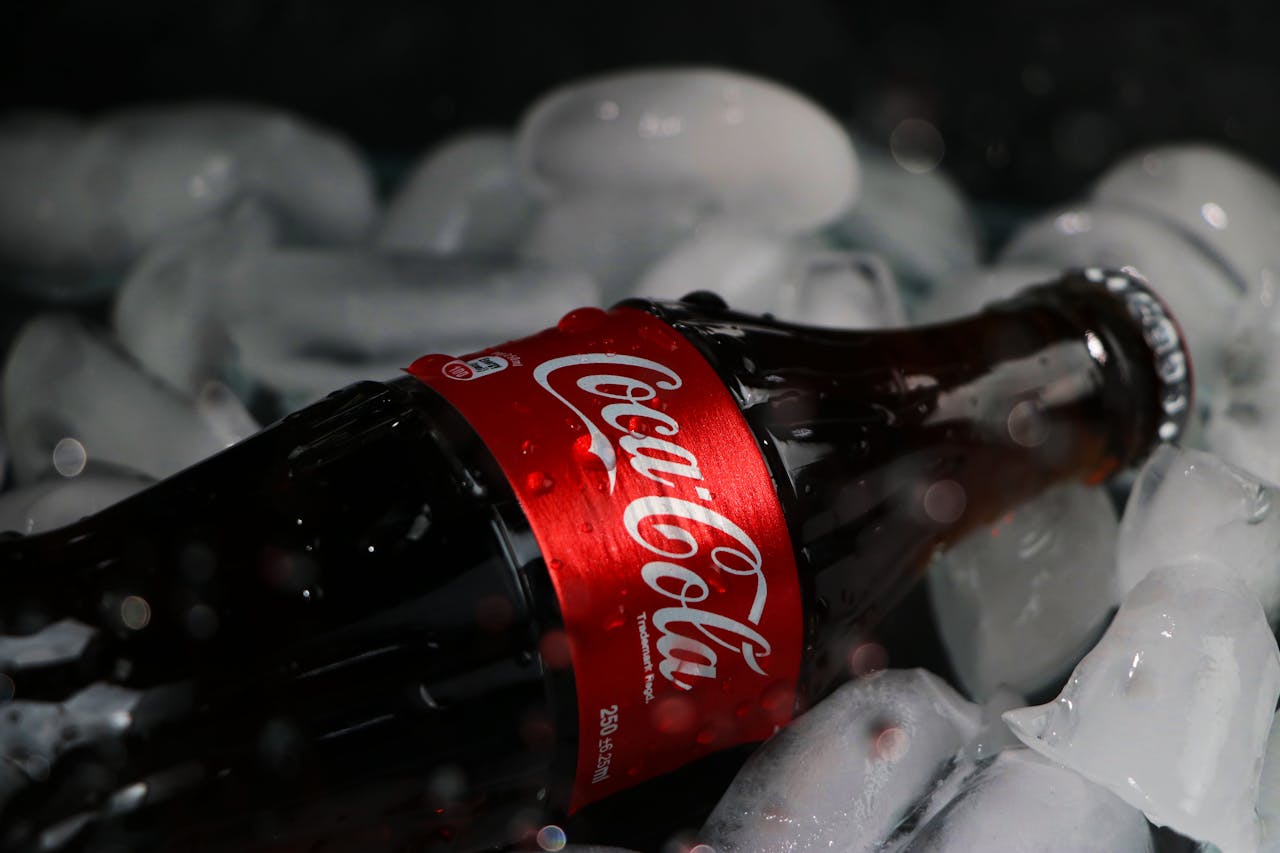
Have you ever taken a sip of Coca-Cola from a glass bottle and thought it simply tasted better than from a can or plastic bottle? Many people insist there is a noticeable difference, even though the company maintains that the recipe is the same. The experience feels crisper, cleaner, and more refreshing. But is it just nostalgia, or is there science behind it?
Recent discussions in food media explored why so many people claim that Coke tastes superior in a glass bottle. The answer turns out to be a mix of chemistry, packaging materials, temperature, and even psychology. What seems like a simple preference actually reveals fascinating insights about how we perceive flavor.
At CureJoy, we believe food and drink experiences offer more than just taste. They open the door to understanding how our senses work and how modern packaging affects what we consume. Looking at this soda debate through a wellness lens helps you make more informed choices about what and how you drink.
Let us explore why Coca-Cola tastes better from a bottle and what this popular observation teaches us about flavor, health, and mindful consumption.

The Science of Packaging and Flavor
One of the biggest reasons Coca-Cola tastes different in a glass bottle has to do with packaging materials. Glass is non porous and chemically stable. It does not react with the beverage inside, nor does it absorb or release compounds. This helps preserve the original flavor profile more consistently. Because glass acts as a barrier to oxygen and external odors, it protects the delicate balance of sweetness, acidity, and carbonation that defines the drink.
Plastic bottles, on the other hand, are made from polyethylene terephthalate, commonly known as PET. While considered food safe, plastic can allow tiny amounts of gas exchange over time. Carbonation may slowly escape, and the plastic itself can subtly influence flavor. Even minimal changes can affect how fresh the drink tastes. Over longer storage periods, this slight permeability may contribute to a softer mouthfeel compared to soda stored in glass.
Aluminum cans are lined with a thin polymer coating to prevent the soda from reacting with the metal. Although this lining is designed to protect flavor, some people report detecting a faint metallic aftertaste. The perception may be subtle, but when combined with carbonation and sweetness, it becomes noticeable to sensitive palates. Sensory perception varies from person to person, which explains why some consumers insist there is a clear difference while others do not detect one.
Glass bottles create a more neutral storage environment. Because there is less interaction between the container and the liquid, carbonation levels remain more stable. That sharp fizz you feel on your tongue contributes heavily to how refreshing the drink seems. More carbonation often translates to a more satisfying sensory experience, especially when the beverage is consumed shortly after opening.
Carbonation, Temperature, and Sensory Experience
Carbonation plays a major role in how soda tastes. Carbon dioxide dissolves in liquid under pressure, forming carbonic acid. This gives soda its signature bite and tingling sensation. If carbonation decreases even slightly, the drink can taste flatter and sweeter, since the acidity that balances the sugar becomes less pronounced.
Glass bottles tend to maintain carbonation better when sealed properly. In contrast, plastic bottles may allow minimal gas transfer over time. Even if the difference is small, your taste buds can pick up changes in texture and fizz. The sound of carbonation escaping when you open a glass bottle also contributes to anticipation, which shapes how refreshing the first sip feels.
Temperature also influences flavor perception. Glass bottles chill quickly and evenly in the refrigerator. When soda is served colder, sweetness feels less intense and carbonation feels sharper. This combination enhances the crisp sensation people associate with bottled Coke and can make the drink seem more balanced.
There is also a tactile component. Holding a cold glass bottle feels different than holding a lightweight plastic bottle or aluminum can. The weight, the firmness, and the cool surface all contribute to a more satisfying drinking ritual. Your brain integrates these sensory cues into the overall flavor experience, blending touch, sound, and taste into one impression.

Psychology and the Power of Nostalgia
Taste is not just chemistry. It is psychology. Many people associate glass bottled Coca-Cola with childhood memories, special occasions, family gatherings, or classic diners. These emotional connections can strongly influence how something tastes. When a drink is linked to positive experiences, your brain may interpret the flavor more favorably.
Research in sensory science shows that expectations shape perception. If you believe a product tastes better in glass, your brain may amplify positive flavor notes and minimize any perceived flaws. The mind and palate work together more closely than we realize, constantly blending memory, emotion, and sensory input.
Branding also plays a part. The iconic contour glass bottle is visually distinctive. It signals tradition and authenticity. When you see that familiar shape, your brain may anticipate a higher quality experience before you even take a sip. That anticipation alone can elevate satisfaction.
This phenomenon extends beyond soda. Studies have found that people rate wine as tasting better when told it is more expensive. The same principle applies here. Presentation influences perception, and understanding this helps you become more aware of how marketing and memory shape your food and beverage choices.

What This Means for Your Health
While the debate about glass versus plastic is interesting, it is important to remember that Coca-Cola is still a sugary beverage regardless of packaging. A standard serving contains significant amounts of added sugar, which can contribute to weight gain, insulin resistance, fatty liver changes, and dental problems when consumed frequently. Packaging may change the experience, but it does not change the nutritional profile.
The improved taste from a glass bottle may actually encourage slower, more mindful sipping. Because glass bottles are often smaller in size than large plastic bottles, portion control may happen naturally. Drinking from a bottle instead of a large container can reduce the likelihood of overconsumption and mindless refills.
Packaging also raises broader wellness considerations. Some people prefer glass because it does not contain plasticizers or synthetic liners. Although approved packaging materials are regulated for safety, reducing overall plastic exposure aligns with a cleaner lifestyle approach that many health conscious individuals value. Choosing glass when available can be part of a larger effort to simplify what comes into contact with your food and drinks.
This conversation can be an opportunity to reassess your beverage habits. If you find yourself craving soda for its refreshing fizz, consider sparkling water with a squeeze of fresh citrus as an alternative. You can recreate the crisp mouthfeel without the high sugar content while still enjoying a satisfying sensory experience.
Mindful Drinking and Better Beverage Choices
Understanding why Coke tastes better in glass can inspire you to think more carefully about what you drink daily. Often, we consume beverages automatically without considering how they make us feel physically and emotionally. Drinks become background habits, something you sip while working, driving, or scrolling on your phone. Over time, this autopilot mode can disconnect you from hunger cues, thirst signals, and even satisfaction.
Mindful drinking begins with awareness. Notice how the temperature, container, and setting affect your experience. When you slow down and pay attention, you may realize that it is the ritual, not just the soda, that you enjoy. The sound of the cap opening, the chill of the bottle in your hand, and the first fizzy sip all create a sensory sequence that your brain associates with pleasure.
You can apply this insight to healthier beverages. Pour herbal tea into a favorite mug and take a moment to inhale the aroma before sipping. Serve infused water with mint, berries, or citrus in a glass bottle and allow it to chill fully before drinking. Small sensory upgrades can make nutritious choices feel just as satisfying as sugary drinks, especially when you give yourself permission to savor them.
It is also helpful to examine frequency and context. An occasional soda in a glass bottle can be part of a balanced lifestyle, particularly when enjoyed socially or as a treat rather than a daily necessity. Problems arise when sugary beverages become routine companions to every meal or afternoon slump. By shifting your mindset from automatic consumption to intentional enjoyment, you create space for healthier patterns that feel sustainable rather than restrictive.

The Bigger Picture of Food Packaging and Wellness
The discussion about Coca-Cola packaging reflects a larger issue in modern nutrition. Packaging affects not only flavor but also environmental impact and long term health exposure. Glass is recyclable and inert, which means it does not interact with the beverage it holds. For many people, this adds peace of mind alongside a cleaner taste.
Plastic packaging is convenient and lightweight, yet it contributes to environmental waste and raises questions about long term exposure to synthetic materials. While food grade plastics are regulated for safety, reducing overall plastic use aligns with a wellness oriented lifestyle that values simplicity and minimal processing. Choosing glass when possible can support both flavor preservation and eco conscious living.
Beyond materials, packaging also influences portion size. Large plastic bottles encourage repeated pouring and can make it easy to underestimate how much you consume. Single serve glass bottles naturally create boundaries. When the bottle is empty, the experience is complete. This built in stopping point can support better portion awareness.
At the same time, it is essential to focus on what is inside the container. Even the cleanest packaging cannot offset excessive sugar intake. True wellness comes from looking at the whole picture, including ingredients, portion sizes, hydration habits, and overall dietary patterns. Packaging matters, but content matters more.

Sip Smarter, Feel Better
So does Coca-Cola really taste better from a glass bottle? For many people, yes. The reasons include reduced interaction with packaging materials, better carbonation retention, colder serving temperatures, and the emotional power of nostalgia. All of these factors shape how your brain interprets flavor.
However, the deeper takeaway is not about which container wins. It is about becoming more conscious of how sensory cues influence your cravings and habits. When you recognize that taste is shaped by context, you become less likely to be driven purely by impulse.
You deserve drinks that refresh and support your wellbeing. That might mean enjoying an occasional bottled soda slowly and intentionally. It could also mean experimenting with sparkling mineral water, kombucha with low sugar content, or fruit infused water that delivers fizz and flavor without the heavy sugar load.
Next time you reach for a drink, pause and consider not only how it tastes, but how it fits into your overall health journey. Ask yourself whether you are thirsty, bored, stressed, or simply seeking a sensory break. Small moments of reflection can lead to meaningful shifts in how you hydrate and nourish your body over time.
