
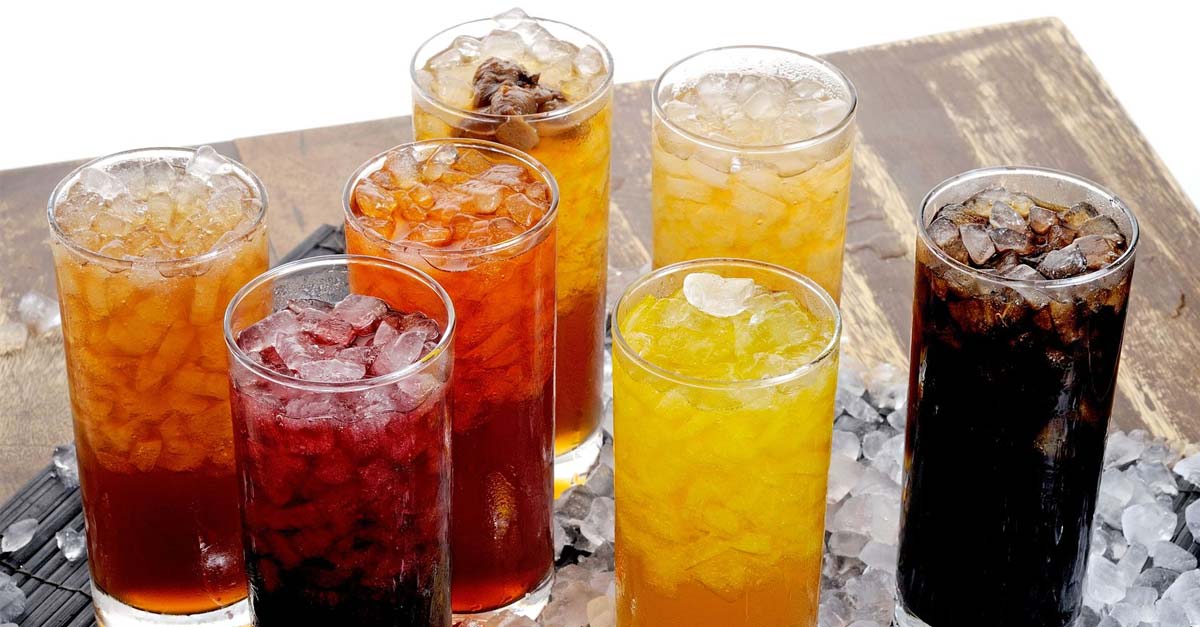
Walk into a fast-food restaurant in England today and something’s different. You can still order a cola with your meal. You can still fill your cup at the fountain machine. But when that drink runs dry, what happens next has changed.
No more trips back to the fountain. No more unlimited refills. No more free-flowing soda.
A new law took effect that bans restaurants and cafes from offering free refills on sugar-sweetened beverages. Government ministers position this restriction as a weapon against an obesity crisis that drains £11 billion from the National Health Service every year.
But free refills represent just one piece of sweeping changes to how England regulates junk food. Multiple restrictions landed at once, reshaping everything from supermarket promotions to television advertising.
Restaurants Can No Longer Offer Free Sugary Drink Refills
England’s new law stops restaurants, cafes, and takeaways from providing unlimited refills of drinks containing added sugar. Businesses in the out-of-home sector must now treat each beverage as a single-serve purchase.
Ministers designed this restriction alongside broader obesity prevention measures. Free refill promotions encourage people to consume more than they need, particularly children who lack the judgment to moderate their intake.
Restaurants that ignore the ban face enforcement action from the Advertising Standards Authority, which handles frontline regulation of these new rules.
Which Drinks Fall Under the New Ban
Government regulations target prepared soft drinks containing added sugar ingredients. Full-fat colas, lemonades, and fruit-based squash drinks all qualify. So do energy drinks, sweetened teas, and fruit juice blends with added sugar.
Milk-based beverages with added sweeteners trigger the ban, too. Milkshakes, hot chocolates, flavored lattes, mochas, and frappes now come in single servings only. Coffee shops can no longer top up your caramel macchiato or vanilla latte without charging again.
Even kombucha and fermented yoghurt drinks like kefirs fall under restrictions if they contain added sugar.
Water escapes regulation entirely. Unsweetened milk and milk alternatives remain exempt. Natural fruit juices sweetened only by their own fruit content get a pass. Diet and zero-sugar versions of soft drinks don’t count as sugar-sweetened, so restaurants can still refill those freely.
How Government Decides What Counts as Unhealthy

Officials use a two-stage process to classify drinks as unhealthy. First, beverages must fall within specific categories identified as concerning for childhood obesity. Second, they must score 1 or above when tested with the 2004-2005 nutrient profiling model.
Nutrition experts designed this model to evaluate products based on 100 grams of content. Points stack up for sugar, saturated fat, salt, and sodium. Points come off for beneficial nutrients like fiber, protein, and fruit content. Subtract the good from the bad and you get a final score.
Drinks scoring 1 or higher fail the test. Food products need a score of 4 or higher to qualify as less healthy.
The government extended this classification system across 13 categories of food and drink. Categories include soft drinks, savoury snacks, breakfast cereals, confectionery, ice cream, cakes, sweet biscuits, pastries, desserts, sweetened yoghurt, pizza, potato products, and complete meals.
Why Ministers Say Free Refills Had to Stop
Obesity rates have climbed to alarming levels. One in four adults in the UK lives with obesity. One in five children aged 10 to 11 carries excess weight. Among reception-aged children, 9.2% already have obesity. By age 5, nearly a quarter of children show tooth decay caused by excess sugar consumption.
Health Secretary Wes Streeting stated: “Obesity robs our kids of the best possible start in life, sets them up for a lifetime of health problems, and costs the NHS billions.”
Type 2 diabetes, heart disease, and certain cancers are all linked to obesity. Children who carry excess weight face a greater risk of staying obese as adults. Obesity represents the second biggest preventable cause of cancer after smoking.
Free refills remove natural stopping points. When drinks cost nothing to top up, people pour another glass without thinking. Children especially lack the awareness to regulate their consumption when unlimited options sit within reach.
Rob Hobson, a registered nutritionist, called the ban “a step in the right direction” that could “help reduce excess calorie intake.” But he cautioned against viewing restrictions as a complete solution. Multiple factors drive obesity beyond just promotional tactics.
BOGOF Deals on Junk Food Also Banned

Buy-one-get-one-free offers on unhealthy food disappeared from stores at the same time as the refill ban. Multi-buy promotions and volume price deals now break the law when applied to products classified as high in fat, salt, or sugar.
Supermarkets, high street shops, and online retailers must all comply. Restrictions cover crisps, chocolate, ice cream, cakes, fish fingers, and even some pizzas. Any product that scores high enough on the nutrient profiling model and falls within the 13 regulated categories faces promotion limits.
The government originally planned these restrictions for earlier implementation, but delayed them due to cost-of-living concerns. Ministers worried that banning deals during inflation would hurt struggling families.
Now that restrictions have arrived, shoppers will pay full price for these items. Stores can still discount products individually, but they cannot bundle them into multi-buy packages or offer extra quantities free.
Which Businesses Must Follow the New Rules
Different employee thresholds determine which businesses face which restrictions. Free refill bans apply across the entire out-of-home sector regardless of business size. Any restaurant, cafe, or takeaway must stop offering unlimited sugar-sweetened beverages.
For promotion restrictions on multi-buy deals, businesses with 50 or more employees must comply. For advertising restrictions coming in January 2026, businesses need 250 or more employees to trigger obligations.
Employee counts include franchises and symbol groups. A small independent cafe might operate below the threshold, but a franchise location counts toward the total employees across all franchise sites.
Retailers, manufacturers selling direct to consumers, and food service operators all fall under these rules. Even businesses primarily focused on other products must follow restrictions when they sell regulated food and drink items.
TV Junk Food Ads Banned Before 9 pm Starting January 2026

Television advertising faces its own watershed moment. Starting January 5, 2026, commercials for high-fat, high-salt, and high-sugar products can only air after 9 pm.
A 24-hour ban hits paid online advertisements for junk food. Social media promotions, display ads, and sponsored content all face restrictions regardless of the time of day.
The government expects these advertising limits to remove 7.2 billion calories from children’s diets annually. Ministers estimate the changes will prevent 20,000 cases of childhood obesity.
Streeting added: “This government is taking action now to end the targeting of junk food ads at kids, across both TV and online. This is the first step to deliver a major shift in the focus of healthcare from sickness to prevention, and towards meeting our government’s ambition to give every child a healthy, happy start to life.”
Regulations apply across England, Wales, Scotland, and Northern Ireland. Companies advertising nationally must adjust their strategies to comply with restrictions across all UK markets.
What Health Officials Say About Targeting Kids
NHS National Medical Director Professor Sir Stephen Powis supported the legislation. He noted that one in eight toddlers and primary school children has obesity, creating problems not just for young people but for the future NHS, already spending billions on obesity-related conditions.
“We’ve always said the NHS can play its part in supporting people who are obese to reach a healthier weight, but we need to work with the rest of society to prevent people becoming overweight in the first place,” Powis stated.
Prevention requires action on multiple fronts. Healthcare providers can treat existing obesity, but stopping weight gain before it starts demands changes beyond medical settings. Food environments, advertising exposure, and promotional tactics all shape eating patterns, especially for children who lack experience making health decisions.
The government positions these restrictions as part of a 10 Year Health Plan set for publication in spring 2025. Ministers want to shift focus from treating sickness to preventing it.
Obesity Rates Have Climbed Sharply in Recent Years

Current data reveals a deeply concerning trend. Obesity rates among children continue rising despite years of public health campaigns and educational efforts.
Children who develop obesity early face consequences that extend throughout their lives. Adults who carried excess weight as children encounter a significantly greater risk of life-limiting illnesses. Economic opportunities suffer when health problems prevent full participation in work.
Without intervention, this generation could experience worse health outcomes than their parents. Modern children might become the first generation in recent history to live shorter lives than the previous one.
Sugar consumption drives much of the problem. Soft drinks deliver concentrated doses of calories without the fiber and nutrients found in whole foods. The body processes liquid sugar differently than solid food, leading to blood sugar spikes and crashes that trigger more cravings.
What Parents Can Still Order for Kids at Restaurants
Water remains unlimited and free under the new rules. Restaurants must provide tap water on request at no charge.
Unsweetened milk and milk alternatives avoid restrictions. Plain milk, whether dairy or plant-based, doesn’t trigger the added sugar threshold. Parents can request multiple glasses without running afoul of regulations.
Natural fruit juices without added sugar stay legal for refills, though many restaurants choose to treat these as single-serve items for cost reasons. Diet and zero-sugar versions of soft drinks don’t fall under the ban either, though health experts debate whether artificial sweeteners represent a better choice for children.
Restaurants face enforcement action if they violate restrictions. Compliance responsibility rests entirely with businesses. Individual consumers won’t face penalties, but establishments that continue offering free refills risk regulatory consequences.
How Enforcement Works and Who Monitors Compliance

Advertising Standards Authority handles frontline regulation. ASA issued implementation guidance to help businesses understand their obligations under the new law.
Products must be “identifiable” in advertisements to trigger restrictions. General ads for restaurant brands may continue without limitation, but specific promotions featuring restricted items face scrutiny.
Courts hold final authority on legal interpretation. While government guidance aims to clarify requirements, only judges can issue authoritative rulings when disputes arise.
Businesses bear responsibility for ensuring their own compliance. Employee counts, product classifications, and promotional strategies all require internal monitoring. Enhanced oversight across supply chains helps manufacturers and retailers track which items face restrictions.
Penalties and enforcement mechanisms follow standard regulatory procedures. Repeat violations or deliberate non-compliance could trigger increasing consequences, though the government has not specified exact penalty structures.
Refill bans and promotion restrictions represent just the beginning. As obesity continues straining healthcare systems and limit children’s potential, expect more regulations targeting the food environment. Prevention starts with what we drink.
