
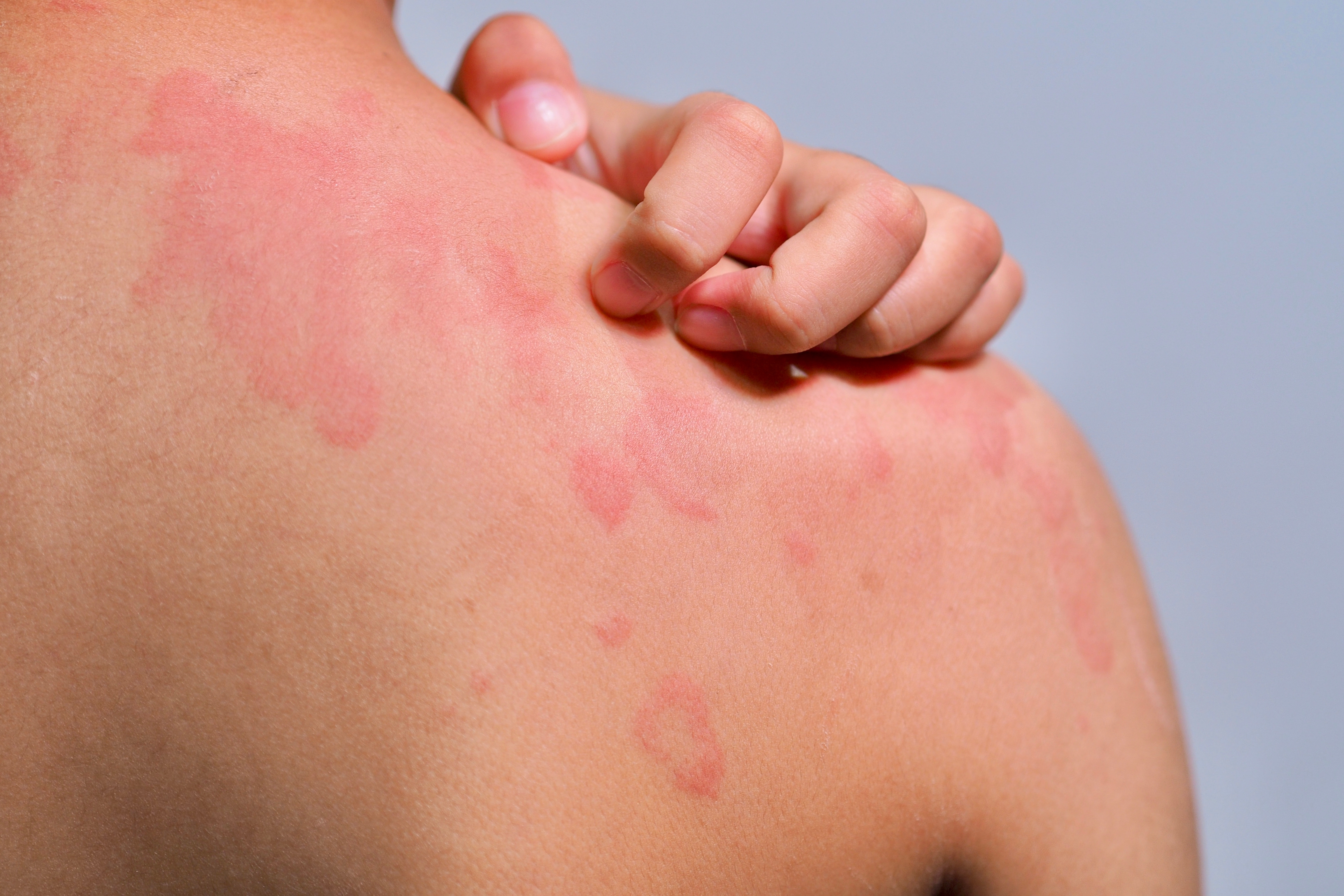
A rash in the groin or buttock area is easy to brush off as an ordinary “jock itch,” until it spreads, itches relentlessly, and refuses to clear with the usual antifungal creams or tablets. That scenario is showing up more often with a newer strain of ringworm called Trichophyton indotineae, which health experts have warned can be harder to treat and easier to pass between people. The tricky part is that it can look like other common skin conditions, so the right test and the right next step matter sooner than most people think.
The Drug-Resistant Ringworm Strain

Trichophyton indotineae (T. indotineae) is a type of dermatophyte fungus in the same family as “ringworm” and jock itch. The key difference is that this strain has emerged over the last decade and is more likely to be severe, difficult to treat, and prone to relapse even in otherwise healthy (immunocompetent) people, according to CDC guidance on drug-resistant dermatophyte infections.
T. indotineae often has genetic mutations that can make it resistant to antifungal drugs, including terbinafine, a common first-line oral therapy. That resistance matters because terbinafine is often the default option when a rash looks like routine tinea. When the drug fails, the infection can persist for weeks or months and may spread beyond the initial area.
This infection most often shows up as a very itchy, red, inflamed rash in the groin, inner thighs, and buttocks. It can also spread to other areas such as the trunk or face. Some cases look different from classic ringworm and can mimic other skin problems. As Imperial College London fungal expert Professor Darius Armstrong-James noted, “It could be easily mistaken for eczema or psoriasis if tests are not conducted.”
Although major outbreaks were first reported in South Asia, the CDC notes that cases have now been identified on multiple continents. Reports also describe rising UK case counts in recent years. The practical point is simple: when a “jock itch” style rash does not improve with standard treatment, it may not be routine tinea, and it may need proper testing and a different treatment approach.
How It Spreads and Why UK Health Teams Are Concerned

T. indotineae spreads mainly from person to person. The most common routes are skin-to-skin contact and contact with shared items that touch skin, such as towels, clothing, bedding, gym gear, and grooming tools. The CDC also notes that rare cases in animals have been documented, and pets may possibly act as a reservoir in some situations. Potential sexual transmission has also been reported, which matters because this infection often involves the groin and buttock region.
In the UK, the growth in identified cases has raised alarms. Reports describe a sharp rise over the past few years, including figures shared at a recent conference showing infections in the UK and Ireland increasing from 44 before 2022 to 258 as of March this year. UK lab surveillance also signals how common this has become in specialist referrals, with T. indotineae making up 38 percent of dermatophyte isolates sent to the UK National Mycology Reference Laboratory.
Travel can be part of the story, but it is not the whole story. People may report travel in the prior few months, or close contact with someone who has travelled to or from South Asia, where outbreaks have been widespread. However, domestic cases without travel history have also been reported, which suggests local transmission can take hold once the fungus enters a community.
One practical challenge is that routine lab methods often cannot distinguish T. indotineae from other common dermatophytes. That means it can spread quietly when it is treated like “standard” tinea and does not respond as expected.
Recognizing It Early and Getting the Right Test

T. indotineae often looks like a bad case of “jock itch,” but it tends to be more intense and persistent than typical tinea. Common signs include a red, itchy, inflamed rash on the groin, inner thighs, and buttocks. Some cases can spread widely and may show unusual patterns rather than a neat ring shape. Pain, skin breakdown, and secondary bacterial infection can happen when the skin stays irritated and damaged for long enough. Scarring has also been reported in more severe cases.
A major reason this fungus keeps spreading is missed diagnosis. The rash can resemble eczema or psoriasis, which leads some people to use topical corticosteroid creams. That can temporarily reduce redness and itch while allowing the fungus to worsen and spread, a pattern described by the CDC as “steroid-modified tinea.”
Testing matters, especially when symptoms do not improve with standard antifungal treatment. A potassium hydroxide (KOH) prep of skin scrapings can confirm a fungal infection in clinic and helps avoid treating the wrong condition. However, routine culture testing used in many labs cannot reliably separate T. indotineae from closely related dermatophytes. Confirming T. indotineae requires specialized methods such as genetic sequencing available in select reference laboratories.
The real-world impact is not just medical. University of Manchester infectious diseases expert Dr David Denning told The Sun, “It is very socially limiting. Some people won’t feel like they can leave the house or go to work. They can become social pariahs.” That is another reason fast diagnosis and effective treatment are important, both for recovery and to reduce spread to others.
Why This Fungus Can Take Weeks (or Months) to Clear

Many T. indotineae infections do not respond to terbinafine, a common first-line antifungal. The CDC notes that this species often has genetic mutations linked to antifungal resistance, including terbinafine resistance. In practice, that means a rash can keep spreading even when someone is taking or applying the medication that usually clears routine ringworm.
Because confirmatory testing can take weeks, clinicians may start treatment based on the combination of rash features, exposure risks, and lack of response to typical therapy, while still confirming fungal infection with an in-clinic KOH prep when possible. Treatment often needs to be longer than people expect. CDC guidance notes therapy may last 6 to 8 weeks and is typically continued until the skin clears at all affected sites and, ideally, a repeat KOH is negative. Longer courses, up to 20 weeks, have been reported, and relapses can occur even after prolonged treatment.
Itraconazole is generally considered a first-line option in guidance when terbinafine fails, but it comes with tradeoffs. The CDC highlights major drug-drug interaction risks due to CYP enzyme effects and a black box warning related to cardiac toxicity. Liver toxicity is also a concern, with symptoms such as jaundice, nausea or vomiting, itch, or rising liver function tests requiring prompt medical attention. Formulation details matter too, because absorption differs between capsules and suspension.
Other antifungals may be considered case by case. Higher-dose terbinafine has worked for some patients, but results are inconsistent and closer monitoring may be needed. Griseofulvin and fluconazole are not considered first-line based on data showing low efficacy in studies from India, though they have been used successfully in select situations. Voriconazole is generally reserved for specialist-guided cases, such as rare itraconazole resistance, due to significant side effects and interactions.
Practical Tips to Lower Risk and Avoid Spreading It

Reducing risk comes down to basic “tinea prevention,” plus a few extra precautions because T. indotineae can spread easily person to person and may not clear with typical treatment.
- Do not share towels, underwear, bedding, razors, or gym clothes.
- Wash clothes, towels, and bedding on hot. Dry on high heat.
- Clean shower and bathroom floors regularly. Use a disinfectant that kills fungal spores (diluted bleach, benzalkonium chloride, or strong detergent).
- Change out of sweaty clothes quickly. Keep the groin area clean and dry.
- Avoid steroid creams on an undiagnosed rash. They can make fungal infections worse.
- If a “jock itch” rash does not improve with standard antifungal treatment, get checked. Ask about a KOH test (skin scraping) to confirm fungus.
- If others in the household have rashes, they should be checked too. If a pet has skin lesions, a vet visit is worth it.
These steps are also helpful during treatment, since relapse and reinfection are common issues with this strain.
Is Your “Stubborn Jock Itch” Something Else?

A groin or buttock rash that keeps coming back, keeps spreading, or does not improve with standard antifungal treatment is not just “stubborn jock itch.” It may need a proper check and a quick skin scraping test (KOH) to confirm it’s actually fungus. If it is fungal and still not responding, it’s worth asking whether drug-resistant strains like T. indotineae are on the radar and whether specialist testing is needed.
While it’s being figured out, treat it like something that can spread. Do not share towels, underwear, or bedding, wash and dry fabrics on high heat, and clean the shower and bathroom floor regularly. These simple steps cut down the chance of passing it around the household or getting it right back after treatment.
