
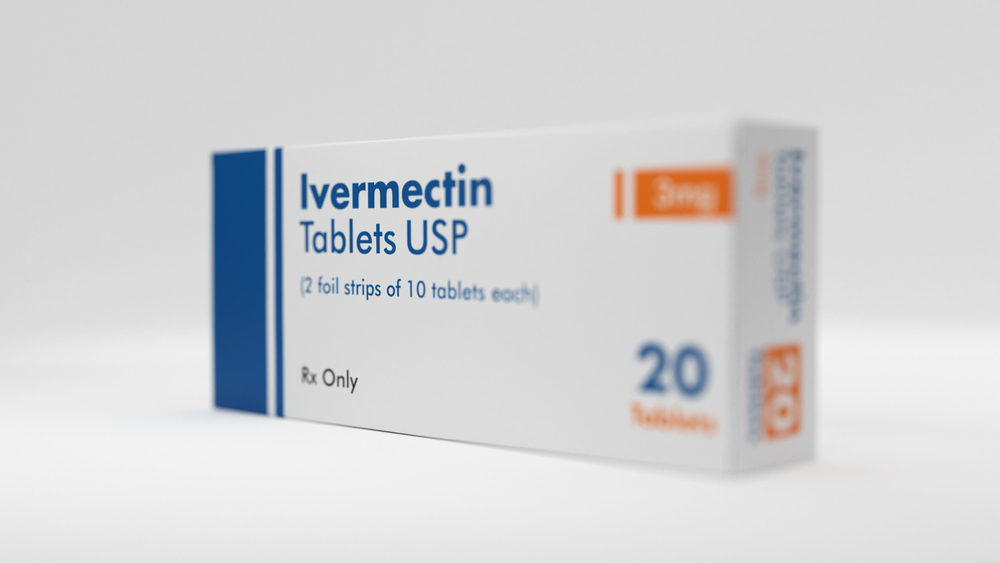
Expanding access to medications is rarely without debate, and the recent move by several U.S. states to make ivermectin available over the counter is no exception. Once a specialized drug mainly used to treat parasitic infections, ivermectin has become a flashpoint in public health discussions particularly following its controversial role during the COVID-19 pandemic. Why are states like Texas allowing people to obtain this medication without a prescription, and what does that mean for patient safety, medical freedom, and public trust? As this policy shift unfolds, it raises crucial questions about how we balance individual choice with the need for reliable medical oversight.
This article explores the changing landscape of ivermectin access, the scientific context behind the drug, and what consumers need to know to make informed decisions.
What is Ivermectin?
Ivermectin is a medication that originally started as a veterinary drug in the 1970s, used to treat parasites in livestock such as cattle, sheep, and horses. It was discovered by Japanese microbiologist Satoshi Ōmura and developed further by Irish parasitologist William C. Campbell. For their work, they were awarded the Nobel Prize in Physiology or Medicine in 2015.
By the mid-1980s, ivermectin began to be used in humans as a safe and effective treatment for parasitic infections like river blindness (onchocerciasis) and lymphatic filariasis, diseases that have affected millions in tropical regions. It works by paralyzing and killing parasites, disrupting their nerve and muscle functions. Today, ivermectin is approved by the U.S. Food and Drug Administration (FDA) for treating various parasitic infections in humans, such as head lice, scabies, and certain intestinal worms. It is included on the World Health Organization’s list of essential medicines due to its impact on global health.
Ivermectin‘s influence is notable: mass drug administration programs have used it extensively to reduce parasitic diseases worldwide, improving the health and quality of life for billions. The drug can be administered orally or topically, depending on the condition being treated.
Despite its proven safety and effectiveness for these parasitic diseases, ivermectin’s role during the COVID-19 pandemic sparked controversy. Early laboratory studies showed some antiviral activity in petri dishes, but these effects were at doses far higher than those safe for humans. Larger clinical trials did not find ivermectin effective for COVID-19 treatment, and major health agencies advise against using it for this purpose outside approved indications.
Recent Legislative Changes on Ivermectin Access

In 2025, Texas became the latest state to pass legislation allowing ivermectin to be sold over the counter (OTC) without a prescription. House Bill 25, sponsored by Republican State Representative Joanne Shofner, passed the Texas House with an 87-47 vote and quickly cleared the Senate before heading to Governor Greg Abbott’s desk, where it is expected to be signed into law. Texas will be the fifth state to enact such a law, joining Arkansas, Idaho, Louisiana, and Tennessee.
The bill permits pharmacists to dispense ivermectin upon request from behind the counter, similar to how other medications like pseudoephedrine are handled. It does not place ivermectin directly on pharmacy shelves but eliminates the need for a doctor‘s prescription. This move aims to improve access in rural communities and urban areas where individuals may find it harder to see a healthcare provider. Supporters argue that pharmacists can provide proper guidance on the drug’s use, maintaining safe dispensing practices.
Governor Abbott prioritized ivermectin access during the special legislative session in response to growing public demand, as evidenced by thousands of petition signatures from Texans urging expanded access. The bill also includes legal protections shielding pharmacists from liability if they follow the state’s dispensing protocols. These protocols require pharmacists to counsel patients about possible side effects such as nausea, dizziness, and skin rash.
The legislation has sparked partisan debate. Proponents frame it as an issue of medical freedom and patient autonomy. Critics, including many Democratic lawmakers and medical professionals, raise concerns about safety, misuse, and inadequate oversight without a doctor’s involvement. The bill does not set age limits for purchasers, which opponents say leaves children vulnerable.
Texas’s law reflects a growing trend of state-level decisions challenging federal authorities like the FDA, which continues to recommend ivermectin only for its approved parasitic uses. With this law, Texas joins a small but notable group of states reshaping access to ivermectin amid ongoing debates about public health and individual rights.
The Debate: Medical Freedom vs. Public Health Concerns

The move to allow over-the-counter access to ivermectin has ignited a heated debate between advocates for medical freedom and those prioritizing public health safeguards. Supporters of legislation like Texas’s House Bill 25 argue that adults should have the right to choose medications for themselves, especially in rural or underserved areas where doctor visits may be difficult or costly. Representative Joanne Shofner emphasized that ivermectin is a safe, affordable drug with longstanding use for parasitic infections worldwide, and restricting access limits patient autonomy. Proponents say pharmacists are capable of counseling patients properly on safe use, and removing prescription barriers increases healthcare access.
Opponents, including many Democratic lawmakers and medical professionals, counter that bypassing doctors risks unsafe use, potential side effects, and harmful drug interactions. The FDA warns that even approved ivermectin doses can cause serious adverse effects such as nausea, dizziness, allergic reactions, and, at high doses, seizures or coma. The lack of age restrictions in bills like HB 25 raises concerns about children accessing the drug unsupervised. Critics stress that the drug is FDA-approved only for specific parasitic diseases and not for off-label uses like COVID-19 treatment an application that fueled its popularity despite insufficient scientific support. They worry that easier OTC availability will increase misuse and deter people from seeking professional medical advice for serious conditions.
Pharmacists also face challenges in this debate. While they are positioned as frontline advisers under the new laws, some pharmacists fear liability and the complexity of managing appropriate dosing and drug interactions without doctor oversight. The Texas State Board of Pharmacy notes pharmacists may refuse to fill ivermectin prescriptions if they suspect safety issues.
Ivermectin and COVID-19: What Science Says

During the early stages of the COVID-19 pandemic, ivermectin drew public attention as a potential treatment. Initial laboratory studies, such as one from Australia in 2020, demonstrated that the drug could inhibit the coronavirus in petri dishes. However, these studies used concentrations much higher than those considered safe for humans, making the findings not directly applicable to clinical use.
Large-scale clinical trials and rigorous scientific reviews that followed did not find convincing evidence that ivermectin effectively prevents or treats COVID-19. Health authorities including the U.S. Food and Drug Administration (FDA) and the Centers for Disease Control and Prevention (CDC) have consistently advised against using ivermectin for COVID-19 outside approved clinical trials. They warn that taking doses higher than recommended can lead to serious side effects, including nausea, vomiting, low blood pressure, neurological problems, and in rare cases, death.
Despite these warnings, the drug gained widespread popularity on social media and among groups skeptical of mainstream medical guidance. This led to increased demand and misuse, often involving veterinary formulations not intended for human use, which carry serious safety risks.
Medical experts emphasize that vaccines, authorized antiviral drugs, and other evidence-backed treatments remain the primary tools for managing COVID-19. Ivermectin continues to be used safely for its FDA-approved parasitic treatments but should not be seen as a substitute for scientifically validated COVID-19 therapies.
Balancing Autonomy and Safety

Allowing ivermectin to be sold over the counter brings into focus the ongoing challenge of balancing individual autonomy with public safety. On one hand, expanding access respects patients’ rights to make their own healthcare choices without unnecessary gatekeeping. This is particularly important in rural or underserved areas where healthcare access is limited and pharmacists can serve as accessible health advisors. Proponents argue that medical freedom is a vital part of health decision-making.
On the other hand, ivermectin is a potent medication with known side effects ranging from mild symptoms like dizziness and nausea to serious reactions including neurological issues and severe allergic responses. The drug can interact with other medications and must be used with caution, especially in vulnerable populations such as children, pregnant women, or those with other health conditions. The FDA warns against unsupervised use and stresses the importance of medical oversight to prevent misuse or accidental overdose.
Pharmacists, while positioned to advise patients and manage safe dispensing under the new laws, may face difficulties in fully assessing individual risks without access to complete medical histories. The removal of doctor involvement raises concerns about patient safety and monitoring, especially since ivermectin’s safety profile includes rare but serious effects like seizures and coma.
This situation reflects a broader tension in healthcare between empowering individuals to access treatments freely and ensuring expert guidance to mitigate risks. The decision to allow OTC ivermectin underscores evolving ideas about healthcare governance, patient autonomy, and the distribution of responsibility among doctors, pharmacists, regulators, and patients. It calls for robust education, clear communication, and vigilant monitoring to safely navigate these trade-offs.
How to Use Ivermectin Safely

If ivermectin is now available over the counter, it’s important to use it safely and effectively. Here are some practical tips for consumers:
- Talk to your pharmacist: When requesting ivermectin, ask the pharmacist to explain the appropriate dosage, possible side effects, and any warnings. Pharmacists can provide guidance on how to take the medicine safely.
- Follow dosage instructions carefully: Ivermectin dosing depends on your weight and the condition being treated. Taking too much can cause serious side effects like nausea, dizziness, or more severe reactions. Avoid guessing or adjusting doses on your own.
- Never use veterinary ivermectin: The formulations intended for animals are not safe for human consumption and can cause poisoning. Only use ivermectin products specifically labeled for human use.
- Know the potential side effects: Common side effects include stomach upset, dizziness, skin rash, and fatigue. If you experience severe reactions like difficulty breathing, seizures, or fainting, seek emergency medical help immediately.
- Avoid self-medicating for unapproved uses: Ivermectin is FDA-approved for treating certain parasitic infections but not for COVID-19 or other conditions unless prescribed by a doctor. Always consult a healthcare professional for diagnosis and treatment advice.
- Do not share medication: Ivermectin should be taken only by the person for whom it is intended. Sharing or using leftover medication can be unsafe.
- Store medication properly: Keep ivermectin in its original container, tightly closed, and out of reach of children. Store it at room temperature away from moisture and heat.
- Seek medical advice if needed: Even if you purchase ivermectin OTC, contact a healthcare provider if symptoms persist or worsen, or if you have underlying health conditions that might affect safe use.
What Ivermectin OTC Access Means
Texas joining other states in allowing over-the-counter access to ivermectin marks a significant shift in how medications and medical choice itself are regulated. The decision reflects growing public demand for greater autonomy in health decisions, especially in areas with limited healthcare access. However, it also highlights the ongoing need to safeguard public health through responsible use, oversight, and science-based guidance.
Ivermectin has a proven record as a safe and effective antiparasitic drug, but its popularity and controversial use during the COVID-19 pandemic underscore the importance of distinguishing evidence from anecdote. As more states embrace OTC access, clear communication, education, and careful monitoring will be key to ensuring that this expanded access supports patient well-being rather than risking misuse.
Ultimately, the conversation about ivermectin taps into broader questions about healthcare governance in the U.S. how to balance individual rights with collective safety, empower patients while preserving medical expertise, and navigate the evolving roles of pharmacists, doctors, and regulators. This evolving landscape is part of a larger dialogue that will shape the future of medicine, trust, and choice.
