

Each August, the Perseid meteor shower returns, drawing both seasoned stargazers and casual skywatchers outside to look up. Known for its high number of bright meteors, the Perseids are one of the most reliable celestial events of the year. But beyond the spectacle, there’s science in the colors that streak across the sky. Those flashes of yellow, green, red, or violet are not random—they reveal the elements that make up the tiny fragments hitting Earth’s atmosphere at incredible speeds. Understanding what those colors mean turns a night of skywatching into a glimpse of the chemistry of comets and the history of our solar system.
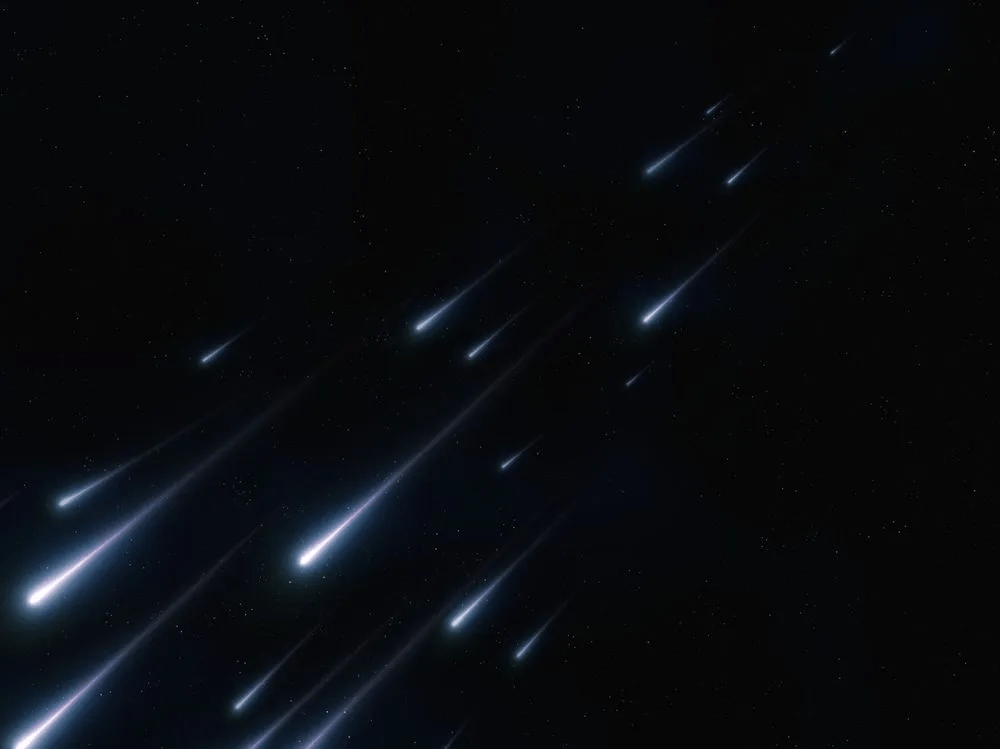
Why Meteors Glow in Different Colors
When a meteor streaks through the sky, the light you see comes from more than just a rock burning up. The streak happens because dust or small fragments from space hit Earth’s atmosphere at very high speeds. The impact creates friction that heats both the particle and the surrounding air to thousands of degrees, producing a burst of light. The color of that light depends on which atoms are being energized. Just like in a chemistry lab’s flame test—where sodium burns yellow and copper burns green—different elements in the meteor emit different shades when heated to such extremes.
Meteors are not made of a single element, but if one dominates, its color can be visible to the naked eye. Iron often gives off a yellow-orange glow, sodium contributes an orange-yellow that can be hard to distinguish from iron, and magnesium produces a blue-green streak. Calcium, which normally glows red-orange in a lab flame, appears violet in meteors because the calcium atoms are ionized under those conditions. Even within a single element like iron, the color depends on its chemical state: in space it most often appears orange-yellow. These subtle differences explain why two meteors can look so different even if they come from the same shower.
The atmosphere also plays an important role. Oxygen atoms heated by the meteor can create a brief green flash, while nitrogen and oxygen together give slower meteors a reddish glow. Whether the meteor’s minerals or the atmosphere dominate the color largely depends on speed. Fast-moving meteors tend to display the hues of their mineral makeup, while slower ones show more red tones from the heated air. This is why a single meteor shower can display a wide palette of colors even though the dust particles come from the same parent comet or asteroid.
For the casual stargazer, the colors add to the spectacle. For scientists, they offer a window into the chemistry of space dust without needing to capture it. Each streak is a fleeting sample of a comet or asteroid’s material, revealed in a split second of light.
What Meteor Showers Reveal About Comets
Meteor showers like the Perseids aren’t random events. They occur when Earth passes through the trail of debris left behind by a comet. In the case of the Perseids, the parent body is Comet Swift-Tuttle, which orbits the Sun once every 133 years. As the comet travels, it sheds dust and small particles along its path. Each August, Earth crosses this stream of material, and those particles hit the atmosphere at speeds over 130,000 miles per hour. The result is a predictable display of meteors, many of them colorful enough to study in detail.
For scientists, meteor showers are an opportunity to analyze the composition of comets without needing to send a spacecraft. The colors of Perseid meteors, for example, reflect the presence of elements like magnesium, nickel, calcium, and iron in the parent comet’s dust. Observing dozens or even hundreds of meteors from the same shower allows researchers to build a clearer picture of what the comet is made of. This can help confirm or refine what missions like ESA’s Rosetta spacecraft discovered when it studied Comet 67P/Churyumov-Gerasimenko up close.
Meteor showers also provide insight into how comets evolve. Over time, radiation from the Sun changes the chemistry of their surfaces, while impacts and heating alter their composition. By comparing showers from different comets, astronomers can see how these changes are reflected in the chemical “fingerprints” visible in meteor colors. In this way, what may seem like a simple sky show is actually a valuable scientific data set.
The Perseids are not the only example. The Geminids, associated with the asteroid 3200 Phaethon rather than a comet, are known for producing greenish-blue meteors due to high magnesium and nickel content. Comparing these different showers gives scientists clues about the origins of the objects that populate our solar system, as well as the processes that continue to shape them.
A Guide to Meteor Colors and Their Elements
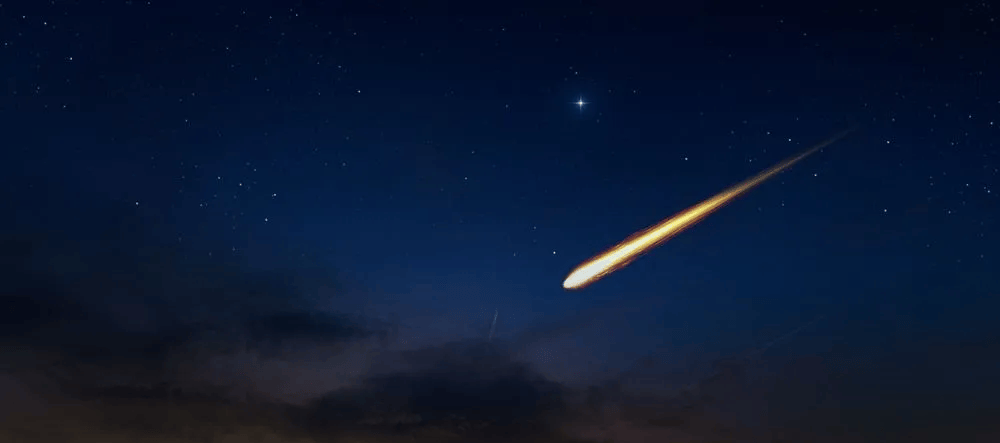
For anyone watching a meteor shower, knowing what the colors mean can make the experience even more engaging. A bright yellow-orange meteor usually points to iron, one of the most common elements found in both meteors and meteorites. If the streak is a vivid orange-yellow, sodium may be contributing to the glow, especially if the meteor is particularly bright. Magnesium-rich meteors often appear blue-green, standing out sharply against the night sky. Violet hues, though less common, indicate calcium in an ionized state.
The atmosphere’s contribution is equally important to recognize. When oxygen atoms around the meteor heat up, they can emit a striking green flash, especially in brighter meteors known as fireballs. Nitrogen and oxygen together create red tones, which are most noticeable in slower meteors where the heated air dominates over the minerals in the space dust. This explains why some meteors appear reddish even when their mineral composition might suggest otherwise.
Brighter meteors sometimes leave glowing trails, or trains, that persist for several seconds to minutes. These afterglows can shift in color depending on the elements left behind. Sodium and iron oxides interacting with oxygen and ozone in the air can produce visible trails that last much longer than the meteor itself. In extreme cases, these trains have been recorded for up to half an hour, continuing to reveal chemical interactions long after the meteor has burned away.
Understanding these connections adds depth to watching a shower. Instead of simply seeing streaks of light, you’re witnessing chemistry in action—each flash a direct signal from elements common in comets, asteroids, and even the early building blocks of planets.
Tips for Watching the Perseids
The Perseids are among the most popular meteor showers of the year because they combine brightness, frequency, and timing. They peak in mid-August, when summer nights are warm and skies are often clear in the Northern Hemisphere. To see them best, find a location away from city lights where the horizon is wide and unobstructed. The meteors will appear to radiate from the constellation Perseus, but looking directly at that point isn’t necessary—meteors can streak across any part of the sky.
Give your eyes at least 20 minutes to adjust to the darkness. Avoid checking your phone or using bright flashlights, as this resets night vision and makes faint meteors harder to spot. A reclining chair or blanket can make it easier to watch for long stretches without straining your neck. If possible, bring a friend or two and spread out your viewing directions; this way, you can catch more meteors and compare what you see.
Patience is important. While the Perseids can produce dozens of meteors per hour at their peak under dark skies, there can be long gaps followed by bursts of activity. Some of the most spectacular events are fireballs—exceptionally bright meteors that can leave glowing trails or show vivid colors. Being outside for at least an hour gives you the best chance of witnessing these rare highlights.
Finally, consider keeping notes or even recording what colors you observe. While professional scientists use specialized equipment, casual observers can still contribute valuable data through citizen science projects. Reporting what you see helps build a collective record that complements more technical studies.
Why Meteor Colors Matter
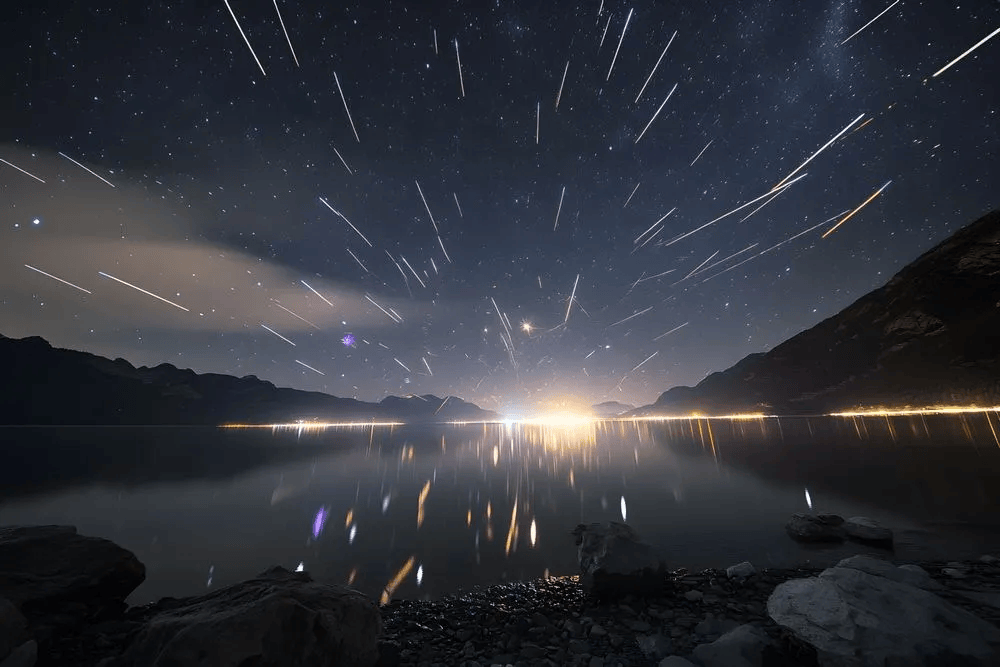
For casual skywatchers, meteor colors add beauty and variety to an already stunning event. But for scientists, they are a key to understanding what comets and asteroids are made of and how they change over time. Each streak of light is a natural experiment, recreating in Earth’s atmosphere the same kind of high-energy conditions that shaped the early solar system. By paying attention to the colors, researchers can learn about the distribution of elements like magnesium, iron, and calcium in objects far beyond our reach.
Meteor showers are also reminders of how interconnected observation and science can be. A Perseid seen from a backyard might be part of the same cometary stream that scientists analyze to answer big questions about the solar system’s history. This makes meteor watching one of the few ways ordinary people can directly experience the raw materials of space while knowing their observations align with active research.
For those who step outside this August, the Perseids are more than entertainment. They’re a chance to connect what you see with what science knows: every color, every streak, is a brief signal from space. The takeaway is simple—watching carefully, and perhaps noting what you see, can transform a night of stargazing into an appreciation of the chemistry and history written in light across the sky.
