
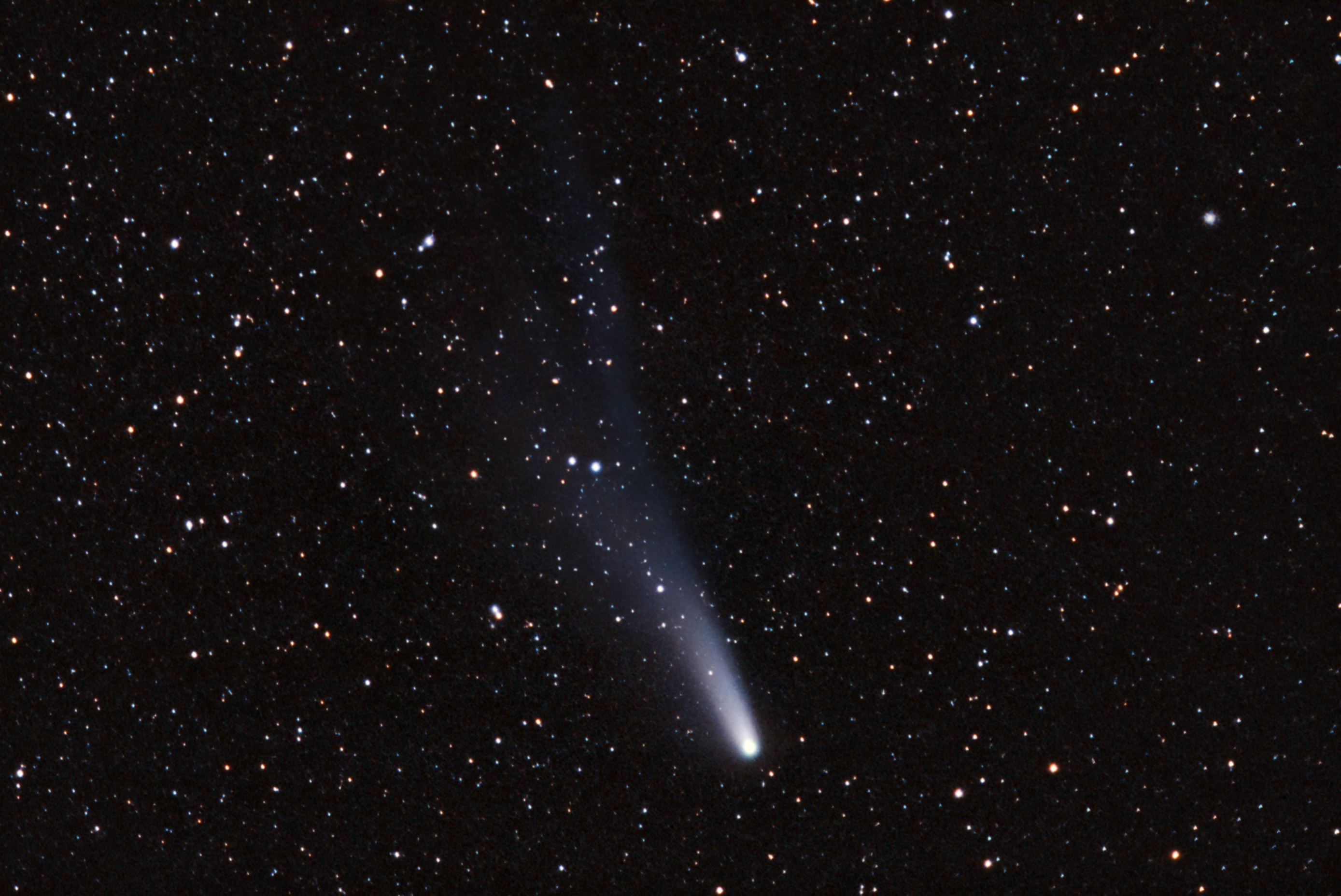
Mark your calendars! The Eta Aquarid meteor shower, one of the most anticipated celestial events of the year, is set to peak on the 5th and 6th of May, 2025. This dazzling display in the night sky is courtesy of none other than Halley’s Comet, a cosmic visitor that has captured the imagination of astronomers and stargazers for centuries. Known for its speed and fiery streaks, the Eta Aquarids promise to be a spectacle you won’t want to miss.
While Halley’s Comet won’t be visible to the naked eye in 2025 (its next appearance won’t be until 2061), its legacy lives on in the meteor shower. As Earth passes through the debris trail left by this famous comet, it rains fiery meteors across our skies, lighting up the night in a thrilling cosmic show. Whether you’re a seasoned skywatcher or a casual observer, now is the time to prepare for one of the most incredible natural light displays of the season.
What Is the Eta Aquarid Meteor Shower?

The Eta Aquarids are a meteor shower that occurs every spring when Earth passes through the debris trail left behind by Comet 1P/Halley. As Halley’s Comet orbits the Sun, it sheds dust and ice particles into space. Each year, Earth moves through this trail of cosmic debris, and when these particles enter our atmosphere at high speeds, they burn up, creating the bright streaks of light we see as meteors. This interaction between the comet’s debris and Earth’s atmosphere is what gives us the spectacular Eta Aquarids.
What sets the Eta Aquarids apart from other meteor showers is their speed. These meteors travel at an incredible 40.7 miles (65.4 kilometers) per second, which is fast enough to create fiery streaks that can leave behind glowing trails, or “meteor trains,” that last for several seconds. This speed and intensity of the meteors create a stunning visual effect, often leaving a lasting impression on those lucky enough to witness it.
The Eta Aquarid meteors are part of the debris that Halley’s Comet has left in its wake over centuries of orbiting the Sun. While the comet itself won’t be visible in 2025 (its next appearance will be in 2061), the annual meteor shower continues to offer a spectacular display that connects us to this famous comet. Whether you’re a seasoned astronomer or a first-time skywatcher, the Eta Aquarids are a must-see event that brings a piece of cosmic history into view every May.
When and Where to See the Eta Aquarids

The Eta Aquarids will peak on the 5th and 6th of May, 2025, providing the best chance to witness this stunning display. While the meteor shower is active from April 20 to May 21, the most intense period occurs around the peak dates, with the most meteors visible in the hours just before dawn. If you’re in the Southern Hemisphere, you’ll have the best viewing conditions, as the radiant—where the meteors appear to come from—is higher in the sky. In the Southern Hemisphere, stargazers may see up to 30 meteors per hour during the peak.
For those in the Northern Hemisphere, the meteor shower is still visible, though you may see fewer meteors. On a clear night with minimal light pollution, observers in northern regions can expect to spot about 10 meteors per hour. The key is finding a dark sky, away from city lights, to increase your chances of seeing more meteors. The radiant, located in the constellation Aquarius, will be visible in the southeastern sky, especially before dawn.
Timing is crucial when viewing the Eta Aquarids. The best time to catch the meteors is in the early hours before dawn, when the sky is darkest. Set yourself up in an area far from light pollution, and give your eyes about 30 minutes to adjust to the dark for optimal viewing. Whether you’re in the Southern or Northern Hemisphere, the Eta Aquarids offer a breathtaking experience for all who seek it under the night sky.
How to Get the Best View of the Meteor

To truly experience the magic of the Eta Aquarid meteor shower, the right location is essential. You’ll need to be far from light pollution, which means city lights or streetlights can significantly reduce your chances of seeing the meteors clearly. Ideally, you should seek out rural areas or open fields where the night sky remains unspoiled.
Popular spots for stargazing include national parks, mountaintops, or any remote, open spaces that offer an unobstructed view of the sky. Even small towns on the outskirts of larger cities can sometimes provide good viewing spots, provided there are no streetlights around.
Quick Tips for the Best Viewing Experience:
- Find a dark spot: Choose a location away from city lights or any source of light pollution (e.g., national parks, rural areas, mountaintops).
- Get comfortable: Bring a sleeping bag, blanket, or lawn chair to lie back and fully enjoy the view.
- Position yourself right: Face east to see the radiant rise from the constellation Aquarius. Look about 45 degrees away from the radiant for the best meteor trails.
- Allow time for eye adjustment: Give your eyes about 30 minutes to adjust to the dark so you can fully take in the meteors.
- Be patient: Expect quick flashes from the meteors—be ready to stay patient as they can appear rapidly in the sky.
- Bring a friend: Meteor showers are always more fun when shared—bring a friend or family member to enjoy the experience together.
Once you’ve set up in the perfect location and made yourself comfortable, the next step is to focus on the experience itself. The Eta Aquarids are fast—they travel at speeds of 40.7 miles per second—so be prepared for quick flashes of light as the meteors streak across the sky. It’s common to see several meteors in a short time during the peak hours. However, these meteors burn up quickly in the atmosphere, so patience is key. Take your time, enjoy the serenity of the night, and remember that the show will continue until dawn, giving you plenty of time to catch the best glimpses of this incredible celestial event.
The Science Behind the Show – What Happens When Meteors Burn Up?

The Eta Aquarids offer not only a visually stunning display but also a fascinating scientific phenomenon. When meteors from Halley’s Comet enter Earth’s atmosphere at speeds of 40.7 miles per second, they undergo a process called ablation. As these meteoroids collide with the air molecules, they heat up and burn brightly, creating the streaks of light we see as meteors. This process occurs at such high speeds that the meteors often vaporize entirely before reaching the Earth’s surface.
The meteors you see during the Eta Aquarid shower are remnants of Halley’s Comet, which sheds dust and debris as it travels through the solar system. These tiny particles, once part of the comet, enter Earth’s atmosphere, and as they burn up, they leave behind glowing trails that last for just a few seconds. The speed and intensity of the Eta Aquarids are what make them one of the most exhilarating meteor showers of the year. The fast-moving meteors are responsible for the impressive trails, which often linger in the sky for several moments.
Quick Meteor Science Facts:

- Meteor speed: The Eta Aquarids travel at speeds of 40.7 miles per second, creating brilliant flashes in the sky.
- Ablation process: As meteors enter the atmosphere, the heat generated from friction with the air causes them to burn up, producing the streak of light.
- Duration of trails: Meteor trails (glowing streaks) can last anywhere from a few seconds to a minute depending on the size and speed of the meteor.
- Meteor shower origins: The meteors come from debris left behind by Halley’s Comet, which sheds particles during its orbit around the Sun.
While meteor showers like the Eta Aquarids are visually captivating, they also offer insight into the composition of comets. The dust and ice particles that make up these meteors provide astronomers with valuable data about Halley’s Comet. By studying the size, speed, and nature of the particles that burn up, scientists gain clues about the history and makeup of this ancient comet, which has been orbiting the Sun for centuries.
Don’t Just Look Up — Tune In

The Eta Aquarid meteor shower is more than just a light show in the sky; it’s an incredible reminder of our connection to the vastness of the universe. As Halley’s Comet continues its long journey through the solar system, we can still marvel at its legacy every year through these dazzling meteor showers. This is your chance to witness fragments of a comet that has fascinated astronomers and stargazers for centuries, lighting up the night sky in a cosmic display.
So, mark your calendars for May 5th and 6th, 2025, and don’t miss the opportunity to experience one of nature’s most spectacular events. Whether you’re a seasoned skywatcher or someone looking for a new way to connect with the wonders of the universe, the Eta Aquarids offer a perfect moment to step outside, look up, and embrace the beauty of the night sky.
Gather your friends, find a dark spot, and let the stars guide you. Share the experience with others, and remember: the night sky is a reminder that some things are beyond our control, yet they are meant to be enjoyed. Take this moment to wonder, share, and connect with something much bigger than ourselves.
