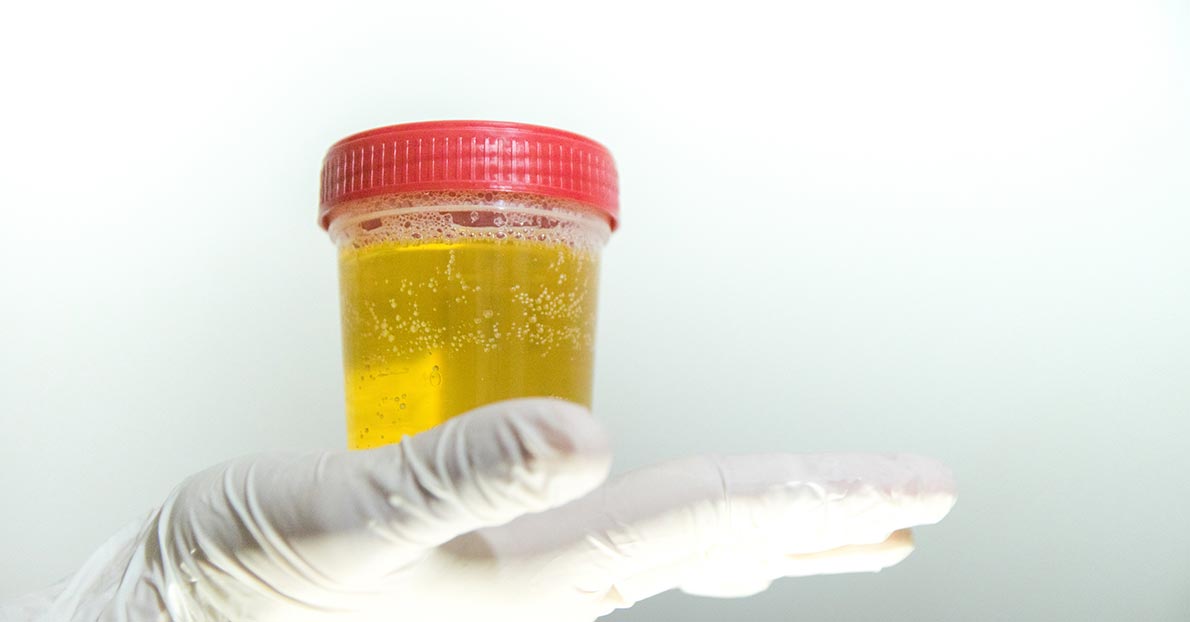
What if one of the most powerful tools for detecting deadly cancer wasn’t tucked away in a lab but in your bathroom? Every day, the human body discards a stream of chemical signals in urine, most of them ignored. But now, scientists have learned how to decode those signals to spot two of the most dangerous cancers pancreatic and prostate before they show any symptoms.
Pancreatic cancer is often diagnosed so late that only 12% of patients survive five years. Prostate cancer, while more treatable, is plagued by unreliable screening methods that lead to false alarms and unnecessary procedures. Early detection remains the critical missing link.
Now, a simple urine test powered by nanotechnology and artificial intelligence may change everything. With accuracy rates as high as 99%, this new approach could offer a faster, easier, and far more precise way to detect cancer when it’s still treatable. And it might be closer to real-world use than most people realize.
Why Early Detection Matters
Early detection isn’t just helpful it’s lifesaving. For pancreatic and prostate cancer, catching the disease at stage I instead of stage IV can mean the difference between successful treatment and limited options.
Pancreatic cancer is especially lethal because it grows quietly. Located deep in the abdomen, it rarely causes symptoms in the early stages. By the time signs like jaundice or abdominal discomfort appear, the cancer has often spread. That’s why survival rates remain so low only about 12% of patients live beyond five years after diagnosis. Even more concerning is the rising incidence in younger populations, particularly Black women under 55, where case rates are climbing by more than 2% annually.

Prostate cancer, while generally more treatable, still faces a different kind of problem: poor screening accuracy. The PSA blood test, which has been the standard for decades, often flags benign conditions or slow-growing cancers that would never have caused harm. This leads to unnecessary biopsies, overdiagnosis, and treatment-related side effects like incontinence or impotence.
Delays in diagnosis whether due to subtle symptoms or flawed tests carry real consequences. When cancer is found early, it’s often confined to one area, making it easier to remove or target with treatment. Once it spreads, options become more aggressive, outcomes worsen, and treatment costs skyrocket.
Effective early detection tools are essential not just for saving lives, but for reducing the physical, emotional, and financial toll on patients. And that’s why a reliable, noninvasive test one that works before symptoms start is more than just a medical innovation. It’s a practical solution to a longstanding gap in cancer care.
What Makes Urine a Powerful Diagnostic Tool

Urine is often dismissed as biological waste, but to scientists, it’s a concentrated source of diagnostic information. It reflects real-time changes in the body’s metabolism capturing shifts caused by disease, including cancer, often before symptoms appear.
When cancer develops, it alters normal cellular activity. These disruptions produce unique molecular byproducts metabolites, microRNAs, and proteins that are eventually filtered into urine. Unlike blood, which tightly regulates its internal environment, urine captures a wider range of biochemical signals. It’s also far easier to collect, painless, and doesn’t require a clinic or specialist.
Until recently, this potential was underused. Detecting cancer-specific molecules in urine required complex tools like mass spectrometry accurate but too slow and expensive for routine screening. That’s now changed. Researchers have developed advanced test strips made with 3D plasmonic nanostructures gold-coated, coral-like surfaces that amplify cancer-related molecules using a technique called Surface-Enhanced Raman Scattering (SERS). These nanostructures act like tiny antennas, picking up faint cancer signals and making them readable without dyes or extra prep.
In parallel, scientists have identified distinct microRNA patterns in urine from cancer patients. These short RNA strands, once isolated from extracellular vesicles in urine, can be analyzed by machine learning models to flag cancer with impressive accuracy. For early-stage pancreatic cancer, this method achieved 97% sensitivity far outperforming traditional markers like CA19-9.
For prostate cancer, researchers used AI to analyze thousands of tumor cells and map disease-specific protein patterns. They validated these markers across urine samples from nearly 2,000 patients. The result: a set of urine biomarkers that surpassed PSA testing in both accuracy and reliability.
Together, these innovations make urine more than just a convenient sample. It’s now a serious contender in the future of cancer diagnostics rich in data, accessible to all, and ready for real-world use.
The Science Behind the New Test

At the core is a technique called Surface-Enhanced Raman Scattering (SERS). Researchers created a special nanostructure gold-coated, coral-like formations printed onto paper strips. These 3D plasmonic surfaces act like signal amplifiers. When a drop of urine is applied, molecules linked to cancer produce distinct vibrational patterns. The SERS technology magnifies these signals, making them easier to detect and analyze.
But identifying signals isn’t enough. Interpreting them accurately is where artificial intelligence takes over. Scientists trained deep learning models including convolutional and recurrent neural networks to recognize the molecular fingerprints of prostate and pancreatic cancers. These models learn from thousands of data points, identifying subtle patterns too complex for human eyes. In trials, this AI-assisted SERS method reached up to 99% accuracy in distinguishing cancer-positive samples from healthy ones.

A separate method targets microRNAs (miRNAs), which are short RNA sequences that regulate gene expression. Cancer alters the composition of these miRNAs, and those changes are reflected in urine. Researchers isolated miRNAs from extracellular vesicles and used machine learning models like support vector machines to classify samples. The result: a 97% sensitivity rate for detecting early-stage pancreatic cancer.
For prostate cancer, a global team developed digital tumor models by analyzing mRNA expression across thousands of tumor cells. They mapped these expressions to specific cancer grades and locations, identifying protein biomarkers that showed up in urine. These markers not only confirmed the presence of cancer but also indicated its severity offering a much-needed improvement over the PSA blood test.
This isn’t theoretical. These tests have already been validated in patient samples, showing strong potential for use in clinical settings. And they’re fast, inexpensive, and noninvasive setting the stage for broad adoption in everyday healthcare.
What This Means for Patients and the Future of Testing

For patients, this breakthrough isn’t just about technology it’s about changing the experience of cancer care entirely. A simple urine test that can detect pancreatic or prostate cancer with over 97% accuracy brings early detection out of the hospital and into everyday life.
Imagine replacing anxiety-inducing PSA tests or invasive biopsies with a painless, five-minute urine sample at home. That’s the direction this science is heading. These tests have the potential to be integrated into routine checkups, pharmacy visits, or even smartphone-linked home kits. No needles. No scans. No waiting for symptoms to force action.
Early and accurate diagnosis means treatment can begin when cancer is still localized and more responsive to therapy. For pancreatic cancer, which is usually caught too late, that alone could change survival outcomes on a national scale. For prostate cancer, these tests could drastically reduce the number of men undergoing unnecessary biopsies and treatments cutting back on the physical and emotional burden of false alarms.
There’s also broader public health potential. Urine-based screening could be deployed in remote or underserved areas where imaging tools or specialists are hard to access. The cost is lower, the sample collection is simple, and the results are fast. That makes large-scale, population-level cancer screening more feasible than ever before.
Beyond prostate and pancreatic cancers, researchers are already testing this technology on other diseases lung, colorectal, ovarian. If successful, the same test strip or platform could one day screen for multiple cancers at once, giving people a regular, affordable way to stay ahead of life-threatening illness.
What You Can Do Now

While these urine-based cancer tests are still moving through clinical trials, there are steps you can take right now to stay ahead of prostate and pancreatic cancer risks.
1. Talk to your doctor about early detection options.
If you’re over 50, or have a family history of cancer, bring up screening even if you feel fine. For prostate cancer, that might still include a PSA test, but it’s also worth asking about upcoming alternatives. Staying informed helps you make better decisions.
2. Know your risk factors.
Prostate cancer risk increases with age, especially for men over 65, and it’s more common among Black men. Pancreatic cancer risk goes up with smoking, obesity, diabetes, chronic pancreatitis, and family history. If any of these apply to you, ask your doctor about monitoring strategies.
3. Don’t ignore vague or persistent symptoms.
Pancreatic cancer often causes nonspecific symptoms like digestive discomfort, weight loss, or jaundice. If you experience unusual changes that persist, get checked. Early-stage cancers rarely scream they whisper. Pay attention.
4. Support noninvasive testing in your healthcare system.
Breakthroughs in diagnostics won’t help unless they’re made available. Advocate for coverage of less invasive, more accurate tools. This includes urine-based tests and AI-powered diagnostics that reduce unnecessary procedures.
5. Follow the research.
Clinical trials are ongoing, and new tests could become available sooner than expected. Trusted sources like the American Cancer Society or your local cancer institute often share updates on emerging tools and how to access them.
Act Sooner, Live Longer
Cancer doesn’t wait and neither should detection. The development of urine-based tests for pancreatic and prostate cancer marks a turning point in how we find and fight these diseases. By making early diagnosis faster, more accurate, and far less invasive, these tools are redefining what’s possible in routine care.
This technology isn’t a distant promise it’s here, being tested, refined, and prepared for wider use. When integrated into daily healthcare, it could save thousands of lives simply by finding cancer when it’s still treatable. It also has the power to cut down on unnecessary biopsies, reduce healthcare costs, and bring life-saving diagnostics to people who might otherwise go without them.
The key now is awareness and action. Pay attention to your health, stay informed about new tools, and support efforts to make early detection more accessible. One painless test could mean the difference between catching cancer early or not at all. And when that test is as simple as a urine sample, the barrier to taking control of your health gets a whole lot smaller.