
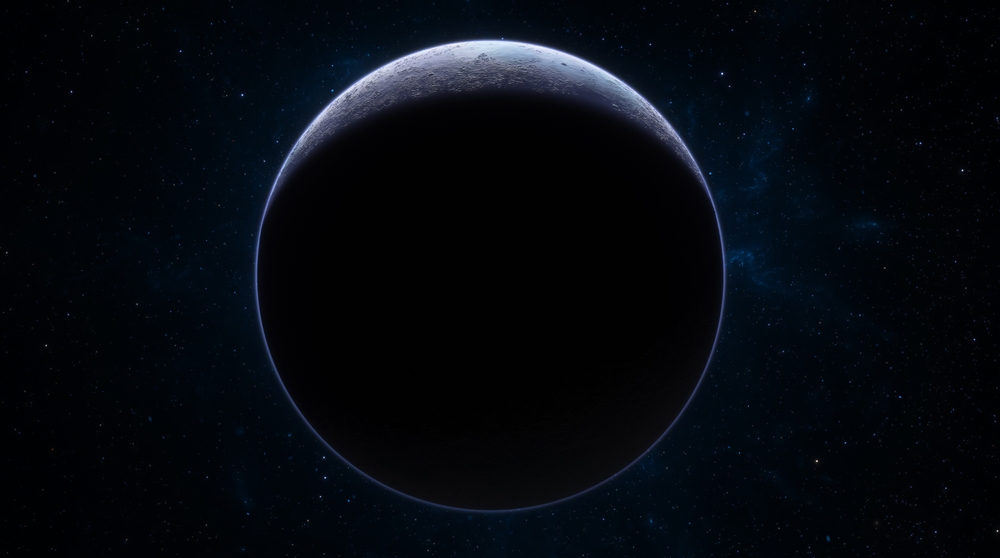
On September 7–8, a total lunar eclipse will unfold, turning the moon a deep red and drawing the gaze of more than six billion people around the world. While this is first and foremost an astronomical phenomenon, eclipses have long carried meaning for human health, both physical and mental. From the way light cycles influence our sleep to the ways communal stargazing can ease stress and foster connection, this event is more than a sky show. It’s also a chance to pause, reflect, and realign with natural rhythms that too often go unnoticed in the pace of modern life.
Science explains how the eclipse happens—Earth’s shadow passing over the moon—but what matters for health is how we choose to engage with it. An eclipse can provide an opportunity to recalibrate habits, rethink daily stressors, and even support mental clarity. By viewing this cosmic event not just as spectacle but as practice, we open ourselves to lessons in balance, rest, and inner alignment.

Understanding the Eclipse as a Rhythmic Reset
Every living organism, from humans to the smallest bacteria, is tuned to cycles of light and dark. These circadian rhythms govern sleep, hormone release, digestion, and mood. A lunar eclipse is not long enough to disrupt these rhythms directly, but it is long enough to draw attention to the power of cycles themselves. The slow dimming of the moon into shadow mirrors the body’s own need for withdrawal and restoration, while its reemergence into light reflects the renewal we experience after rest.
This September’s eclipse, with its lengthy 82 minutes of totality, offers a built-in pause. Just as night reminds the body to slow down, the eclipse invites us to take stock of how well we are honoring our own cycles. Are we sleeping deeply? Are we giving ourselves time away from artificial light and constant stimulation? Research consistently shows that irregular light exposure and disrupted sleep cycles increase the risk of conditions ranging from anxiety to cardiovascular disease. Observing the eclipse can serve as a symbolic reminder to treat rest as essential medicine.
In this way, the event becomes more than a skyward distraction. It becomes a natural cue to assess whether our habits align with what the body needs. Sitting quietly under a darkened moon, we can experience firsthand what it feels like to be fully present in rhythm with nature. That presence alone has measurable effects—studies on mindfulness and time spent in natural darkness show reductions in cortisol, the stress hormone that drives inflammation and fatigue.

Psychological and Emotional Benefits of Stargazing
Health is not only about blood pressure or nutrition; it is also about how we manage stress and emotional balance. Stargazing is a well-documented practice for reducing anxiety, and eclipses amplify the effect by adding awe. Psychologists define awe as an emotional response to something vast that transcends one’s ordinary frame of reference. Experiencing awe has been linked to lower levels of inflammation, improved mood, and greater feelings of social connection. A lunar eclipse is an awe factory—slow, grand, and undeniably larger than us.
For people who struggle with overthinking, chronic stress, or insomnia, awe can interrupt the cycle of mental rumination. Looking up at a glowing red moon, one’s personal worries can momentarily shrink in scale. This isn’t escapism; it is perspective. Perspective shifts have been shown in cognitive behavioral therapy to help people reframe problems and reduce mental load. Observing a celestial event works along the same principle, nudging the brain to reset its priorities.
There’s also a communal angle. Shared viewing of the eclipse—whether in families, community gatherings, or online livestreams—creates opportunities for social bonding. Loneliness is now recognized as a public health risk, comparable to smoking or obesity. Coming together for a collective moment of wonder can help fill gaps in connection, fostering belonging and trust. Even if you watch alone, knowing billions of others are looking skyward creates a subtle but real sense of unity.

Sleep, Light, and the Body’s Natural Cycles
Although the eclipse itself doesn’t alter sleep patterns, it offers a symbolic reminder of how sensitive the body is to light exposure. Modern life keeps us bathed in artificial light late into the evening, tricking the brain into staying alert when it should be winding down. The moon, even in eclipse, reflects the natural rhythm of night. Observing it can spark conversations about healthier evening routines that support better rest.
Research from Harvard Medical School and the National Sleep Foundation highlights how excessive screen time before bed suppresses melatonin, the hormone that regulates sleep. Sleep deprivation is linked not just to fatigue but to impaired immune function, weight gain, and even higher risk of chronic diseases like diabetes. Using the eclipse as a catalyst, individuals can experiment with “moonlit” evenings—stepping outside, dimming household lights, and letting the body return to natural cycles of darkness and rest.
The slow process of the eclipse mirrors the importance of transition. Just as the moon doesn’t slip into shadow instantly, the body benefits from a gradual shift into sleep mode. This can mean creating bedtime rituals: stretching, journaling, or brief meditation under the night sky. Integrating these practices helps signal to the body that it’s time to slow down, aligning physiology with intention.
Symbolism as a Tool for Healing
Health is not only mechanical; it is also symbolic. Humans are meaning-making creatures, and rituals rooted in natural events can help us cope with stress, grief, or transitions. Many cultures have long viewed eclipses as times of cleansing or renewal. While modern science explains the mechanics, the symbolism remains powerful. Shadow crossing light can represent burdens, negative thought patterns, or stagnant energy—things that weigh us down. Watching the moon reemerge can serve as a visual meditation on release and rebirth.
Psychologists acknowledge the value of symbolic rituals, even when their effects are not directly measurable. Writing down a worry during an eclipse and choosing to let it go, or sitting in silence and visualizing personal clarity, can support mental health by creating closure around stressors. These rituals engage the brain’s capacity for reframing, which has tangible effects on mood and resilience.
In wellness practices, such symbolic alignment is not about superstition but about connection. The eclipse becomes a mirror: just as the moon cycles through shadow and light, so too do our bodies and minds. Recognizing that these cycles are natural can ease the pressure to feel constantly productive or happy. Instead, the event validates that darkness is a stage in a greater rhythm, not an endpoint.
Integrating the Eclipse into Personal Wellness Practice
The ultimate value of the eclipse lies in how we choose to integrate it. Observing the blood moon can be turned into an intentional wellness practice: stepping outside, breathing deeply, and allowing the vastness of the sky to quiet the nervous system. Even fifteen minutes of mindful observation has been shown to lower blood pressure and reduce cortisol. Unlike complicated health regimens, this practice requires no special tools—just awareness.
For some, the eclipse can anchor journaling or reflection. Noting how the shadow gradually covers and then reveals the moon can inspire questions about one’s own habits and cycles. Where in life is there shadow? Where is there renewal? Linking cosmic rhythm with personal growth transforms a distant astronomical event into a deeply personal compass for wellness.
Collective viewing adds another layer of health benefit. Families can use the moment to unplug, sit outdoors, and share stories. Communities can organize mindful gatherings. Even virtual participation—watching livestreams and sharing impressions with others—fosters a sense of belonging, which is as vital to health as diet or exercise.
Practical Health Tips for the Lunar Eclipse
While the science and symbolism of the eclipse can be profound, small practical steps can make the event directly beneficial to personal wellness. First, treat the eclipse as a prompt to unplug from screens. The human nervous system thrives on breaks from constant digital input, and stepping outdoors into natural darkness provides both visual rest and psychological relief. Even short periods of outdoor time reduce blood pressure and steady heart rate variability, both indicators of resilience against stress.
Second, use the slow rhythm of the eclipse to guide mindful breathing. Aligning breath with the gradual phases of shadow can activate the parasympathetic nervous system, the body’s natural relaxation switch. Inhaling for four counts, holding briefly, then exhaling longer than the inhale is a simple practice shown to lower anxiety and sharpen focus. The eclipse’s pace makes it easy to stay engaged with this exercise.
Third, view the event as an opportunity to create or reinforce evening rituals. Dimming lights, avoiding screens, or writing a few reflective lines in a journal as the moon changes can condition the body toward healthier sleep patterns. Sleep scientists emphasize consistency in cues that prepare the brain for rest, and linking such cues to a memorable natural event strengthens the habit.
Finally, don’t underestimate the value of sharing the experience. Watching together with family, friends, or even strangers online nurtures connection, which is increasingly recognized as a determinant of long-term health. Humans are wired for belonging, and shared awe has measurable benefits, including increased life satisfaction and reduced markers of chronic stress. The eclipse can therefore be a moment not just of celestial wonder but of social healing.
