
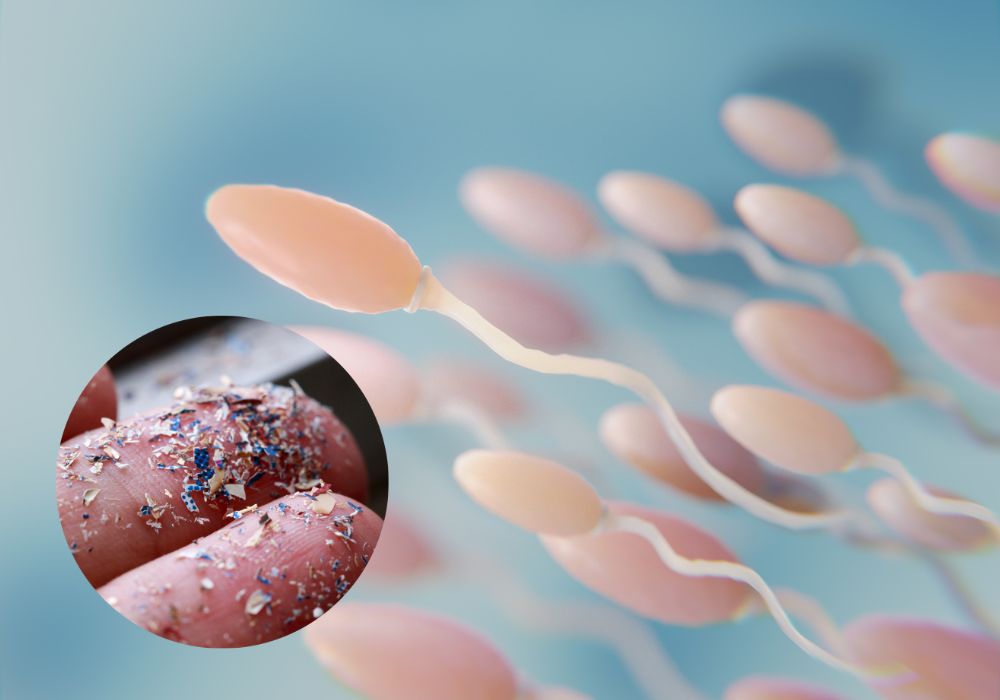
Plastic pollution—a problem we often associate with far-off beaches and marine life—is sneaking into the most unexpected places. Scientists have uncovered microplastics in spaces you wouldn’t normally think of, but now, their presence has reached an alarming and personal frontier: the human body. And not just anywhere—they’ve been found in semen samples.
What does this startling discovery mean for human health, and could it be tied to the global decline in fertility rates? While the answers remain elusive, the findings are raising pressing questions about the hidden impact of microplastics on male reproductive health. What could this mean for the future? And how is it that something as tiny as a plastic particle can wield such significant consequences?
What Are Microplastics?
Microplastics are tiny particles of plastic, typically less than 5 millimeters in size, that have become a major environmental concern. These particles are a result of larger plastic items breaking down over time due to exposure to sunlight, water, and other environmental factors. They can also be manufactured intentionally for use in products like facial scrubs, cleaning agents, and synthetic fabrics. As a result, microplastics are incredibly diverse in shape and form—fragments, fibers, beads, and even films—making them difficult to track and clean up once they’re in the environment.
These particles have now found their way into every corner of the planet. From the deepest oceans to the highest mountain peaks, no area is untouched by plastic pollution. But it’s not just the environment that is affected—microplastics are entering our bodies too. There are three main ways we come into contact with them: ingestion, inhalation, and skin contact.

- Ingestion: Microplastics are often found in seafood, drinking water, and even foods that have been processed or packaged in plastic materials. We unknowingly consume these particles with the food and beverages we take in daily.
- Inhalation: Tiny microplastic particles are present in the air we breathe, especially in areas with heavy pollution. They can come from sources like car tires, synthetic fabrics, or even dust in our homes. As we breathe in, these particles enter our lungs and can find their way into other parts of our body.
- Skin contact: Personal care products, like exfoliants and lotions, sometimes contain microplastics. When these products are applied to our skin, the particles can be absorbed and potentially make their way into our bloodstream.
Because of their small size, microplastics are difficult to avoid and even harder to remove once they’ve entered the body. As research into this area grows, it’s becoming clear that these tiny plastic particles can accumulate in various organs, tissues, and even in bodily fluids. This raises significant concerns about their long-term impact on human health, particularly when it comes to reproductive health.
The Study: Microplastics in Human Semen
A groundbreaking study has made headlines by revealing that microplastics are present in every single human semen sample tested. This study, conducted on semen samples collected from men in areas with high pollution levels, adds a disturbing new dimension to the growing body of research on the widespread impact of plastic pollution on human health.

The study analyzed samples from ten men, all of whom lived in the polluted Campania region of Southern Italy. The researchers used Raman microspectroscopy, a technique that allows scientists to identify the composition of materials at the microscopic level, to detect the presence of microplastics in the semen. The results were unsettling—16 microplastic particles were found across six of the ten samples. These particles ranged in size from 2 to 6 micrometers, with shapes varying from irregular fragments to spherical beads.
Among the types of plastic identified, the study found some of the most common polymers used in everyday items. These included polypropylene (PP), polystyrene (PS), polyethylene (PE), polycarbonate (PC), and polyvinylchloride (PVC)—all materials that are commonly found in plastic packaging, household items, and even synthetic clothing. The presence of these microplastics in semen suggests that these particles are entering the body through environmental exposure—likely via inhalation, ingestion, or dermal contact—and are subsequently making their way into the male reproductive system.
This is the first study to directly connect microplastics with human semen, raising important questions about how these pollutants might be affecting sperm quality. While the sample size was small, the findings are significant because they highlight the potential for microplastics to enter sensitive bodily fluids. With plastic pollution becoming increasingly pervasive, the study underscores the urgent need to investigate the long-term effects of these tiny particles on human health, especially male fertility.
Impact on Male Reproductive Health

Finding microplastics in human semen raises important concerns about their potential effects on male reproductive health. As research into plastic pollution continues to grow, scientists are increasingly worried about the link between environmental pollutants and declining sperm quality—a trend that has been noticeable worldwide over the last few decades.
Studies have already pointed to a troubling connection between exposure to certain chemicals in plastics, known as endocrine-disrupting chemicals (EDCs), and negative impacts on fertility. These EDCs, which include substances like bisphenols, phthalates, and polychlorinated biphenyls (PCBs), are known to interfere with hormone function, potentially affecting sperm production and quality. Many of these chemicals are absorbed by microplastics, meaning the very particles found in human semen could be carrying harmful substances into the male reproductive system.
Animal studies have shown that microplastics can cause a range of reproductive issues, including reduced sperm count, abnormal sperm shape, and decreased motility. For example, mice exposed to microplastics have shown damage to the blood-testis barrier, a protective mechanism that shields sperm from harmful agents. This damage disrupts normal sperm development and can lead to fertility problems. Similar impacts have been observed in other species, including fish and birds, suggesting that microplastics pose a real threat to reproductive systems across the animal kingdom.

The concern now is whether human sperm is similarly vulnerable. Though more research is needed, it’s possible that microplastics could cause oxidative stress, inflammation, and hormone imbalances in the male reproductive system, all of which could harm sperm quality and contribute to fertility issues over time.
With sperm counts already in decline worldwide, the idea that microplastics could be playing a role in this trend is troubling. While lifestyle, diet, and other environmental factors are also contributing to this decline, plastic pollution could be an overlooked factor. Understanding the impact of microplastics on male fertility is critical as we move forward, with this study serving as a crucial first step in addressing the possible long-term consequences of plastic pollution on reproductive health.
Addressing the Plastic Problem
Microplastics have become an unavoidable reality, permeating not just the environment but also our bodies. Tackling this issue requires a two-pronged approach: reducing exposure at an individual level and confronting the root cause through collective action.

Personal Steps to Reduce Exposure
While it’s impossible to eliminate microplastics entirely, there are simple changes we can make to minimize our intake:
- Switch to reusable alternatives: Replace single-use plastics with glass or stainless steel options for food and drink storage.
- Be mindful of food preparation: Avoid heating food in plastic containers, as this can release microplastics into your meals.
- Filter your water: Invest in water filters that can help trap microplastic particles before they reach your glass.
- Change laundry habits: Use laundry bags designed to catch synthetic fibers shed by clothes during washing.
Global Solutions for a Microplastic-Free Future
On a larger scale, innovation and policy reform are critical to curb plastic pollution:
- Advancements in technology: Promising solutions like microplastic-catching filters and magnetic adsorbents for water treatment are gaining traction.
- Legislation for plastic use: Governments worldwide need to enforce stricter regulations on plastic production, usage, and disposal.
- Increased research funding: More resources are essential to study microplastics’ impact on health and to develop effective mitigation strategies.
A Wake-Up Call for Health and Policy

The discovery of microplastics in human semen is a wake-up call about the far-reaching impact of plastic pollution. With microplastics now found in every semen sample tested, this study raises important questions about their role in the decline of male fertility and the potential risks they pose to reproductive health. While more research is needed to fully understand the long-term effects of microplastics on sperm quality and overall male reproductive health, the findings highlight a growing concern that can’t be ignored.
This study serves as a reminder that the environmental crisis caused by plastic pollution is not just an ecological issue but a human health issue as well. As microplastics become more widespread, their ability to accumulate in our bodies and potentially disrupt vital biological systems becomes increasingly alarming. Male fertility is just one area where this might be happening, but it’s clear that the effects of microplastics on human health could be much broader.
In light of these findings, it’s crucial that more studies are conducted to better understand how microplastics are affecting human reproduction and to identify the best ways to mitigate their impact. Additionally, urgent action is needed to curb plastic pollution at its source. Reducing plastic waste, developing better waste management strategies, and enacting stronger regulations on plastic production and disposal are all necessary steps to protect both the environment and human health.
As the evidence linking microplastics to reproductive health grows, we are faced with a pressing need to prioritize both scientific research and policy changes to reduce exposure and safeguard our future. The urgency of addressing plastic pollution has never been clearer.
Sources:
- Montano, L., Giorgini, E., Notarstefano, V., Notari, T., Ricciardi, M., Piscopo, M., & Motta, O. (2023). Raman Microspectroscopy evidence of microplastics in human semen. The Science of the Total Environment, 901, 165922. https://doi.org/10.1016/j.scitotenv.2023.165922
- Enyoh, C. E., Devi, A., Kadono, H., Wang, Q., & Rabin, M. H. (2023). The plastic within: microplastics invading human organs and bodily fluids systems. Environments, 10(11), 194. https://doi.org/10.3390/environments10110194
