
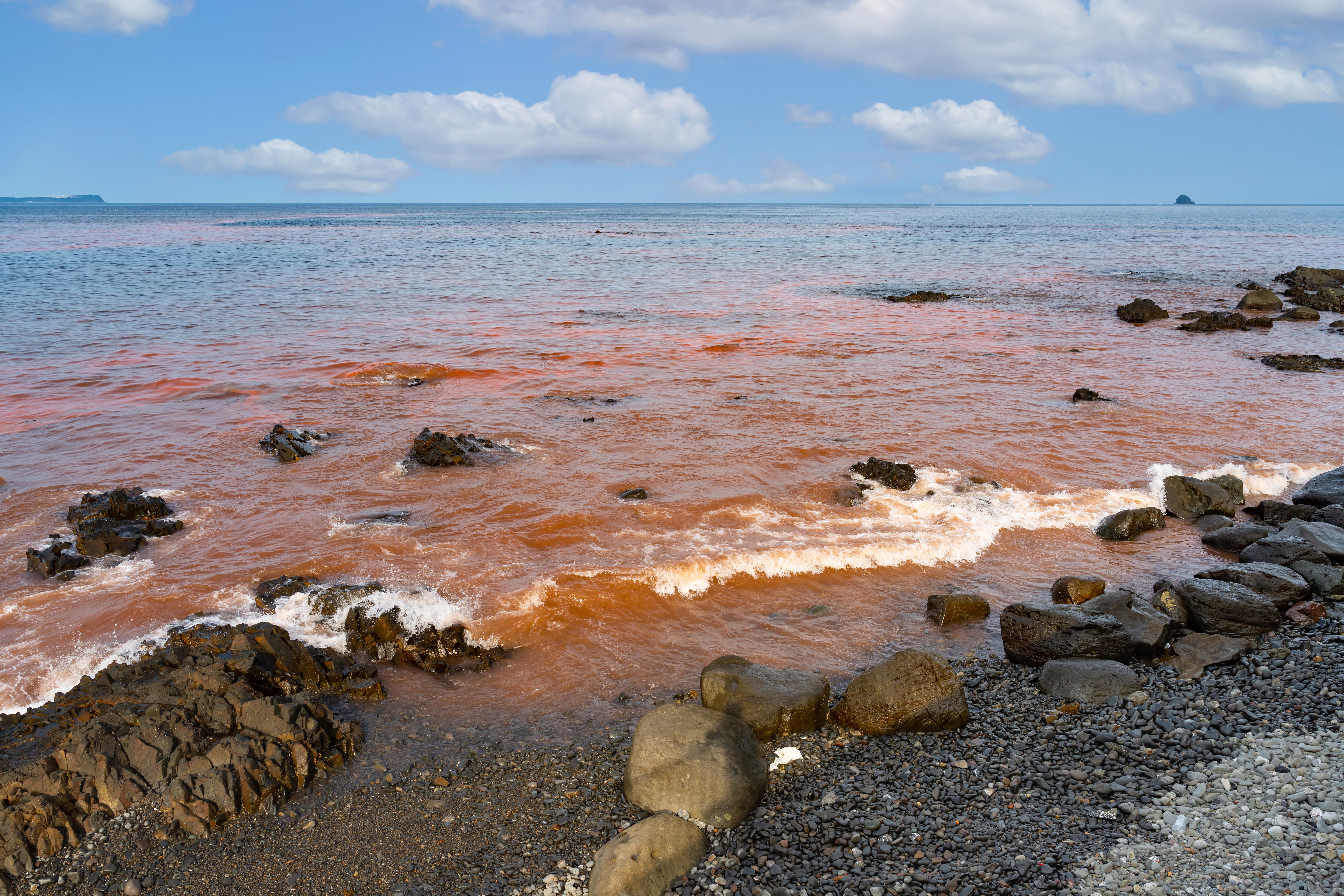
Red algae blooms, commonly called red tides, have become troubling for coastal communities worldwide. These harmful algae blooms (HABs) are more than just a disturbing visual; they pose severe threats to marine ecosystems, public health, and the economic well-being of local fisheries and tourism industries.
Traditionally, the causes of these blooms have been attributed to climate change and various environmental factors—yet recent research is uncovering a fascinating new dimension in the complex interactions of oceanic life: the role of viruses. Innovative studies have shed light on how these microscopic agents influence red tide dynamics, opening new avenues for understanding and predicting these menacing occurrences.
This promising breakthrough could empower scientists to forecast when the ocean’s waters will take on a sinister crimson hue, offering communities the chance to take proactive measures to mitigate the devastating impacts of red tides.
What Are Red Algae Blooms and Why Are They Dangerous?

Red algae blooms, or red tides, are a type of harmful algal bloom (HAB) that can cause significant damage to both the environment and human health. These blooms occur when certain types of algae, often Karenia brevis in coastal waters, multiply uncontrollably. Despite the name “red tide,” these blooms can appear in various colors, including orange, green, or even bioluminescent hues, depending on the algae species and environmental conditions.
These algal overgrowths release toxins into the water that can harm marine life, including fish, sea turtles, manatees, and other marine mammals. For humans, exposure to red tides can lead to respiratory issues, particularly for those with asthma or other preexisting conditions. In severe cases, consumption of contaminated seafood can cause food poisoning, including symptoms such as nausea, vomiting, and neurological damage.
Red tides also have economic implications. Beaches may be closed to the public, and fishing industries can take a hit, as affected seafood is unsafe for consumption. With their ability to last for months and stretch over large coastal areas, red tides represent both a public health threat and a financial burden for communities reliant on tourism and marine-based industries.
Understanding red tides and their causes is crucial for finding ways to predict and manage these events, which is where recent scientific breakthroughs come into play.
How Viruses and Pollution Fuel Red Tides

Red algae blooms, or red tides, are caused by an overgrowth of algae, particularly Karenia brevis, a type of dinoflagellate. These algae thrive in warm, nutrient-rich waters, and under the right conditions, they can multiply rapidly. Typically, these conditions include high water temperatures, excessive nutrients (such as nitrogen and phosphorus), and changes in wind patterns or ocean currents.
While red tides are a natural phenomenon, human activities have made them more frequent and intense. Nutrient pollution from agricultural runoff and wastewater acts like fertilizer for algae, increasing the likelihood of blooms. Climate change further exacerbates the problem, as rising temperatures and shifting weather patterns create favorable conditions for algae growth.
A recent breakthrough in red tide research has revealed an additional layer of complexity: viruses. Scientists have identified specific viruses associated with Karenia brevis blooms. This discovery is significant because understanding how viruses interact with algae could help explain why and when these blooms occur, and more importantly, how they might be predicted in the future. By studying these viruses, researchers hope to gain insights into the dynamics of red tides, potentially providing a tool for forecasting their appearance and impact.
Breakthrough in Forecasting Red Algae Blooms

For coastal communities, red tide has always been a frustrating guessing game. When will it hit? How bad will it be? The toxic Karenia brevis algae blooms appear with little warning, wreaking havoc on marine life, local economies, and public health. But now, researchers might finally have a clue—hidden in an unexpected place: viruses.
A recent breakthrough has uncovered specific viruses tied to Karenia brevis blooms, offering the first real hope for accurate forecasts. While scientists have long suspected viruses play a role in algal blooms, the exact connection remained murky. Now, cutting-edge techniques like viral metagenomics—which deciphers the genetic makeup of virus samples—are revealing patterns that could predict when a bloom begins, peaks, or fades.
For instance, a sudden spike in certain viruses might signal an impending bloom, while another shift could mean it’s about to die off. If researchers can reliably spot these viral signatures, communities could get a heads-up before red tide strikes—giving officials time to close beaches, warn residents, and protect vulnerable marine ecosystems.
The research is still new, but the implications are huge. Better forecasts could mean fewer surprise outbreaks, smarter fishing regulations, and less economic fallout from tourism shutdowns. As scientists dig deeper into the virus-red tide link, what was once an unpredictable menace might finally be something we can see coming.
How Forecasting Red Tide Saves Lives and Livelihoods
Accurately predicting red algae blooms could dramatically change how communities respond to these environmental hazards. With improved forecasting, officials would have more time to prepare, preventing serious health and economic consequences.
For instance, public health officials could issue advance warnings, helping those with asthma and respiratory issues avoid affected areas. With early detection, beach closures and advisories could be issued before toxins have a chance to spread, reducing the number of people exposed to harmful particles in the air.

Forecasting also means protecting marine life in a more proactive way. For example, if a red tide is predicted, environmental agencies could focus resources on preventing or mitigating damage to vulnerable species like fish, sea turtles, and manatees, which are often killed by the toxins.
From an economic standpoint, advanced notice could allow tourism and fishing industries to adjust plans. By forecasting a red tide’s arrival, businesses could take preventive measures—such as restricting beach access or suspending fishing activities—minimizing revenue loss and reducing the long-term economic damage caused by red tides.
In short, by predicting when red algae blooms are likely to occur, we can reduce the harmful effects of these events before they unfold, ultimately protecting public health, marine life, and local economies from the worst impacts.
What Can We Do to Help?

While scientists work to improve forecasting models for red algae blooms, there are several actions that individuals and communities can take to help reduce the frequency and severity of these harmful events.
- Reduce nutrient pollution: Excess nutrients—particularly nitrogen and phosphorus from agricultural runoff, wastewater, and stormwater—act as fertilizers for algae, triggering rapid growth. Reduce chemical fertilizer use, properly manage waste, and support policies limiting nutrient pollution. Even simple steps like using fewer chemicals on lawns and gardens can significantly reduce nutrient runoff into waterways.
- Support climate action: Climate change contributes to rising red tide occurrences. Reducing greenhouse gas emissions, investing in renewable energy, and supporting climate policies are essential to slow ocean warming and changing weather patterns that make red tides more likely.
- Participate in citizen science: Join initiatives that help researchers track and understand algae blooms. Tools like HABscope allow community members to collect water samples and monitor local algae levels. These efforts provide valuable data that improves forecasting models and tracks red tide spread in real time.
- Stay informed and spread awareness: Many communities offer resources for tracking red tide activity, including forecasts and health advisories. Stay updated on local conditions to avoid exposure to harmful toxins, and share information with others through social media or conversation to ensure more people can take necessary precautions.
- Support research and policy changes: Advocate for continued funding of research on red tides, nutrient pollution, and forecasting techniques. Support local and national policies that regulate nutrient runoff and protect vulnerable coastal ecosystems. Back initiatives promoting sustainable farming practices and responsible water management to address the root causes of harmful blooms.
By working together through individual action, scientific research support, and policy advocacy, we can reduce the impact of red algae blooms and protect both our health and environment.
A Step Toward Safer Shores

The ability to forecast red algae blooms could be a game-changer in how we manage these environmental hazards. With recent scientific advancements in identifying viruses linked to Karenia brevis, researchers are closer than ever to predicting when red tides will occur. This breakthrough could lead to earlier warnings, helping coastal communities protect public health, marine life, and local economies from the devastating effects of red tides.
While much work remains to be done, the progress made so far holds great promise. By supporting ongoing research, reducing nutrient pollution, and taking action on climate change, we can all contribute to preventing and mitigating the impact of these harmful algal blooms. With the combined efforts of scientists, citizens, and policymakers, the future of red tide forecasting looks brighter, offering a proactive approach to managing one of our most persistent environmental challenges.
