
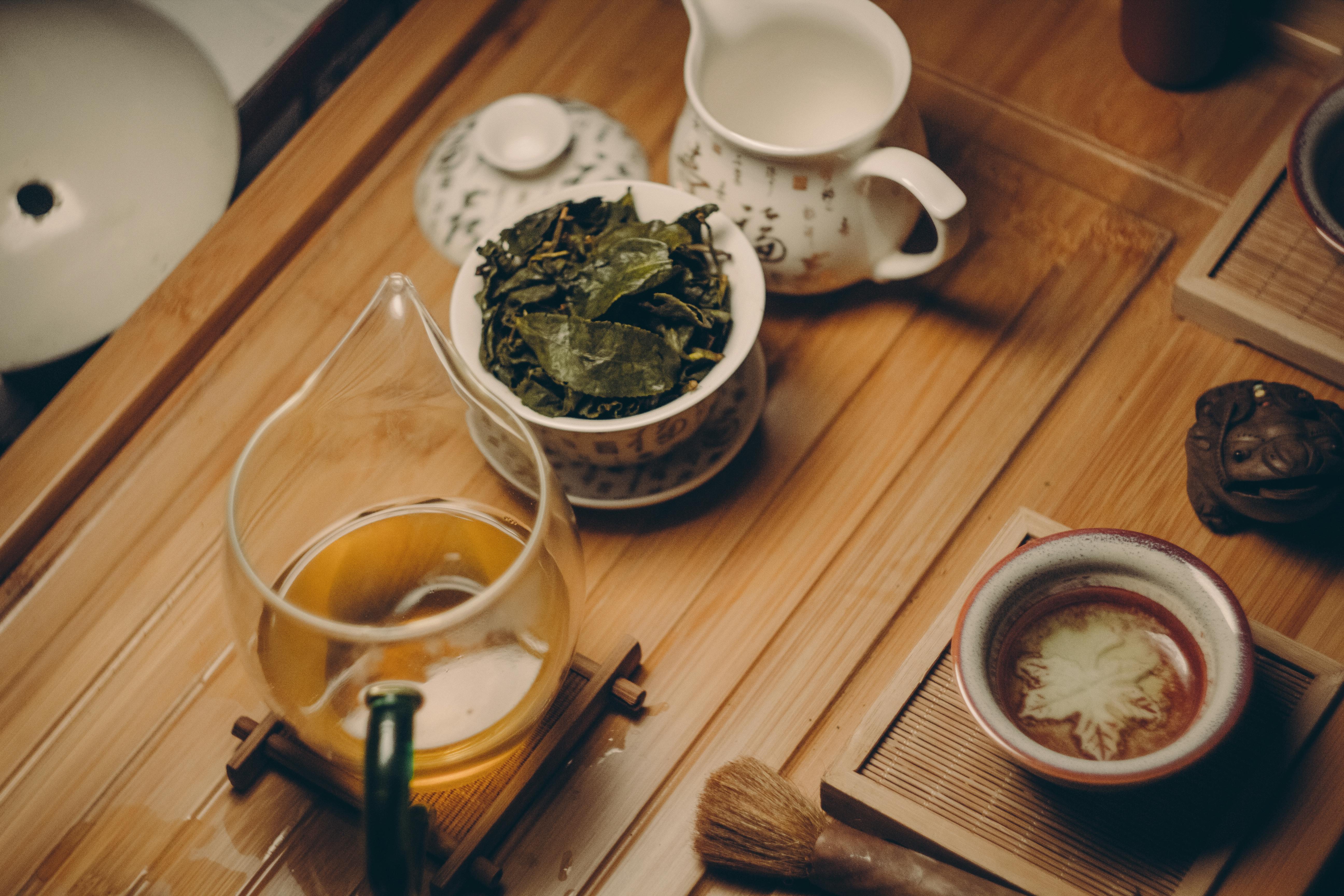
Nestled within the lush landscapes of the Great Lakes region, the Ojibwa Tribe has long harnessed the bounty of the earth to craft remedies that weave together the threads of tradition and natural medicine. Among their revered concoctions is Essiac Tea, an enigmatic blend of four distinct herbs, each with its own story and purported powers. Said to combat cancer cells and cleanse the blood, this herbal tea not only offers a glimpse into the Ojibwa’s profound connection to nature but also invites us to explore how ancient wisdom might hold the keys to modern health challenges. As we delve into the origins and ingredients of Essiac Tea, prepare to uncover the layers of this intriguing remedy and the ongoing quest to validate its traditional uses against contemporary scientific scrutiny.
The Four Herbs of Essiac Tea
Essiac Tea, a blend heralded for its purported medicinal properties, particularly in cancer treatment, consists of four primary herbs. Each of these herbs has been traditionally used by the Ojibwa tribe and has specific roles in the blend’s overall therapeutic effectiveness.
- Burdock Root (Arctium lappa): Burdock root is a cornerstone of the Essiac blend, renowned for its blood purification abilities. It’s rich in antioxidants, which are crucial in neutralizing free radicals in the body. Studies suggest that burdock root may help to inhibit cancer cell growth due to its arctigenin content, although these findings are preliminary and require more clinical research to confirm efficacy.
- Sheep Sorrel (Rumex acetosella): Known for its rich vitamin and mineral content, sheep sorrel is used in Essiac tea primarily for its anti-inflammatory properties. It may be particularly effective in reducing inflammation associated with respiratory issues like sinusitis. The tannins present in sheep sorrel are thought to decrease mucus overproduction, aiding in clearer breathing passages.
- Slippery Elm Bark (Ulmus rubra): This herb is valued for its mucilage content, which coats and soothes mucous membranes in the digestive tract. Slippery elm is believed to help with conditions ranging from sore throats and coughs to gastroesophageal reflux disease (GERD) and various inflammatory bowel diseases. Its antioxidant properties also contribute to overall gastrointestinal health.
- Turkey Rhubarb Root (Rheum palmatum): Traditionally used for its potent detoxifying properties, turkey rhubarb root acts as a gentle laxative, aiding in the removal of waste and improving liver function. The malic acid in this herb also helps the body to produce ATP more efficiently, which can boost energy levels and aid in overall healing processes.
Despite the longstanding traditional uses of these herbs, scientific research into their combined effect within Essiac tea is limited. Some studies have highlighted the antioxidant and immunomodulatory properties of the blend, suggesting potential benefits in immune system support and cancer prevention. However, clinical evidence is insufficient to conclusively support these claims. Researchers continue to examine the individual and collective effects of these herbs to better understand their roles in health and disease.
Traditional Uses of Essiac Tea

Essiac tea, originating from the healing practices of an indigenous tribe, has been revered for its natural health benefits for generations. Its reputation grew significantly in the 1920s when it became widely known through a patient who attributed her recovery from breast cancer to the herbal blend. The patient claimed it was a traditional remedy passed down through the tribe, sparking increased interest in the tea’s potential.
Traditionally, Essiac tea was primarily used to cleanse and purify the body. It was believed to “cleanse the blood,” supporting overall health by aiding detoxification, boosting the immune system, and reducing inflammation. The blend of herbs, including burdock root, sheep sorrel, slippery elm bark, and turkey rhubarb, worked together to enhance liver function and immune health, making it a holistic remedy for various ailments.
While Essiac tea was not promoted as a cancer cure, it was valued for its ability to alleviate symptoms and improve quality of life for individuals facing serious health challenges. This therapeutic aspect remains one of the most notable elements of the tea’s legacy.
Today, Essiac tea continues to be used around the world as part of holistic health regimens. Though scientific evidence on its efficacy remains limited, the tea is appreciated for its antioxidant and anti-inflammatory properties, which contribute to immune and digestive health support. Despite the lack of comprehensive scientific backing, Essiac tea remains a popular natural health remedy, blending traditional wisdom with contemporary wellness trends.
Modern Research and Perspectives on Essiac Tea

Essiac tea has garnered attention in scientific circles, largely due to its historical use in treating various ailments, including cancer. While there is considerable anecdotal evidence supporting its health benefits, especially in cancer care, the scientific validation remains inconclusive.
In laboratory and animal studies, Essiac tea has shown antioxidant properties, primarily due to ingredients like burdock root and sheep sorrel. These properties are believed to help neutralize free radicals, potentially reducing oxidative stress, which plays a role in various chronic diseases, including cancer. Some studies have suggested that Essiac tea could slow the growth of certain cancer cells, such as those associated with leukemia and breast cancer. However, results have been inconsistent. In some cases, the tea may have even shown the potential to stimulate cancer cell growth, particularly in breast cancer cells, highlighting the need for more research.
The clinical research in humans is still limited. Few studies have been conducted, and those that exist have failed to provide strong evidence that Essiac tea can effectively treat or prevent cancer. This lack of comprehensive, rigorous clinical trials means that any claims about Essiac tea as a cancer cure should be approached with caution.
Ongoing research continues to explore Essiac tea’s potential health benefits, with a focus on its possible role in protecting against DNA damage from low doses of ionizing radiation. This research could be particularly relevant for individuals exposed to radiation in their work or frequent flying. Although these early findings suggest a possible radioprotective effect, more detailed studies are needed to fully understand and confirm these potential benefits.
Precautions and Recommendations for Essiac Tea Consumption

When considering Essiac tea, it’s essential to be aware of both its potential benefits and associated risks. Here are some key precautions and recommendations:
- Consultation with Healthcare Providers: Before integrating Essiac tea into your regimen, particularly if you are on prescription medications or have pre-existing health conditions, consulting a healthcare provider is crucial. This step is necessary to understand potential interactions and avoid adverse effects, especially since some ingredients in Essiac tea might interact with certain medications like blood thinners.
- Mindful Dosage and Duration: Adhering to recommended dosage guidelines is important. Starting with a small dose to assess tolerance and gradually increasing it can help mitigate potential side effects. Overconsumption can lead to adverse effects, so moderation is key. For those new to Essiac tea, it’s advised to begin with half an ounce once a day and monitor the body’s response before adjusting the dose.
- Increased Water Intake: Due to its detoxifying properties, Essiac tea may facilitate the release of toxins, which can lead to dehydration if not balanced with adequate water intake. It is recommended to drink at least half your body weight in ounces of water daily, in addition to the Essiac tea, to help dilute and flush out toxins.
- Avoidance During Pregnancy and Nursing: The safety of Essiac tea for pregnant or nursing mothers has not been established. Due to the lack of definitive safety data, it is recommended that these groups avoid the tea.
- Monitoring and Adjusting Based on Health Changes: Regular health check-ups are advised for individuals regularly consuming Essiac tea, especially those with underlying health concerns like kidney issues. Monitoring organ function and overall well-being can help detect any negative changes early, allowing for timely adjustments to tea consumption.
Essiac Tea: Bridging Tradition and Modern Wellness
As we conclude our exploration of Essiac tea, it is clear that this herbal blend represents more than just a simple tea; it is a fusion of traditional Ojibwa herbal practices with contemporary health inquiries. The ongoing interest in Essiac tea in wellness circles highlights its enduring allure and the hope that natural remedies can provide alternative or complementary options for health management.
From its roots in Native American healing traditions to its adoption by nurse Rene Caisse, and its eventual spread into the global health community, Essiac tea has traveled through time and culture. Despite its widespread use and the passionate testimonials from those who swear by its benefits, the scientific community remains cautious, calling for more rigorous research to validate the claims of its efficacy against diseases like cancer.
For those considering Essiac tea, it is crucial to approach its use with informed caution. Consulting healthcare professionals, adhering to recommended dosages, and being vigilant about the body’s reactions are essential steps to safely integrating Essiac into one’s health regimen. As research continues to evolve, it may provide the needed evidence to fully understand the benefits and limitations of this herbal blend.
