
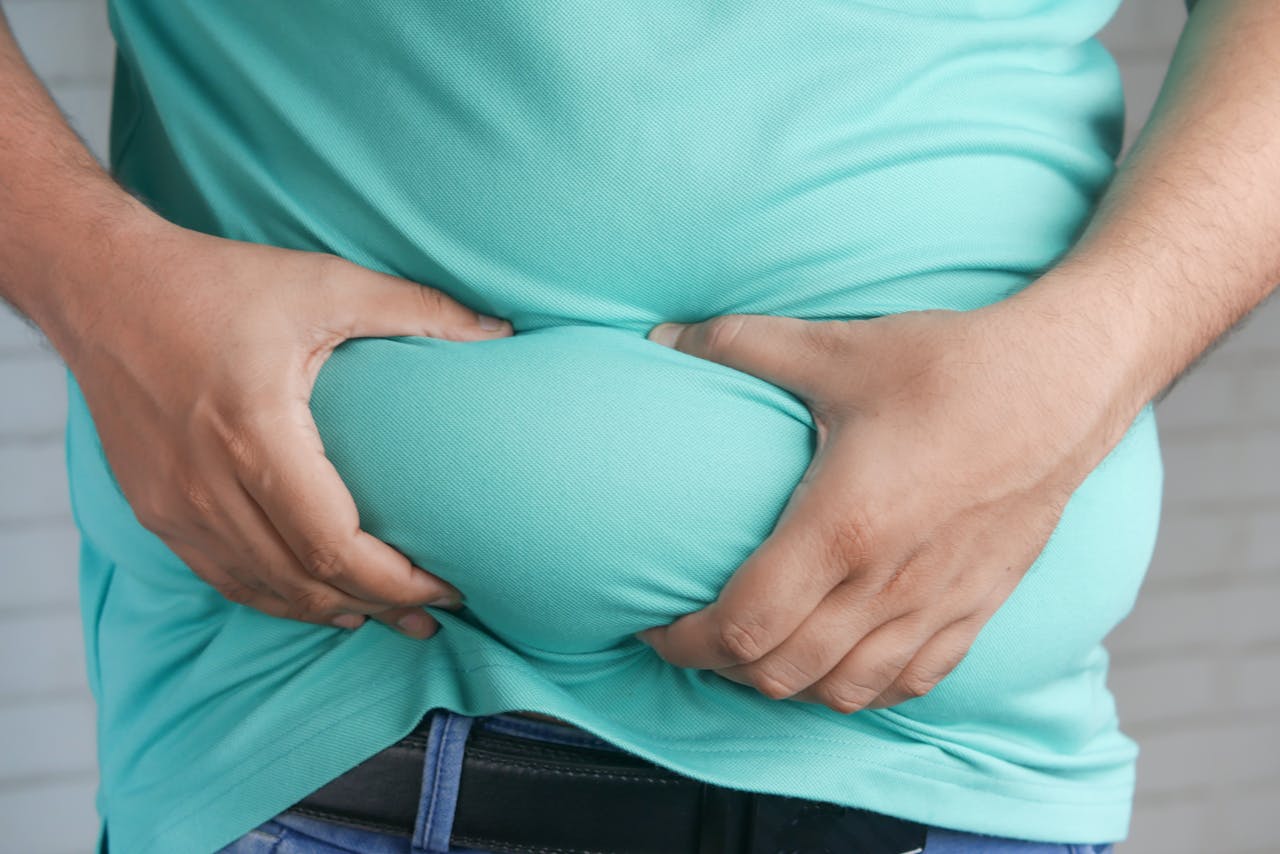
What if you could shrink stubborn belly fat without surgery, pills, or restrictive diets? Scientists at Columbia University may have just found the answer. A new injectable nanomaterial called P-G3 is turning heads for its ability to reprogram how fat behaves in the body. Unlike traditional fat removal methods, this treatment works at the cellular level to make fat healthier, not just smaller. Here is what you need to know about this game-changing discovery.
Why Visceral Fat Is So Hard to Treat

Scientists at Columbia University have unveiled a groundbreaking injectable treatment using a positively charged nanomaterial called P‑G3. This innovation offers a potential solution to shrink stubborn fat—especially visceral belly fat—without surgery, tissue destruction, or systemic side effects. Visceral fat, the deep fat surrounding internal organs, poses serious health risks including diabetes, cardiovascular disease, and chronic inflammation. Traditional treatments like liposuction and fat-reducing drugs either damage healthy tissues or affect the entire body. According to the research team, “The ability to target fat cells and safely uncouple unhealthy fat formation from healthy fat metabolism would be the answer to many people’s prayers.”
What makes visceral fat so difficult to manage is its deep abdominal location, surrounding vital organs like the liver and pancreas. It’s metabolically active and secretes inflammatory compounds that can drive chronic disease, often resisting diet and exercise. Compounding this is the fact that fat in the body is compartmentalized into “depots,” which makes targeted reduction nearly impossible with existing methods. Most drugs and procedures act systemically or destructively, affecting fat indiscriminately.

Adding to the challenge, certain fat types are necessary for hormone balance and insulation, so blanket removal isn’t ideal. Fat-reducing injections that permanently destroy cells may cause uneven fat distribution, while pharmaceutical treatments often come with serious side effects. Complicating things further are age-related hormonal shifts and high cortisol levels from chronic stress—both of which promote visceral fat buildup, especially in older adults.
These layered difficulties are why researchers are exploring smarter, safer solutions like P-G3. Rather than forcing the body to burn or remove fat, the goal is to help it regulate fat more intelligently—precisely where needed and without collateral damage.
How P-G3 Reprograms Fat Cells

Unlike treatments that destroy fat cells, P-G3 offers a subtler and potentially safer mechanism: cellular reprogramming. Its positively charged structure interacts with the negatively charged extracellular matrix in fat tissue, creating a targeted delivery route that avoids systemic spillover. This specificity allows P-G3 to influence only the fat depots it reaches, minimizing unwanted effects on muscles, nerves, or other organs.
Upon injection, P-G3 triggers a shift in how fat cells operate. Instead of hoarding excess lipids, these cells are nudged into a more youthful, metabolically active state. This transformation resembles the fat composition found in newborns and elite athletes—smaller, energy-burning cells rather than oversized, energy-storing ones. According to Dr. Kam Leong, “Our studies highlight an unexpected strategy to treat visceral adiposity and suggest a new direction of exploring cationic nanomaterials for treating metabolic diseases.”
Another key effect is P-G3’s ability to suppress mTOR signaling, a cellular pathway that promotes fat storage and growth. At the same time, it lowers NAD+ levels within fat cells—a signal that halts their progression into lipid-stuffed giants. The result is not just smaller fat cells, but a recalibrated fat depot that behaves more like a well-tuned metabolic engine.
What makes this approach revolutionary is its dual action: P-G3 doesn’t merely shrink fat cells; it encourages a more functional fat tissue environment. This includes fostering healthier cell turnover, limiting inflammation, and preserving the essential roles fat plays in cushioning organs and regulating hormones. “With P-G3, fat cells can still be fat cells, but they can’t grow up,” Leong added, emphasizing the non-destructive but transformative nature of this technology.
From Research to Real-World Potential
To enhance P-G3’s targeting accuracy and reduce unintended accumulation in vital organs like the liver or kidneys, researchers engineered a variant called P-G3-Chol(5). These cholesterol-tagged nanomaterials are self-assembling and exhibit improved selectivity for adipose tissue. In preclinical studies, mice receiving this formulation showed up to a 45% reduction in fat mass—without changes in appetite, physical activity, or lean muscle loss.
This specificity is crucial for translating the therapy from lab to clinic. The localized action of P-G3 makes it an ideal candidate for delivering drugs or gene therapies directly to fat depots, potentially minimizing the side effects seen in systemic treatments. Researchers believe this delivery system could reactivate older drugs like thiazolidinediones (TZDs)—powerful metabolic regulators that were withdrawn due to cardiovascular concerns—by directing them exclusively to adipose tissues.
Beyond metabolic health, the P-G3 platform could also reshape the cosmetic landscape. Like Botox for muscles, P-G3 may offer a noninvasive, targeted option for reshaping subcutaneous fat—especially in areas like the chin, upper arms, or lower abdomen. Such precision would address both health and aesthetic goals without the trauma or recovery associated with surgery.
Columbia researchers are actively refining the nanomaterial’s chemistry and delivery system, with patents pending and broader safety trials planned. Their goal is a highly tunable therapeutic platform that could revolutionize how we manage obesity, metabolic disorders, and fat-related conditions.
What You Can Do Right Now to Support Fat Health
While P-G3 is still under refinement, you can take actionable, science-backed steps to support fat metabolism and reduce harmful visceral fat:
- Prioritize Anti-Inflammatory Nutrition
A diet high in anti-inflammatory foods can reduce the inflammation commonly found in visceral fat. Incorporate leafy greens, turmeric, ginger, berries, and omega-3 sources like salmon or flaxseed. These foods enhance insulin sensitivity and reduce fat-storing signals in the body. - Get Consistent, Restful Sleep
Poor sleep increases cortisol, a stress hormone that promotes belly fat accumulation. Aim for 7–9 hours of high-quality sleep to help your body regulate hormones and keep fat gain in check. - Incorporate Metabolism-Boosting Exercise
Regular physical activity, especially a mix of cardio and resistance training, boosts your metabolism and helps burn stubborn fat stores. High-intensity interval training (HIIT) is particularly effective in targeting visceral fat. - Reduce Refined Sugars and Processed Foods
Excess sugar and ultra-processed foods spike insulin and promote fat storage—particularly around the midsection. Opt for whole, minimally processed foods to help regulate blood sugar and support fat-burning. - Consider Natural Supportive Supplements
Natural options like green tea extract, cinnamon, and apple cider vinegar may offer mild metabolic benefits. These should complement—not replace—lifestyle changes. Always consult your healthcare provider before starting new supplements.
By embracing smart interventions and adopting healthy habits now, you give your body the best foundation for any future advancements. The shift toward reprogramming rather than removing fat may soon redefine wellness, aesthetics, and disease prevention for generations to come.
Reprogramming Fat for a Healthier Future
This new wave of fat-targeting science suggests that the future of fat loss might not involve removal at all—but reprogramming. P-G3 challenges the conventional belief that fat must be destroyed or extracted to improve health. Instead, it shows that fat can be metabolically retrained to function more like the lean, active tissue found in high-performance bodies.
By restoring a healthier cellular environment within fat depots, P-G3 not only shrinks fat safely but also helps correct the inflammatory and hormonal imbalances that underlie chronic metabolic diseases. This is a crucial shift—from quick fixes to sustainable cellular healing.

What makes this advancement especially promising is its adaptability. From treating type 2 diabetes to aiding targeted body sculpting, the potential applications of depot-specific fat modulation span both clinical and cosmetic medicine. And because P-G3 operates without systemic disruption, it could set a new benchmark for safety in fat-targeted therapies.
As research moves closer to human trials, P-G3 represents a new frontier in personalized health—one where fat isn’t fought, but guided. We are no longer limited to subtracting fat; we can now reprogram it toward better health outcomes
Source:
- Wan, Q., Huang, B., Li, T., Xiao, Y., He, Y., Du, W., Wang, B. Z., Dakin, G. F., Rosenbaum, M., Goncalves, M. D., Chen, S., Leong, K. W., & Qiang, L. (2022). Selective targeting of visceral adiposity by polycation nanomedicine. Nature Nanotechnology, 17(12), 1311–1321. https://doi.org/10.1038/s41565-022-01249-3
- Huang, B., Wan, Q., Li, T., Yu, L., Du, W., Calhoun, C., Leong, K. W., & Qiang, L. (2022). Polycationic PAMAM ameliorates obesity-associated chronic inflammation and focal adiposity. Biomaterials, 293, 121850. https://doi.org/10.1016/j.biomaterials.2022.121850
