
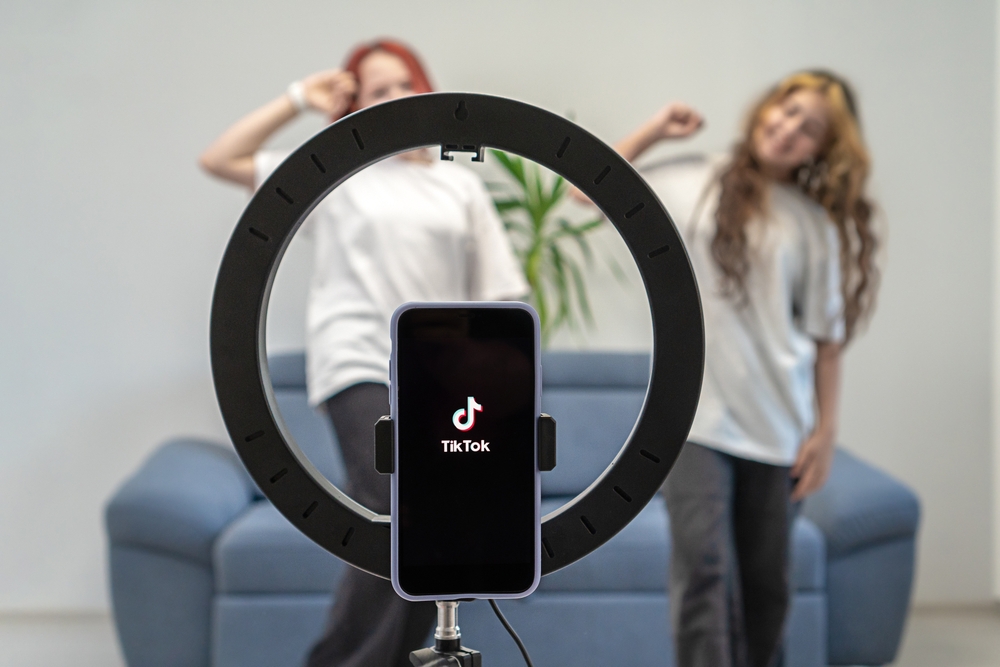
Twenty-five years ago, the term “influencer” didn’t exist. Today, an estimated 30 to 50 million people worldwide earn income by curating their lives for audiences online. The industry is growing at double-digit rates every year, fueled by brand deals, algorithms, and the endless chase for visibility. But what if the pursuit of digital perfection leaves scars no filter can erase?
That’s the question behind Ava, a computer-generated model built by researchers to show what the average influencer could look like by 2050. She has a hunched back, thinning hair, swollen under-eyes, and facial proportions distorted by years of fillers. Her image is jarring, but it isn’t fantasy. Every feature is grounded in medical evidence of how long hours on screens, disrupted sleep, heavy cosmetic use, and constant styling quietly reshape the human body.
Ava isn’t just a glimpse of influencers’ future. She’s a mirror reflecting the costs of a culture that rewards being “always on,” whether you’re chasing followers or simply glued to your phone.
The Demanding Life of Content Creation
Scroll through Instagram or TikTok, and the influencer lifestyle looks effortless: designer outfits, luxury trips, glowing skin, and an endless stream of curated moments. What doesn’t appear on the feed is the relentless grind behind those images. According to a 2023 BBC report, some influencers work up to 90 hours a week. Unlike a traditional job, there’s no real off switch. Every dinner can double as branded content, every vacation is an opportunity for photoshoots, and even downtime is shadowed by the need to stay relevant in algorithm-driven platforms.
This always-on cycle is more than just busy work it’s physically and mentally taxing. Constant travel, late-night editing sessions, and nonstop engagement with followers mean erratic schedules and little time for recovery. Studies already link heavy social media use to disrupted sleep, anxiety, and depression. For influencers whose livelihood depends on producing fresh, engaging content, those risks are magnified.

The irony is sharp: an industry built on the illusion of freedom and glamour often functions like one of the most demanding forms of shift work. Instead of flexible hours, influencers face a cycle of endless deadlines and performance pressure. And unlike traditional careers, there’s no HR department or labor protections to set boundaries. The cost of slowing down is simple visibility fades, and income follows.
This is the foundation that created Ava. Her hunched posture, weary eyes, and stressed skin aren’t exaggerated they’re the visible evidence of a workload that turns human bodies into round-the-clock production tools. What looks like luxury from the outside is, for many creators, a job that quietly erodes health over time.
The Rise of Tech-Driven Posture Problems

Image Credits: Website @Casino.org
One of the most striking features of Ava is her posture. She doesn’t stand tall or relaxed her spine is curved forward, her shoulders rounded, and her neck juts out in a permanent tilt. This isn’t a designer’s exaggeration. It’s the predictable outcome of years spent bent over screens, a condition doctors have labeled “tech neck.”
Research published in Interdisciplinary Neurosurgery found that tilting the head forward even 15 degrees adds measurable stress to the cervical spine. At 60 degrees the angle many people adopt while scrolling on a phone the neck bears the equivalent of a 60-pound load. Over time, that strain reshapes the body. Muscles tighten, shoulders round inward, and spinal discs absorb pressure they weren’t built to handle. What starts as stiffness after a long session online can progress into chronic pain, reduced mobility, and long-term musculoskeletal disorders.
For influencers, the risks are amplified. The job requires hours of filming, editing, livestreaming, and posting all tethered to screens. Add in travel with laptops, posing for content, and constant device use, and the body rarely has a chance to reset. According to the BBC, influencers can spend upwards of 90 hours a week working, much of it in this posture.
The body adapts to what it does most often. Just as athletes develop muscles tailored to their sport, prolonged screen work trains the body into a slouched, forward-leaning stance. But unlike an athlete’s adaptations, this isn’t a strength it’s a limitation. Ava’s bent spine is a stark visual of that process: the weight of constant connectivity made visible in bone and muscle.
And this isn’t limited to influencers. Anyone who has felt neck pain after scrolling too long has already experienced the early signs. The difference is scale. Where most people might spend a few hours a day on their devices, influencers can spend most of their waking hours. Ava’s posture represents the extreme end of a spectrum that almost everyone today is already on.
From Makeup Layers to Digital Aging

Ava’s skin tells another story of the influencer lifestyle. Her complexion is patchy, inflamed, and uneven not because of neglect, but because of overexposure to the very practices meant to keep her looking flawless. Daily layers of heavy foundation, powders, and highlighters, combined with frequent skincare product swaps for brand deals, create the perfect storm for contact dermatitis. Dermatologists warn that constant irritation from new or harsh products can leave skin red, raw, and prone to long-term sensitivity.
Then there’s the light. Influencers rely heavily on ring lights, studio setups, and endless screen time to perfect their image. That glow doesn’t come without a cost. Dermatologists now talk about “digital aging,” a process where blue light and LED exposure accelerate pigmentation changes, fine lines, and skin inflammation. Unlike natural sun exposure, which comes in bursts, digital light hits the skin for hours every single day, compounding the damage.
Cosmetic procedures add another layer of risk. Dermal fillers, once considered quick fixes for plumper lips or sharper cheekbones, can distort natural proportions when used repeatedly. Over time, fillers can migrate under the skin, leaving cheeks puffy, chins unnaturally pointed, and the skin texture looking artificial. It’s a cycle where each “touch-up” chips away at the natural balance of the face.
Ava embodies the endpoint of these choices: blotchy skin, exaggerated facial contours, and a texture that no filter can hide. What’s unsettling isn’t how extreme she looks, but how recognizable the process is. Many people already notice irritation from overusing skincare products, or the dullness that comes after too many late nights with screens. Ava is the amplified version of habits that are becoming everyday norms.
The Silent Victims of Screen Addiction

Look at Ava’s eyes and you see the clearest evidence of a life lived under constant screens. They are swollen at the lids, ringed with dark circles, and red from irritation. These aren’t just cosmetic flaws they’re the markers of what optometrists call digital eye strain, also known as computer vision syndrome. Symptoms include dryness, blurred vision, headaches, and increased sensitivity to light. For influencers, these symptoms are almost unavoidable. Filming, livestreaming, editing, and replying to followers means their eyes are under intense strain for much of the day.
But the damage doesn’t end there. Blue light emitted from smartphones, laptops, and LED lighting interferes with the body’s circadian rhythm the internal clock that regulates sleep. Exposure late into the night suppresses melatonin, the hormone that signals the body to rest. Without it, sleep becomes shorter, lighter, and less restorative. Chronic sleep disruption has ripple effects across health: fatigue, reduced immune function, mood disturbances, and even hair thinning tied to hormonal imbalance.
The BBC has already documented that many influencers work irregular hours, sometimes clocking 90-hour weeks. Add the adrenaline of live performance and the pressure of audience engagement, and restful sleep becomes nearly impossible. Ava’s dark circles and puffiness aren’t exaggerated—they’re what happens when the body is denied proper recovery year after year.
This isn’t just an influencer problem. Millions of people scroll their phones in bed, check emails late at night, or binge-watch under the glow of a screen. The morning-after grogginess, dry eyes, or irritability are smaller versions of the same cycle. Ava shows what happens when that cycle becomes a lifestyle: exhaustion etched permanently onto the face.
Styling Choices That Backfire

Hair is one of the most visible markers of beauty and health, which is why influencers often invest heavily in keeping it camera-ready. Extensions, wigs, and tightly pulled hairstyles help create sleek looks that stand out on social media. But dermatologists warn these practices put constant tension on the scalp, a condition known as traction alopecia. Over time, the repeated pulling weakens follicles, causing thinning, bald spots, and receding hairlines that can be difficult or even impossible to reverse.
Ava’s sparse hairline and patchy scalp are a direct reflection of this process. Years of styling for photoshoots, brand campaigns, and daily content eventually strip away the very feature meant to signal vitality. It’s an irony built into influencer culture: the pursuit of perfect presentation accelerates long-term deterioration.
The problem isn’t limited to hair extensions or wigs. Frequent chemical treatments, coloring, and heat styling compound the damage, weakening strands and drying out the scalp. While the results may look flawless in the moment, the cumulative stress quietly undermines the health of the hair itself.
Outside of influencer circles, traction alopecia is becoming more common among the general public as well. Tight ponytails, braids, or daily use of heavy clip-in extensions can trigger the same condition. Ava’s thinning hairline is simply the extreme endpoint of practices many people already engage in without realizing the risks.
What Ava Says About Culture

Image Credits: Website @Casino.org
Ava isn’t just a warning about posture, skin, or hair. She’s a reflection of the culture that shaped her. Influencers don’t work in isolation. Their choices whether it’s hours on screens, endless cosmetic treatments, or extreme styling are driven by forces bigger than any one person. Algorithms reward constant activity, audiences reward flawless appearances, and brands reward novelty. In that system, health is often treated as expendable.
The striking part is how familiar Ava’s story already feels. The stiff neck after too much scrolling, the restless night after watching one more episode, the frustration of comparing yourself to filtered beauty standards these aren’t limited to influencers. They’re part of everyday digital life. Ava is just the amplified version, her exaggerated features exposing what happens when those habits dominate a career and a lifestyle.
Her appearance also speaks to how beauty standards have shifted. Where once aging naturally was accepted, today’s culture pushes people to erase it with filters, fillers, and carefully curated images. The pursuit of perfection isn’t just personal it’s systemic, woven into a digital economy that thrives on polished presentation. Ava’s distorted proportions make visible the end point of that cycle: a body molded by commerce and performance rather than balance and authenticity.
Protecting Your Health Now

Ava represents the extreme outcome of habits that are already common today. The good news is that small, consistent changes can protect your health without requiring a full lifestyle overhaul. These strategies, drawn from medical research and expert advice, apply not just to influencers but to anyone living in a screen-heavy world.
Protect Your Posture
- Take regular breaks from screens stand up, stretch, and reset your spine every 30 to 60 minutes.
- Keep devices at eye level whenever possible to reduce forward head tilt and neck strain.
- Strengthen your back and core through simple exercises like planks or resistance band pulls, which help counteract slouching.
Defend Your Skin
- Limit constant product swapping. Stick to a consistent skincare routine with products that work for you.
- Remove makeup thoroughly before bed to reduce irritation and inflammation.
- Protect against “digital aging” by using moisturizers with antioxidants and broad-spectrum sunscreen, even indoors when exposed to bright lights and screens.
Rest Your Eyes
- Follow the “20-20-20 rule”: every 20 minutes, look at something 20 feet away for 20 seconds to ease strain.
- Adjust screen brightness to match your surroundings and avoid glare.
- Use blue light filters in the evening, or step away from screens at least an hour before bed to protect your circadian rhythm.
Prioritize Sleep
- Keep a consistent bedtime routine, even on busy days.
- Avoid caffeine or energy drinks late in the day, which can worsen sleep disruption.
- If you must use screens at night, use night mode or blue light–reducing apps to minimize melatonin suppression.
Rethink Hair Care
- Loosen hairstyles that pull tightly at the scalp, and avoid relying on extensions daily.
- Give your hair regular “rest days” from heat styling and chemical treatments.
- Use gentle shampoos and conditioners that nourish the scalp as well as the strands.
These aren’t drastic changes, but over years they make a measurable difference. The body adapts to what it does most often just as Ava reflects unhealthy habits over decades, consistent healthy practices can prevent or reverse much of that damage.
Choosing a Different Future
Ava’s unsettling image is less about prediction and more about perspective. She shows what can happen when beauty standards, social platforms, and nonstop content creation outweigh basic health. The bigger message is clear: if culture keeps rewarding perfection at any cost, we risk normalizing exhaustion, distorted self-image, and physical decline as the price of visibility.
The responsibility doesn’t sit with influencers alone. Algorithms push them to stay active, brands reward them for looking flawless, and audiences often expect curated perfection without considering what it takes to maintain it. Every double-tap or sponsorship reinforces the system that made Ava possible. Changing the outcome means rethinking what we value not just as creators, but as consumers.
Authenticity, balance, and well-being need to matter more than filters and trends. That shift starts small: praising creators for honesty, supporting content that shows life without airbrushing, and setting personal boundaries around screen use. When health is placed above performance, the pressure to maintain an impossible image starts to ease.
Ava is haunting, but she isn’t destiny. She’s a reminder that bodies keep the score of our daily habits, and culture reflects the choices we collectively make. By stepping back from the chase for flawless presentation, we gain something far more lasting: health, presence, and a future where the pursuit of relevance doesn’t come at the cost of being human.
