
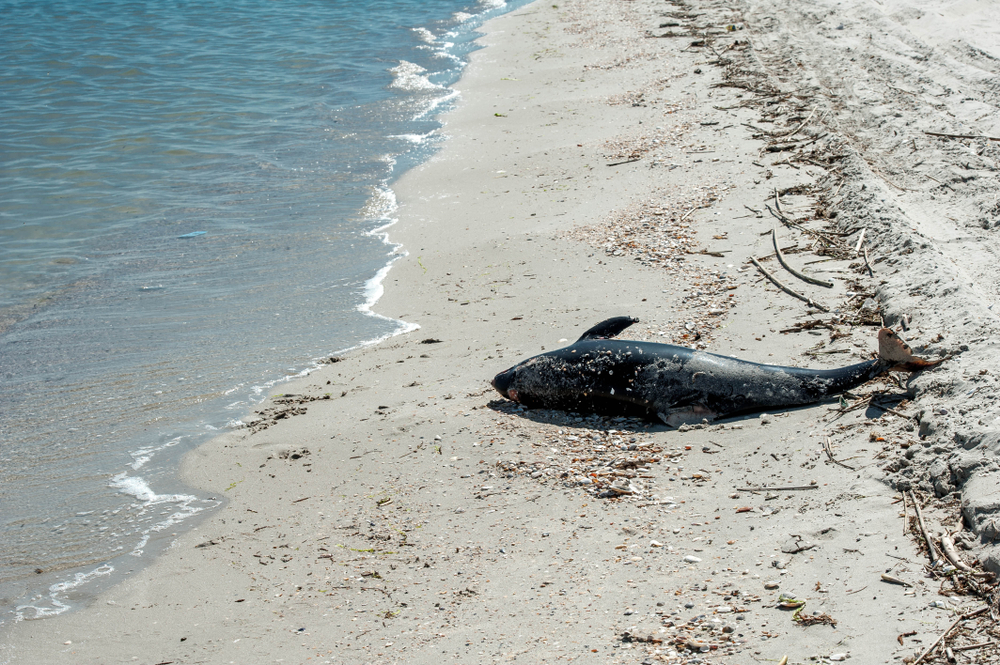
The ocean has always been a symbol of mystery, balance, and life, yet beneath its surface, a quiet crisis is unfolding. Along Florida’s eastern coastline, dolphins have begun washing up on beaches with shocking evidence of brain damage that mirrors Alzheimer’s disease in humans. This disturbing discovery has drawn attention not only to the plight of marine life but also to the possible risks humans face from a hidden environmental toxin. The findings reveal a deeper connection between the health of our waters, the creatures that inhabit them, and our own wellbeing.

A Startling Discovery Beneath the Waves
Researchers examining the brains of twenty dolphins stranded along Florida’s Indian River Lagoon made a grim discovery. The animals’ brain tissue contained extraordinarily high concentrations of 2,4-diaminobutyric acid, known as 2,4-DAB, a toxin produced by cyanobacteria, the microscopic organisms often called blue-green algae. This compound is chemically related to another neurotoxin known as BMAA, both of which are notorious for damaging nerve cells. Dolphins that were found during peak algal bloom seasons carried toxin levels up to 2,900 times higher than those that stranded at other times of the year.
Under microscopic examination, scientists observed the same degenerative patterns seen in the human brain affected by Alzheimer’s disease. There were clumps of sticky proteins called amyloid plaques and twisted fibers of tau proteins that disrupt communication between neurons. These patterns represent the physical decay of brain pathways responsible for memory, language, and reasoning. To find such changes in dolphins was unprecedented.
As apex predators, dolphins are particularly vulnerable to the build-up of toxins in their tissues. Through the process of bioaccumulation, poisons travel up the food chain, concentrating in animals that feed on smaller contaminated species. Dolphins absorb and store these chemicals over years, slowly accumulating levels that their bodies cannot clear. For scientists, dolphins serve as environmental indicators. If they are showing signs of neurodegeneration linked to environmental toxins, it suggests that similar exposures could be affecting human populations living near the same coastal waters.

The Growing Menace of Blue-Green Algae
Cyanobacteria are among the oldest organisms on Earth, forming the foundation of aquatic life for billions of years. Under balanced conditions, they coexist peacefully with other microorganisms. Yet human activity has tipped that balance. When agricultural fertilizers, sewage, and industrial waste introduce excess nutrients into lakes and rivers, cyanobacteria reproduce explosively, creating what scientists call harmful algal blooms. These blooms transform clear waters into dense, greenish layers that suffocate aquatic life and release dangerous toxins.
Among the toxins produced are BMAA and 2,4-DAB, both capable of damaging the nervous system. These molecules mimic natural amino acids, tricking brain cells into incorporating them into proteins. Once embedded, they cause the proteins to fold incorrectly, forming clumps that interfere with cellular communication and eventually kill neurons. The same process occurs in Alzheimer’s disease, which is why the parallels found in dolphin brains are so concerning.
The frequency and severity of these blooms have increased dramatically in recent decades. In Florida, the problem has been compounded by the discharge of nutrient-rich water from Lake Okeechobee into surrounding rivers and coastal lagoons. Each year, these discharges carry vast amounts of cyanobacteria downstream, poisoning ecosystems and trapping marine mammals in toxic environments. For dolphins, continuous exposure means that their neurological damage is not an isolated incident but a long-term, cumulative effect.
Could Humans Be at Risk Too?
The discovery of Alzheimer’s-like damage in dolphins raises unsettling questions about what these toxins might be doing to people who live or work near affected waterways. Scientists have long known that cyanobacterial blooms can harm human health, causing respiratory irritation, skin rashes, and gastrointestinal illness. Now, emerging research suggests that chronic exposure to low doses of these neurotoxins could also affect the brain.
Populations in areas with recurring algal blooms may be at greater risk. In Guam, for example, researchers discovered unusually high rates of neurodegenerative disorders among people who regularly consumed food contaminated with cyanobacterial toxins. Their brains showed the same protein misfolding patterns seen in Alzheimer’s disease. Laboratory experiments confirmed that animals exposed to BMAA developed similar brain changes, providing a plausible link between environmental exposure and cognitive decline.
In coastal regions of the United States, especially Florida, this connection may already be developing quietly. In 2024, Miami-Dade County recorded the highest prevalence of Alzheimer’s disease in the nation. While many factors contribute to such statistics, scientists are increasingly considering whether long-term exposure to environmental neurotoxins might be one piece of the puzzle. The evidence is far from conclusive, but it is strong enough to prompt further investigation. The dolphins, once again, may be acting as a warning system for us.

Climate Change Is Making It Worse
The relationship between climate change and harmful algal blooms is becoming clearer every year. Rising global temperatures warm ocean and freshwater systems, providing cyanobacteria with the perfect conditions to flourish. These microorganisms thrive in stagnant, warm water that is rich in nutrients. Extended summers and heat waves prolong their growth periods, while increased rainfall and flooding wash even more fertilizers and waste into rivers. The combination of heat, sunlight, and nutrient overload forms a perfect recipe for persistent, toxic blooms.
This pattern creates a dangerous feedback loop. As blooms die off, they deplete oxygen levels in the water, leading to mass die-offs of fish and marine life. Decomposing matter then releases more nutrients, fueling the next bloom. In many regions, these cycles now occur multiple times a year, turning once-clear waterways into ecological dead zones. Warmer conditions also encourage the spread of blooms into areas that were once too cool to support them, expanding the problem northward into new territories.
The consequences reach beyond environmental loss. Every bloom event increases human exposure to airborne and waterborne toxins. Residents near affected waterways often report headaches, dizziness, memory problems, and fatigue during bloom seasons. Over time, repeated exposure could have subtle but lasting effects on the brain. The dolphins’ condition offers a glimpse of what could happen if these environmental changes continue unchecked.
Protecting Yourself and Supporting Healthier Waters
While the scale of this issue may feel overwhelming, there are practical steps that individuals and communities can take to reduce risks and promote cleaner ecosystems. Begin by staying informed. Local health departments and environmental agencies frequently issue alerts when water bodies experience harmful algal blooms. Avoid swimming, fishing, or boating in discolored or foul-smelling water, and keep pets out as well. Toxins can cause illness even through brief contact.
Be mindful of seafood sourcing. Fish and shellfish harvested from contaminated areas can accumulate toxins in their tissues. Purchasing from trusted, regulated suppliers helps ensure food safety. Supporting sustainable fishing practices also reduces environmental strain and helps prevent future blooms. On a personal level, you can help reduce nutrient runoff by limiting fertilizer use, properly maintaining septic systems, and disposing of waste responsibly.
At the community level, change begins with awareness and advocacy. Encourage local leaders to invest in green infrastructure, restore wetlands, and monitor agricultural runoff. Wetlands act as natural filters, trapping nutrients before they reach open water. Even simple steps such as planting native vegetation, reducing plastic use, and conserving water contribute to a healthier environment. Protecting water quality is not just about saving marine life; it is an investment in human health and the stability of ecosystems that sustain us all.
Nature’s Message and the Lesson from the Dolphins
The image of dolphins washing ashore with damaged brains is both heartbreaking and illuminating. These animals are mirrors reflecting the state of the environment they inhabit, and by extension, the world we share with them. Their suffering signals a deeper imbalance that reaches far beyond the shoreline. It reveals how pollution, climate change, and neglect of natural systems can converge to create invisible threats to life itself.
If we are willing to listen, the dolphins’ story teaches an urgent lesson. The toxins that accumulate in their bodies are the same pollutants flowing through our rivers, lakes, and oceans. Every choice we make, from how we grow food to how we manage waste, influences the health of these interconnected systems. Protecting marine life is not an act of distant compassion but an essential step toward protecting ourselves.
Our relationship with nature is reciprocal. When we safeguard the environment, we safeguard our minds, our bodies, and the future generations who will depend on these same waters. The dolphins may not speak our language, but their warning is clear. If we want to preserve the intelligence and beauty that they represent, we must heal the waters that sustain them—and us.
