
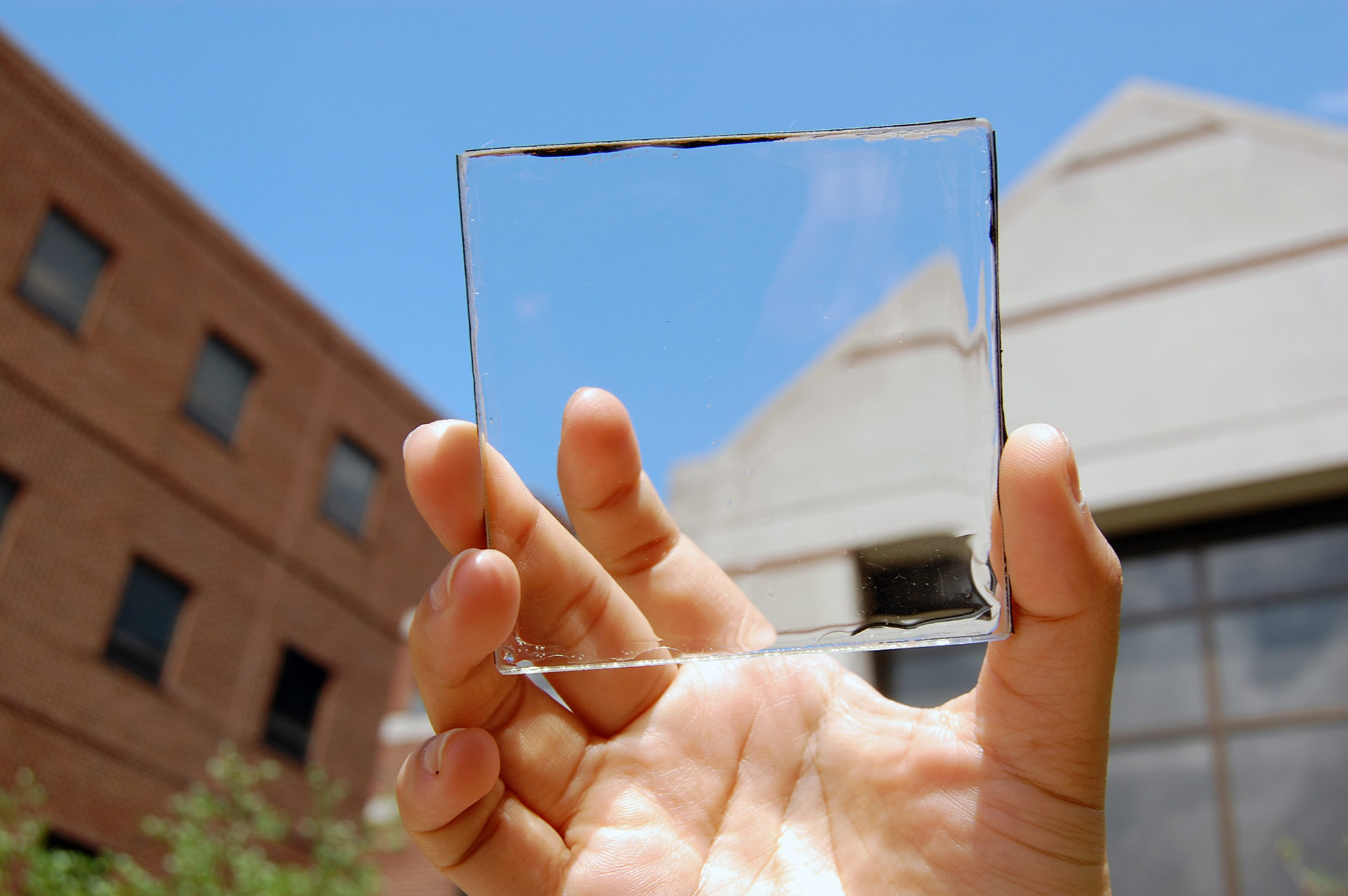
What if your next phone screen was made from metal—but looked and felt like glass? That futuristic concept is now within reach, thanks to a breakthrough by researchers at Ateneo de Manila University and the Nara Institute of Science and Technology. Their discovery? A low-energy, low-cost way to make aluminum transparent.
This isn’t just a cool lab trick. Transparent aluminum could soon be shaping your gadgets, your solar panels, even the windows in your home—offering a tougher, greener alternative to traditional materials. With a simplified, cleaner, and more energy-efficient process, this innovation could revolutionize how we build and power the tools of modern life. Here’s how this game-changing advancement works and why it matters for tech, the planet, and everyday consumers.

What Is Transparent Aluminum?
Transparent aluminum is essentially aluminum oxide, known as TAlOx, a material celebrated for its durability and clarity. For decades, scientists have recognized its potential, but its production was held back by cost and complexity. Previous methods involved intense energy consumption and expensive equipment, such as high-powered lasers and corrosive chemical baths. These barriers made it impractical for use beyond specialized military or aerospace applications.
TAlOx retains the optical properties of glass while being significantly stronger, making it highly resistant to impact and wear. It can transmit visible light while providing superior mechanical strength, an ideal combination for industries requiring both transparency and toughness. Unlike plastic-based alternatives, TAlOx does not degrade as quickly under UV exposure or extreme temperatures, which broadens its potential for outdoor and high-performance applications.
Its exceptional characteristics give it a competitive edge in settings where both aesthetics and resilience are essential. With new manufacturing techniques making TAlOx more accessible, we’re approaching a tipping point where its benefits can be realized in mainstream products. From smart devices to architectural glass, the possibilities are expanding rapidly.

The Breakthrough: Drop-Scale Anodizing
The revolutionary technique behind this innovation is called “drop-scale anodizing.” Unlike traditional anodizing, which requires immersion in large chemical baths and significant electrical power, this approach uses microdroplets of acid and only two volts of electricity—less than the output of an AA battery. These tiny droplets are carefully placed onto the aluminum surface, triggering an electrochemical reaction that transforms the metal into a clear, hard oxide layer.
This technique takes advantage of the electrowetting effect, where the behavior of a liquid is altered by an electric field. In this case, electrowetting allows for controlled spreading and penetration of the acid across the metal surface, ensuring a uniform and precise oxidation process. The result is a smooth, transparent coating with minimal waste and no need for toxic solvents or cumbersome machinery.
Not only is this method efficient, but it also significantly reduces the environmental footprint of materials production. Traditional processes often generate hazardous waste and consume large amounts of energy. In contrast, drop-scale anodizing is compact, low-waste, and environmentally friendly, representing a rare win-win scenario for industry and ecology alike.
This simplicity and sustainability are what make the discovery especially exciting. With minimal resources and no need for expensive infrastructure, this technique democratizes advanced material production, making it feasible for small businesses and emerging tech startups to participate in high-performance innovation.

Why This Matters: Sustainability Meets Strength
The ability to create transparent aluminum affordably and sustainably could signal a major shift in materials science and industrial design. TAlOx is not just another transparent material—its combination of resilience, optical clarity, and eco-friendly production makes it uniquely suited to meet the growing demands for durability and sustainability in consumer and industrial products.
From an environmental perspective, this method aligns with global efforts to reduce waste, conserve energy, and limit the use of hazardous materials. Manufacturers are under increasing pressure to adopt greener practices, and transparent aluminum produced through drop-scale anodizing offers a way to meet those demands without sacrificing performance or aesthetics. It represents a material solution that is both forward-thinking and immediately applicable.
In terms of strength, TAlOx outperforms both standard glass and many polymers in terms of hardness and resistance to scratching. This makes it ideal for applications where both transparency and durability are crucial, such as smartphone screens, optical lenses, and protective gear. Consumers can expect longer-lasting products that are more resistant to everyday wear and tear.
This innovation could also reshape product design. With a material that is both strong and light, designers can create sleeker, more durable items that don’t compromise on functionality or form. Transparent aluminum stands to be a cornerstone of the next generation of smart devices, eco-friendly buildings, and robust wearables.

How It Could Change Your Everyday Tech
Imagine dropping your smartphone and not having to worry about a cracked screen. With transparent aluminum, that could become reality. The enhanced durability of TAlOx means that consumer electronics can be built to last longer, resisting damage from impacts, scratches, and environmental wear. This not only extends product life but also reduces the need for frequent replacements, supporting a more sustainable tech cycle.
In solar technology, TAlOx could serve as a high-strength, transparent coating for photovoltaic panels. By protecting the delicate internal components without reducing light transmission, it could increase both the efficiency and the lifespan of solar panels. That means better energy capture and fewer maintenance costs over time—a win for both users and the environment.
TAlOx may also find its way into architecture and transportation. Its lightweight yet durable nature makes it a candidate for clear building panels that can withstand harsh conditions, or even for windshields and cockpit displays in advanced vehicles. The potential to reduce weight without sacrificing strength could also lead to fuel efficiency improvements in aviation and automotive industries.
As the tech becomes more refined, even wearable and medical devices could incorporate this material. Its biocompatibility, resistance to scratches, and clarity under magnification make it suitable for high-precision tools and long-lasting smart accessories. The reach of transparent aluminum extends well beyond screens and into the realm of advanced functionality.

Tech with a Conscience: A Natural Fit
In a world increasingly focused on sustainability, transparent aluminum fits naturally into the push for more responsible innovation. Its production requires minimal resources, generates less waste, and can be carried out with simple, accessible tools. For consumers and businesses alike, it represents an opportunity to support eco-conscious technologies without compromising performance.
This advancement is also a nod to the power of accessible science. Rather than being developed in an exclusive, high-cost lab, this method emerged from a collaborative effort using basic materials and smart engineering. It’s a reminder that innovation can come from creativity and resourcefulness, not just expensive equipment.
As industries continue to seek alternatives to traditional materials that are damaging or inefficient, transparent aluminum emerges as a solution grounded in practicality and long-term value. It balances cutting-edge performance with a smaller environmental footprint, making it a beacon for the future of sustainable tech.
Moreover, this approach can empower small-scale innovators, hobbyists, and independent engineers who were previously shut out of advanced material development. With just a few volts and some clever design, anyone could potentially produce durable, transparent coatings—a revolution in accessibility as well as materials science.
A Smarter, Greener Future in Sight
As researchers refine the optical and structural properties of TAlOx, its integration into mainstream manufacturing becomes increasingly likely. This material could soon be the go-to solution for industries seeking both performance and sustainability. With scalability and affordability on its side, transparent aluminum may redefine what’s possible in modern design and engineering.
The transition to TAlOx won’t just mean stronger gadgets or sleeker devices. It signals a broader move toward mindful technology that minimizes harm while maximizing utility. As adoption spreads, it could lead to significant reductions in electronic waste and energy use—a quiet but meaningful shift in how we think about progress.
It’s rare to find a breakthrough that is equal parts science fiction and everyday practicality, but transparent aluminum fits the bill. This new method opens the door to widespread use in everything from smartphones to skyscrapers, all while lowering costs and environmental impacts.
So next time you tap your phone, adjust your smart glasses, or glance through a window, know that the future may be looking right back at you—clearer, stronger, and greener than ever.
