
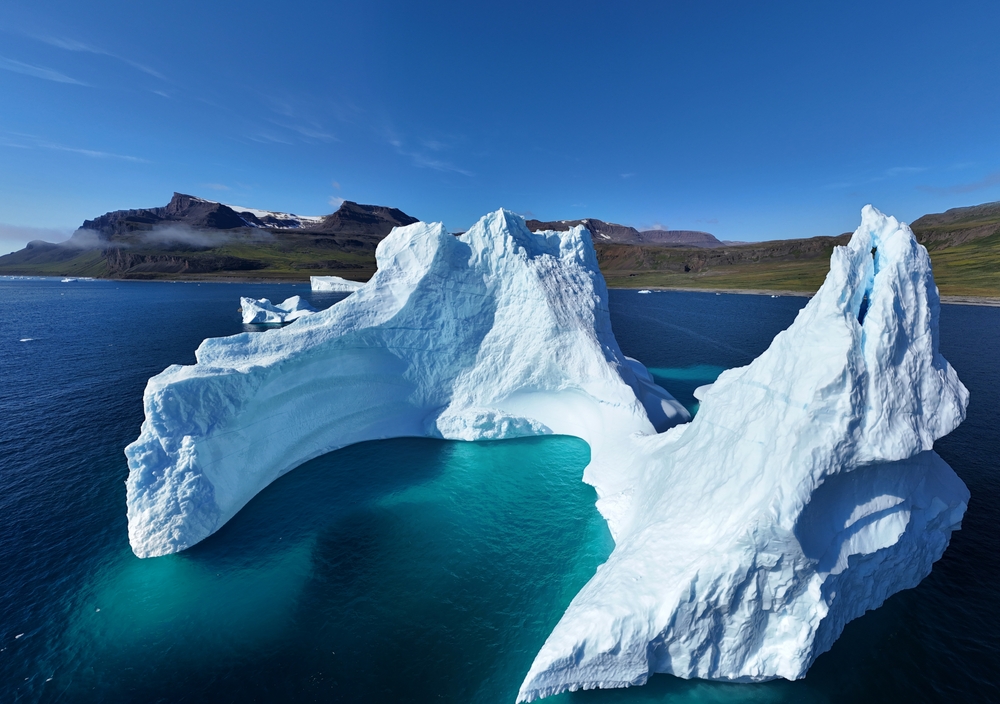
In October 2025, something remarkable and unsettling happened in Iceland. For the first time in recorded history, mosquitoes were officially discovered on the island, a nation long considered too cold, too unpredictable, and too isolated for these insects to survive. The find was confirmed by the Icelandic Institute of Natural History after local collector Björn Hjaltason spotted several specimens near Kjós, just north of Reykjavík. They were later identified as Culiseta annulata, a hardy mosquito species capable of surviving frigid conditions that would kill most others.
For decades, scientists have marveled at Iceland’s unusual freedom from mosquitoes. Its volatile freeze-thaw cycles and geothermal conditions made it nearly impossible for the bugs to reproduce successfully. Any mosquitoes that accidentally arrived via ships or aircraft would perish before their eggs could hatch. Yet this latest discovery tells a new story, one that mirrors a global trend. Iceland’s summer of 2025 broke multiple temperature records, including the hottest May in its history. For the first time, the island’s climate provided a stable enough environment for these cold-tolerant mosquitoes to establish themselves, at least temporarily.
The presence of Culiseta annulata may not sound alarming at first since this species is not known for spreading diseases like malaria or dengue. But what it represents is significant. Iceland’s mosquitoes have arrived not because of chance but because the world is getting warmer and ecosystems are shifting. It is a quiet but unmistakable sign that even the most isolated environments are no longer immune to the reach of climate change.

When Ice Melts, New Ecosystems Emerge
For centuries, Iceland’s natural defenses against mosquitoes were rooted in its geography. The island’s erratic seasons kept temperatures fluctuating above and below freezing, preventing insect populations from stabilizing. Larvae that required weeks of still water to mature would be frozen out long before reaching adulthood. Geothermal pools, often warm enough to steam in winter, were actually too hot to serve as breeding grounds. This constant environmental turbulence created an effective biological barrier, until now.
The past decade has seen a marked shift. Iceland’s average temperatures have steadily climbed, with longer, warmer summers and milder winters. These subtle changes may not seem dramatic to humans, but to a mosquito egg or larva, they represent the difference between life and death. With fewer freeze-thaw disruptions, standing water can persist for longer, allowing mosquito populations to take root. Even a single stagnant puddle can serve as an incubator for hundreds of eggs. The resilience of Culiseta annulata, which survives in Siberian tundra by entering a hibernation-like state called diapause, means Iceland’s new visitors are well-equipped to withstand the country’s changing climate.
This transformation underscores a larger ecological truth. As the planet warms, the invisible borders that once separated ecosystems are dissolving. Species are migrating toward the poles, climbing to higher altitudes, or finding refuge in environments once thought inhospitable. These movements do not happen in isolation. When insects move, so do the plants and animals that depend on or are affected by them. The arrival of mosquitoes in Iceland is not just an entomological curiosity, it is a preview of broader biological rearrangements already underway across the world.

The Only Mosquito-Free Continent Left
With Iceland now officially crossed off the list, only Antarctica remains untouched by mosquitoes. The icy continent’s perpetual subzero temperatures and lack of liquid water keep it safe from invasion, at least for now. It is a fitting metaphor for a planet where once-impossible boundaries are eroding. But even Antarctica’s immunity may not last forever. Scientists warn that invasive species can hitch rides on human expeditions and supply shipments, potentially disrupting fragile polar ecosystems.
The symbolism of Iceland’s mosquitoes is striking. They are messengers of a warming Earth. The fact that these cold-adapted insects have conquered a land once thought permanently beyond their reach suggests that climate stability is unraveling faster than predicted. It also raises a practical concern, the gradual northward creep of mosquito-borne diseases. While Iceland’s mosquitoes are harmless, other species such as Aedes aegypti and Anopheles have begun spreading into regions like southern Europe, the Pacific Northwest, and even the edges of the Arctic Circle. Diseases once confined to tropical latitudes, including dengue, Zika, chikungunya, and malaria, are now appearing in places that never had to prepare for them.
The World Health Organization estimates that by 2080, up to one billion additional people could be exposed to mosquito-borne illnesses as global temperatures climb. This does not represent only a health crisis but an environmental domino effect. Every species that expands its range introduces new challenges for ecosystems already under stress. Iceland’s mosquitoes, therefore, are more than a local curiosity. They are a global warning.

Why This Matters Beyond Mosquito Bites
When we talk about mosquitoes, it is tempting to focus on the nuisance: the itching, the buzzing, the sleepless nights. But from an ecological perspective, mosquitoes are powerful indicators of environmental balance. Their survival depends on specific combinations of humidity, warmth, and water quality, which means they act as sensitive barometers for ecological change. When mosquitoes appear in new places, it is often because those places have undergone subtle yet significant environmental shifts.
In Iceland’s case, the arrival of mosquitoes may signal not only rising temperatures but changes in precipitation and seasonal water patterns. It is also a reminder that the effects of climate change do not always appear as wildfires or hurricanes. Sometimes they appear on a much smaller scale, in the flutter of wings over a quiet northern marsh. The health implications are equally complex. As mosquito populations expand, so do the opportunities for disease transmission, especially in regions unaccustomed to such risks. Public health systems will need to adapt rapidly, monitoring new species and preparing for potential outbreaks in previously unaffected areas.
The phenomenon also raises questions about human behavior. Urbanization, travel, and global trade all help transport insects across continents. Ships, airplanes, and cargo containers are now the wings of globalization and the vehicles of biological migration. Climate change merely completes the equation by providing the warmer conditions necessary for these stowaways to thrive. Iceland’s mosquitoes did not just arrive by accident; they were invited by a combination of global warming and human movement.

How Warming Climates Favor Mosquitoes
Mosquitoes are astonishingly efficient survivors. All they need to thrive are standing water, warmth, and access to hosts. Rising global temperatures give them longer breeding seasons and fewer frost-induced die-offs. Even small changes, an extra week of summer heat or a slightly warmer winter, can multiply their population. In some northern regions, mosquitoes are now completing two or even three breeding cycles per season, compared to just one in the past.
Warmer climates also alter the quality of standing water, slowing evaporation and allowing larvae to develop undisturbed. Meanwhile, human behavior inadvertently provides perfect conditions for breeding. From birdbaths and flowerpots to discarded bottles and clogged gutters, modern life offers countless mini-ecosystems where mosquitoes can lay eggs. As rainfall patterns become more unpredictable, alternating between drought and heavy downpour, these transient water pools become even more common.
Humidity plays another role. Mosquitoes prefer moist environments where their delicate wings and bodies do not dry out. As climate change increases humidity in many regions, these insects gain an even greater advantage. The same weather shifts that damage crops and flood cities also create ideal havens for mosquitoes to flourish. It is a feedback loop in which environmental degradation nurtures the very species that exploit it.
Natural Ways to Protect Yourself
As mosquitoes expand their territory, protecting yourself becomes both a matter of comfort and health. While synthetic repellents such as DEET are effective, many people prefer natural alternatives that are gentler on the skin and the environment. Fortunately, nature offers its own arsenal of defenses, many of which have been used for centuries in traditional medicine.
Essential oils are among the most effective natural repellents. Citronella, eucalyptus, clove, lemongrass, and tea tree oils contain volatile compounds that interfere with mosquitoes’ ability to detect human scent. Blended with carrier oils such as coconut or jojoba, they can provide several hours of protection without the chemical residue of commercial sprays. Neem oil, revered in Ayurveda, is another powerful option. It works both as a repellent and a skin conditioner, with studies showing that diluted neem oil can protect against bites for up to twelve hours.
Beyond topical applications, plants themselves can serve as barriers. Growing tulsi (holy basil), lavender, or marigold near doorways and patios helps deter mosquitoes naturally. These plants emit aromatic oils that insects dislike while adding beauty and fragrance to your surroundings. For indoor protection, fine-mesh nets infused with essential oils or lavender sachets provide a natural shield.
Diet also matters. Mosquitoes are attracted to the carbon dioxide and lactic acid we emit, both of which are influenced by what we eat. Foods rich in vitamin B1, such as sunflower seeds, lentils, and whole grains, may make you less appealing to mosquitoes. Antioxidant-rich foods like garlic and leafy greens also help modulate body scent while supporting immune function, which can be beneficial if you do get bitten.
How to Coexist With a Changing Planet
The arrival of mosquitoes in Iceland is more than a scientific headline; it is a reflection of how human actions ripple across the planet. Every flight, factory, and field of asphalt adds warmth to an already feverish Earth. Yet the lesson is not about despair but awareness. Climate change may be vast, but its signs begin in small things: in flowers that bloom earlier, birds that migrate later, and insects that reach new shores. Recognizing these signals is the first step toward restoring balance.
Living in harmony with the planet begins with everyday choices. Reducing single-use plastics, cutting food waste, conserving water, and supporting clean energy are simple yet powerful acts of planetary care. Planting pollinator-friendly herbs, avoiding synthetic pesticides, and embracing locally grown produce all contribute to ecological stability. Even how we cool our homes matters, since using natural ventilation or shade instead of constant air conditioning reduces emissions that fuel the very warming mosquitoes depend on.
We can no longer separate human health from planetary health. The ecosystems that sustain us, the soil, air, and water, are interconnected with the insects, plants, and microorganisms that inhabit them. When we protect nature, we protect ourselves. Iceland’s mosquitoes are not invaders but messengers, reminding us that the fate of even the smallest creatures is tied to our own.
The Bottom Line: Listen to the Smallest Voices
When a mosquito hums in a place it never has before, it carries more than a whine, it carries a warning. The fact that these insects now hover over Iceland’s tundras tells us that no place is truly beyond the reach of human influence. As the ice retreats and the air warms, nature is speaking in the only language it knows, adaptation. Whether we interpret that language wisely will determine the kind of world we pass on.
The story of Iceland’s mosquitoes is not one of fear but of connection. It urges us to notice the subtle, the small, and the silent, to see how a single insect can symbolize the complex relationship between humanity and the planet that sustains it. In that sense, the buzz in Iceland is more than an annoyance. It is an invitation to listen closely, to care more deeply, and to act with the understanding that everything, from a mosquito to a mountain, shares the same breath of Earth.
