
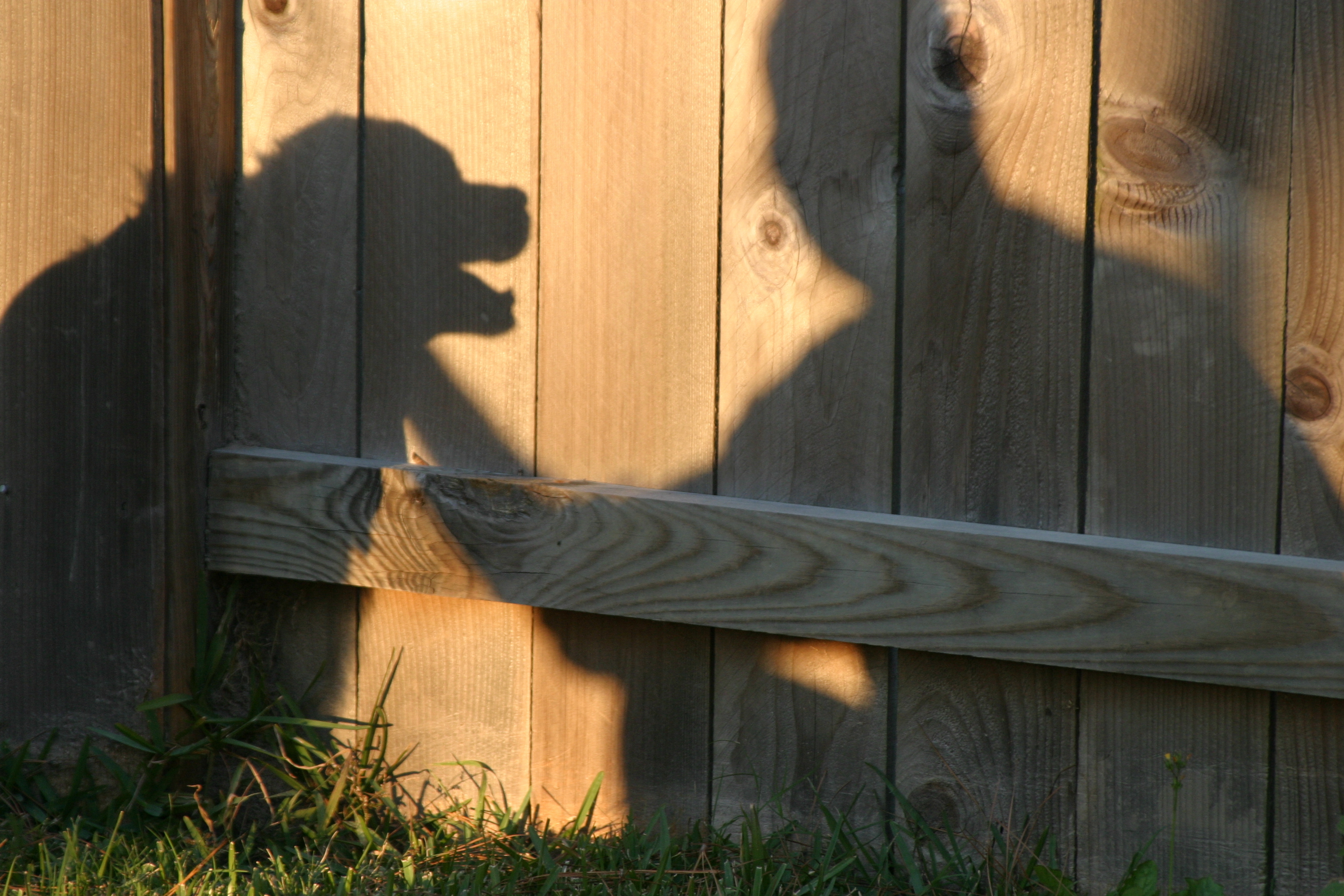
If you’ve ever watched your dog sleep, you’ve probably noticed the telltale signs: paws twitching as if sprinting across an invisible field, a muffled bark, or a tail that gives a few sleepy wags. It’s hard not to wonder what’s happening in their minds while they dream.
Science now suggests those nightly adventures may be more personal than we once thought. Much like humans, dogs cycle through deep sleep and a stage called rapid eye movement (REM) sleep, when the most vivid dreams occur. During that time, their brains replay the moments that matter most from their waking lives. And for most dogs, nothing matters more than their humans.
Harvard psychologist Dr. Deirdre Barrett explains that because dogs are deeply bonded with their owners, it’s likely that many of their dreams center on familiar faces, scents, and shared moments of play. In other words, when your pup is kicking their legs mid-nap, they might not just be chasing a ball; they might be chasing you.
The Science of Dreams in Animals
Dreams are often thought of as a uniquely human experience, but research suggests they’re a much broader feature of mammalian life. Most mammals, from mice to elephants, share a similar sleep architecture: a cycle that alternates between deep, restorative rest and a phase known as rapid eye movement (REM) sleep. REM is the stage when the brain is highly active and when vivid, story-like dreams occur in people. The fact that dogs enter this same phase is one of the strongest clues that they, too, dream.
Since animals can’t describe their dreams, scientists have had to take creative approaches to studying them. One of the clearest demonstrations came from a Massachusetts Institute of Technology study in 2001. Neuroscientist Matthew Wilson tracked rats running through a maze, then monitored their brain activity as they slept. When the rats entered REM sleep, their brains lit up in the exact same patterns seen during their waking runs. In effect, they were replaying the maze in dream form, a strong sign that their dreams were reflections of their daily experiences.
Cats have offered even more striking evidence. In the 1950s, French neuroscientist Michel Jouvet disabled a part of the brainstem that normally prevents muscle movement during REM sleep. Without this inhibition, cats acted out their dreams: stalking invisible prey, pouncing, and even arching their backs as though facing an enemy. Their bodies were in the laboratory, but their minds were clearly elsewhere, immersed in a dream world that mirrored their natural instincts.
Taken together, these findings show that dreaming is not an abstract, human-only phenomenon. Instead, it appears to be a built-in function of the mammalian brain, a nightly rehearsal of the events, emotions, and interactions that shape waking life. For dogs, that means their dreams likely revolve around the things that define their world most vividly: food, play, and the people they love.
What Dogs Likely Dream About

Dreams tend to mirror daily life. For people, this means replaying conversations, stressful deadlines, or joyful reunions in more visual and less logical ways. Dogs appear to follow the same rule. According to Harvard psychologist Dr. Deirdre Barrett, dogs are “likely dreaming of your face, your smell, and of pleasing or annoying you,” because our pets are so deeply attached to us.
This idea fits with what researchers call the continuity hypothesis of dreaming, the theory that dreams are built from waking experiences. Just as a child might dream about their favorite game or a student might relive a school exam in their sleep, dogs probably dream about the activities and relationships that fill their days. For most, that includes chasing squirrels, playing tug-of-war, eating dinner, and spending time with their owners.
The details may differ depending on the dog. Studies of dream frequency suggest that small dogs, like Chihuahuas, dream more often but in shorter bursts. Larger dogs, like Golden Retrievers, dream less frequently but their dream episodes can last much longer. That means the type and length of a dog’s dream life may be as unique as its breed and personality.
Dogs can also experience nightmares. Just as humans sometimes relive stressful events during sleep, a dog may whimper or twitch through a bad memory of bath time, a thunderstorm, or an unpleasant vet visit. While it can be tempting to wake them, veterinarians caution against interrupting dreams, as the sudden startle can lead to confusion or aggression. Instead, it’s best to let the dream run its course and offer comfort once your dog wakes on its own.
How to Recognize When Your Dog Is Dreaming

Dreams are most likely happening during REM sleep, which usually begins about 20 minutes after a dog falls asleep. In this stage, the brain is active but the body is mostly relaxed. When the brain’s control over muscles slips, especially in puppies and older dogs, you may notice telltale signs:
Twitching paws or legs that look like running in place
Tail wagging without external stimulation
Soft barks, whines, or growls that repeat in a pattern
Rapid eye movements beneath closed lids, signaling active dreaming

Veterinarians note that the more coordinated and repetitive the motions, the more likely your dog is acting out a dream rather than experiencing random sleep spasms. For example, a pup paddling its legs and barking in rhythm is probably “chasing” something in its dream.
It’s also important to recognize what’s not a cause for concern. Occasional whimpers, twitching, or even signs of distress during sleep are normal. Unless unusual behaviors continue after waking, such as confusion, disorientation, or aggression, there’s no need to intervene. In fact, experts recommend letting dogs sleep undisturbed, even during what looks like a nightmare. Just as with humans, interrupting a dream can leave them startled and unsettled.
For dog owners, these small glimpses into sleep can be fascinating. Every twitch and muffled bark is a reminder that your pet is not only resting but also living a rich inner life, one that may be filled with the same joys and fears they experience while awake.
Can We Improve a Dog’s Dreams?

If dreams reflect waking life, then the best way to improve your dog’s dream world is to enrich their daily experiences. Dr. Deirdre Barrett, who has studied sleep across species at Harvard Medical School, suggests that “the best way to give ourselves or our children better dreams is to have happy daytime experiences and to get plenty of sleep in a safe and comfortable environment. It’s a good bet this is also best for pets’ dreams.”
For dogs, that means the routines you create during the day may shape what they experience at night. A few practical steps can help:
Provide plenty of exercise and play. Active dogs not only sleep more soundly but also likely dream more vividly about the games and adventures they enjoyed. A long walk, a game of fetch, or playtime with other dogs can set the stage for pleasant dreams.
Create a calm bedtime routine. Just as people benefit from winding down before bed, dogs do too. Quiet play, gentle petting, or a predictable bedtime helps signal that it’s time to rest.
Ensure a safe, comfortable sleep environment. A soft bed, a quiet room, and protection from sudden noises reduce stress and encourage deeper sleep cycles where dreams occur.
Maintain consistent schedules. Dogs thrive on routine. Regular feeding times, walks, and sleep schedules help stabilize their biological rhythms, which in turn support healthy sleep.
Reduce stressors. Loud environments, irregular routines, or tense interactions can contribute to anxiety, which may spill into their dreams as nightmares.
While we can’t control exactly what a dog dreams about, we can influence the raw material their brain processes during REM sleep. A dog who spends their day engaged, well cared for, and emotionally secure is more likely to drift into sleep filled with the sights, smells, and interactions that bring them joy.
What Dog Dreams Mean for the Human-Dog Bond

Learning that dogs likely dream about their owners changes the way we see our relationship with them. Dogs already spend nearly half their lives asleep, which means that much of their dream world is filled with the people they live with every day. Knowing that your dog might be dreaming of a walk you took together, a game of fetch in the park, or even just curling up by your side makes those everyday moments feel even more significant.
This understanding resonates with pet owners everywhere. When Dr. Deirdre Barrett’s comments about dogs dreaming of their humans were reported in mainstream outlets, many people shared emotional responses online, imagining their pets reliving favorite memories or “checking in” on them through dreams. The idea that you’re not only your dog’s companion in waking life but also a recurring figure in their dream life reinforces just how central you are to their world.
It also reframes how we interpret those small nighttime signs, the twitch of a paw, a muffled bark, or a wagging tail during sleep. Instead of being random movements, they could be physical echoes of your dog dreaming about running toward you, playing with you, or protecting you.
For many, this knowledge strengthens the bond. It’s a reminder that the affection we show our dogs doesn’t end when the day does, it carries into their sleep. Each playful interaction and moment of care becomes part of the raw material for the dreams that fill their nights. In that sense, our presence in their dreams is one more way dogs show us just how deeply they are connected to us.
A Nighttime Reminder of Love
Dogs may not be able to tell us what they dream about, but science paints a clear picture: their nights are often filled with the same joys and connections that shape their days. From chasing a ball to snuggling on the couch, and most importantly, from being near the humans they love, their dream world is an extension of the bond they share with us.
This knowledge isn’t just heartwarming, it’s a call to action. The routines we create, the time we invest in play, and the care we give our pets ripple into their inner lives. By offering them love, security, and fulfilling experiences while awake, we are also shaping the dreams they carry into sleep.
So the next time you notice your dog’s paws twitching or hear a soft bark in the middle of the night, imagine that you might be right there in their dream. It’s a reminder that for your dog, you’re not just a part of their world, you are their world, both awake and asleep.
