
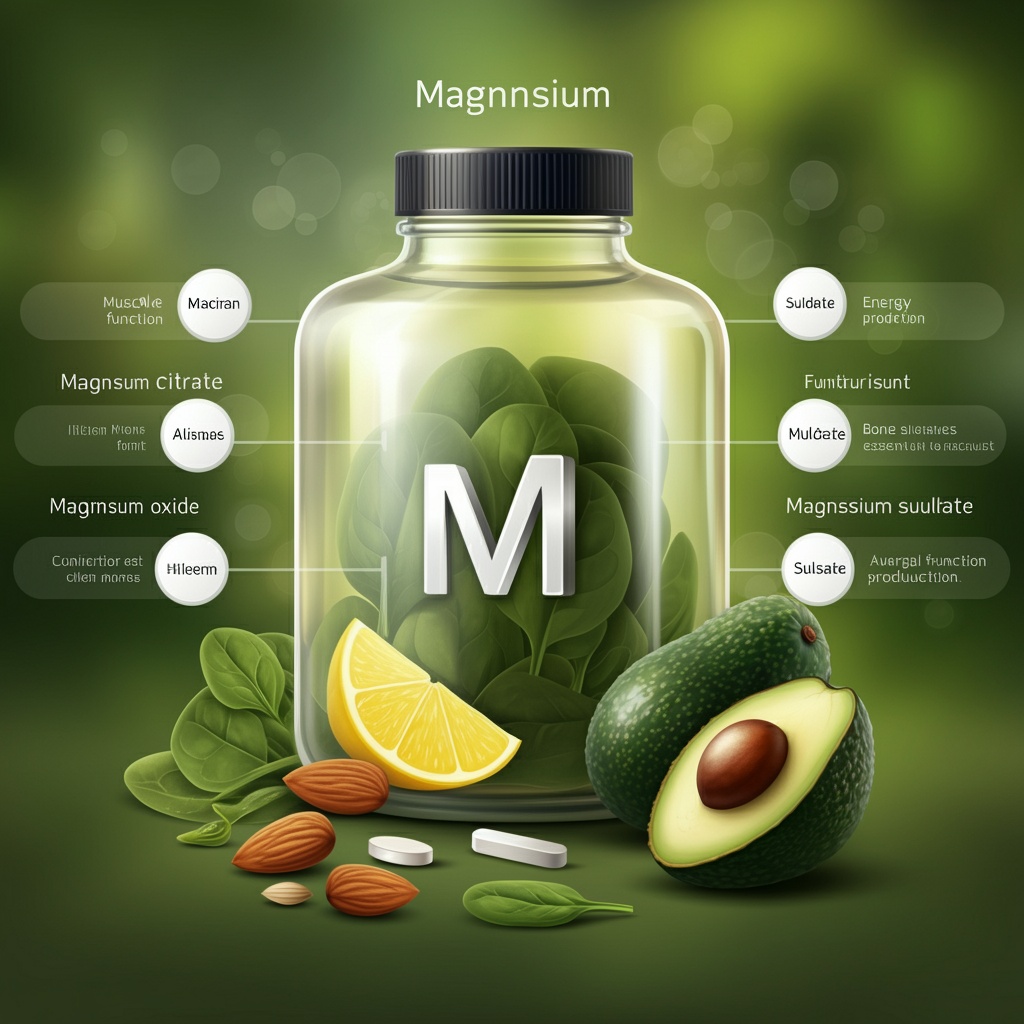
Magnesium might just be the hidden key to better health that many of us are overlooking. This essential mineral is involved in countless biological processes, from muscle and nerve function to energy production and nutrient absorption. Yet, despite its vital role, magnesium deficiency is surprisingly common, affecting a significant number of people worldwide.
As our diets have shifted and modern farming practices have depleted magnesium-rich soils, getting enough of this nutrient has become increasingly challenging. For those struggling with fatigue, muscle cramps, or even heart health issues, a lack of magnesium could be a contributing factor.

Why Magnesium is Vital for Health
Magnesium is essential to our bodies, driving countless biological functions that keep us healthy and active. This mineral plays a critical role in muscle contraction and nerve activity, ensuring that our bodies can move and respond as needed. Beyond its muscular benefits, magnesium is integral to creating adenosine triphosphate (ATP), the molecule that powers every cell’s energy production. This means that without adequate magnesium, our bodies can experience fatigue, lack of focus, and reduced physical endurance. Magnesium even aids in digesting proteins, carbohydrates, and fats, breaking down nutrients so our bodies can absorb them effectively.
One of magnesium’s most unique roles is its relationship with calcium. While calcium is responsible for muscle contraction, magnesium facilitates muscle relaxation. This balance is crucial, particularly for heart health, as both minerals work together to keep muscles from becoming too tense. If calcium levels become too high in relation to magnesium, the body may experience muscle spasms and cramps. Dr. Carolyn Dean, a well-regarded medical and naturopathic doctor, has highlighted how magnesium acts as a calming agent, balancing calcium’s stimulating effects. Without enough magnesium to counterbalance calcium, muscles and nerves may become overactive, which can lead to complications like hypertension and stress.
Moreover, magnesium contributes to mental well-being by influencing neurotransmitter activity, especially serotonin. This neurotransmitter, often called the “feel-good” hormone, plays a role in mood regulation, making magnesium a key player in managing stress and preventing anxiety. When magnesium levels are low, serotonin production can suffer, leading to feelings of depression and irritability. With magnesium involved in such a diverse range of bodily functions, it’s no wonder that it is considered an “essential” mineral, one we must strive to maintain in sufficient amounts for both physical and mental health.
The Heart-Magnesium Connection
The connection between magnesium and heart health is profound and may be one of the most critical aspects of this mineral’s role in the body. Our hearts rely heavily on magnesium to maintain steady electrical impulses, supporting a regular heartbeat. The left ventricle of the heart, responsible for pumping oxygenated blood throughout the body, contains a particularly high concentration of magnesium. This mineral helps regulate blood flow and maintain a healthy blood pressure, making it indispensable for cardiovascular health. When magnesium is deficient, the heart can struggle to function correctly, and risks such as arrhythmias and even heart attacks can increase.
In addition to magnesium and calcium, vitamins D and K2 also come into play in heart health, as these nutrients work together in a complex synergy. For instance, vitamin D aids in calcium absorption, but without enough magnesium, this calcium can build up, leading to potential issues like calcification in arteries. Vitamin K2 is equally essential, as it directs calcium to the bones where it belongs and prevents it from depositing in the arteries. This intricate “nutrient dance” shows why a balanced intake of magnesium, calcium, vitamin D, and K2 is crucial for maintaining a healthy heart. Magnesium serves as a calming agent, allowing blood vessels to relax and aiding in overall cardiovascular stability.
Beyond its role in managing blood pressure, magnesium is essential in preventing dangerous calcium buildup within arteries. Studies suggest that low magnesium levels may be linked to an increased risk of arterial stiffness and calcification, conditions that elevate the risk of heart disease. For anyone concerned about cardiovascular health, ensuring a balanced intake of these nutrients is one way to support the heart’s complex needs. As magnesium helps prevent excessive calcium from accumulating in the arteries, it plays an active role in reducing the risk of heart disease, making it one of the most vital minerals for heart health.

Finding Magnesium in Your Diet
Incorporating magnesium into one’s diet is possible, though it can be challenging given modern farming practices. Magnesium can be found in a variety of foods, with leafy greens, nuts, and seeds being some of the best sources. For instance, spinach, Swiss chard, and kale offer substantial magnesium content. Nuts like almonds and seeds such as pumpkin and sunflower seeds are also rich in this essential mineral. However, due to the depletion of magnesium in soils from industrial agriculture, even magnesium-rich foods may not provide the same benefits as they did in the past. This is why it’s increasingly important to prioritize a diet with diverse magnesium sources.
Beyond common leafy greens and seeds, seaweed is another valuable source of magnesium. Seaweed, including varieties like nori, kelp, and dulse, contains not only magnesium but other essential minerals that can support overall health. Other beneficial sources include avocados, beans, and legumes, which offer magnesium along with fiber, helping to support digestive health as well. For those seeking an additional boost, juicing vegetables, particularly green leafy types, provides a concentrated form of nutrients, ensuring that magnesium intake is maximized even in smaller portions. This method also aids absorption, as juicing breaks down the cell walls of plants, releasing the nutrients more readily.
However, due to modern agricultural challenges, many people may still struggle to get enough magnesium from food alone. Herbicides like glyphosate, often used in conventional farming, act as chelators that can block mineral absorption in plants, further lowering magnesium levels. As a result, those interested in a well-rounded magnesium intake might consider supplementation as a reliable alternative. Ensuring magnesium intake through diet or supplements can help maintain healthy magnesium levels, especially for those with limited access to nutrient-dense foods or organic produce grown in mineral-rich soils.
Signs You Might be Deficient
Identifying a magnesium deficiency can be challenging, as early symptoms are often subtle and easily overlooked. Common initial signs of low magnesium levels include a decrease in appetite, unexplained fatigue, and frequent headaches. These mild symptoms can progress if magnesium levels are not restored, gradually impacting other bodily functions. Additionally, individuals with a magnesium deficiency may feel weaker and more prone to minor illnesses, as magnesium supports immune function. Given that these signs can be mistaken for everyday fatigue or stress, many people may not immediately connect them to a potential nutrient deficiency.
As the deficiency becomes more severe, the symptoms tend to intensify. Muscle cramps, especially in the legs, and sensations of tingling or numbness in the extremities are common. Magnesium deficiency can even influence mood and cognitive function, leading to irritability, mood swings, or even mild depression. For some, this mineral deficiency might present itself through sleep disturbances, as magnesium plays a role in the production of melatonin, a hormone that helps regulate sleep. It’s also linked to heart health; prolonged magnesium deficiency can contribute to irregular heart rhythms and coronary spasms, which may pose serious health risks.
In her book, The Magnesium Miracle, Dr. Carolyn Dean offers resources for assessing magnesium deficiency symptoms. She provides checklists that can help individuals track signs of deficiency over time, allowing them to make informed decisions about their magnesium intake. These resources can be especially helpful for those who experience chronic symptoms, as even a slight boost in magnesium levels may alleviate discomfort. Monitoring for these symptoms and addressing magnesium intake can have a meaningful impact on quality of life and long-term health.
Supplementing with Magnesium – What You Need to Know
For many people, dietary sources alone may not provide sufficient magnesium, especially considering modern agricultural challenges. This is where magnesium supplements can be beneficial, though selecting the right type is essential for effectiveness and comfort. Oral magnesium supplements, such as magnesium citrate and magnesium glycinate, are commonly available, but they can sometimes cause stomach upset or even diarrhea if taken in large amounts. For those with sensitive digestive systems, topical magnesium, such as sprays or lotions, provides an alternative, offering direct absorption through the skin without gastrointestinal side effects.
The type of magnesium supplement you choose matters, as different forms are absorbed at varying rates. Magnesium citrate, for example, is easily absorbed but may cause mild laxative effects, making it best for those who also need digestive support. Magnesium glycinate is another option, known for its gentle effect on the stomach, making it ideal for individuals with digestive sensitivities. Topical magnesium, such as magnesium chloride oil, can be applied directly to sore muscles or areas of tension, providing targeted relief without the potential for digestive discomfort. This method is especially useful for athletes or those experiencing muscle cramps, as it offers a quick, effective means of restoring magnesium levels.
For those new to magnesium supplements, it’s recommended to start with a low dose and gradually increase to avoid side effects. Consulting with a healthcare provider is advisable, especially if you are taking medications that could interact with magnesium. As magnesium can influence heart rate and blood pressure, professional guidance ensures safe and effective supplementation. Finding the right balance with magnesium can lead to noticeable benefits, from improved sleep and reduced muscle tension to better stress management and overall well-being.
Sources:
- Ter Braake, A. D., Shanahan, C. M., & De Baaij, J. H. (2017b). Magnesium counteracts vascular calcification. Arteriosclerosis Thrombosis and Vascular Biology, 37(8), 1431–1445. https://doi.org/10.1161/atvbaha.117.309182
- Ter Braake, A. D., Vervloet, M. G., De Baaij, J. H. F., & Hoenderop, J. G. J. (2020). Magnesium to prevent kidney disease–associated vascular calcification: crystal clear? Nephrology Dialysis Transplantation, 37(3), 421–429. https://doi.org/10.1093/ndt/gfaa222
