
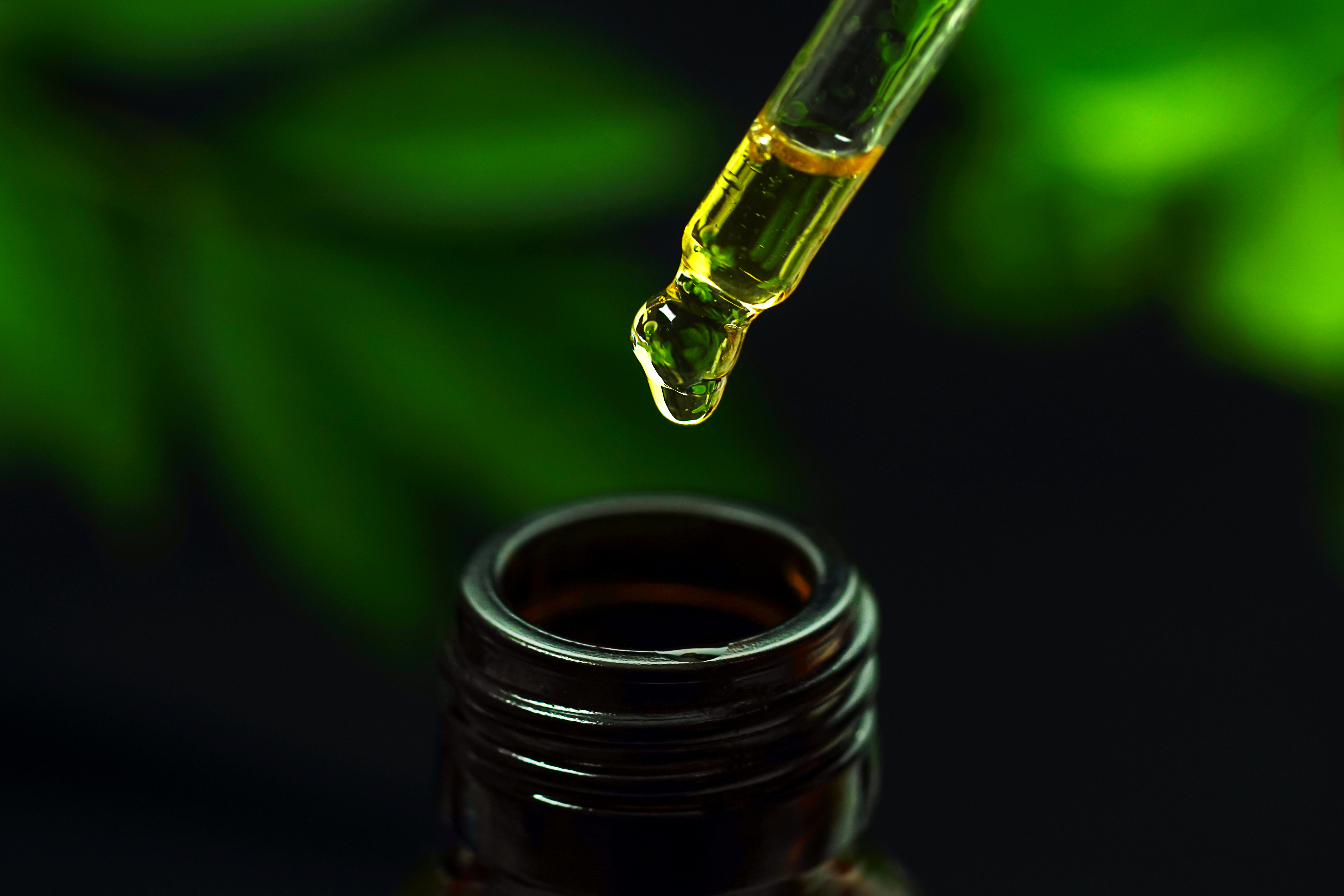
Trema micrantha might just be the game-changer the CBD industry needs. With its ability to thrive in tough conditions and produce high-quality CBD without the legal red tape of cannabis, this unassuming plant has the potential to shake up the market. It’s an opportunity for cheaper, more sustainable CBD that could reach people in places where cannabis production is too complicated or expensive.
Sure, there are hurdles to clear—like figuring out the best extraction methods and earning public trust—but the upside is hard to ignore. If researchers can unlock its full potential, we could see this humble weed become a cornerstone of both the health and farming industries, making CBD more accessible and affordable for people around the world. In the end, Trema micrantha is a reminder that sometimes the most unexpected solutions are the ones that make the biggest impact.
Meet Trema micrantha: The Overlooked Shrub

Trema micrantha blume sounds like a fancy name for a plant nobody cares about, but it’s a tough little survivor. This fast-growing shrub or small tree is found across tropical and subtropical regions of South and Central America. You’ll spot it on roadsides, abandoned farms, or patchy forest edges, thriving in crummy soil with barely any water. It’s so hardy that ecologists use it to restore degraded land, thanks to its nitrogen-fixing roots that enrich the soil.
Part of the Cannabaceae family, it’s a distant cousin to cannabis and hemp, but nobody gave it much thought until recently. Local communities in Brazil and Central America have used the leaves or bark of these plants for basic remedies, such as soothing skin irritations or easing inflammation. Still, its chemical makeup stayed off the scientific radar—until a team of curious researchers decided to take a closer look.
How Scientists Stumbled on CBD in Weed
A group at the Federal University of Rio de Janeiro, led by molecular biologist Dr. Rodrigo Moura Neto, set out to study native plants for hidden bioactive compounds. They weren’t expecting a blockbuster, but Trema micrantha caught their attention when early tests hinted at something special in its flowers and fruit. Using high-tech tools like gas chromatography and mass spectrometry, they hit the jackpot: cannabidiol (CBD), the therapeutic compound famous from cannabis, was hiding in this so-called weed. Even better? No trace of tetrahydrocannabinol (THC), the stuff in marijuana that gets you high.
“This is a plant that grows all over Brazil. It would be a simpler and cheaper source of cannabidiol,” Dr. Moura Neto told AFP, highlighting the plant’s potential to sidestep the legal mess tied to cannabis. This marked the first time scientists found CBD in a plant unrelated to traditional cannabis or hemp. The Brazilian government moved quickly, granting the team 500,000 reais (approximately $104,000) to continue exploring the plant’s potential over the next five years.
Why This Plant Could Shake Up CBD Production

CBD is everywhere these days—think oils, gummies, or creams for anxiety, pain, or sleep issues. The global market was valued at nearly $5 billion in 2022 and is projected to surge to $47 billion by 2028, driven by increasing demand for natural health solutions. But getting high-quality CBD to people isn’t easy. Cannabis faces tight rules, expensive farming needs, and legal battles in many places. Trema micrantha could change all that. Here’s why:
- Legal Freedom: Without THC, this plant might dodge the strict regulations that make cannabis tricky to grow or study. Researchers and companies could work with it freely in countries where cannabis is a no-go.
- Lower Costs: Cannabis needs fancy setups—controlled lights, irrigation, and constant THC checks. Trema micrantha grows like a weed (literally), requiring little care and thriving in harsh conditions. That could reduce production costs and make CBD more affordable for everyone.
- Eco-Friendly: Cannabis farming guzzles water and can harm soil with pesticides. Trema micrantha improves the dirt it grows in and fits sustainable farming like a glove.
- Global Access: Countries with strict cannabis laws or shaky healthcare systems could grow this plant to bring affordable CBD to their people, no controversy needed.
As the demand for CBD continues to grow, Trema micrantha presents an opportunity to meet this need in a way that’s both cost-effective and environmentally sustainable. With its ability to thrive in harsh conditions and provide a high-quality product without the legal complications of cannabis, this plant could reshape the global CBD market. For regions with limited access to cannabis-derived CBD or those looking for more sustainable farming practices, Trema micrantha offers a promising alternative, ensuring that CBD becomes more widely available and affordable for people around the world.
Why Does This Plant Make CBD?

Finding CBD in Trema micrantha raises a big question: how does a random shrub produce the same compound as cannabis? Being part of the Cannabaceae family might hold the key. Millions of years ago, these plants likely shared a common ancestor with those that produce cannabinoids. Scientists are now studying the plant’s biosynthetic pathways to figure out how it whips up CBD without THC. They’re also hunting for other minor cannabinoids—compounds that might boost CBD’s effects, like an entourage of helpers.
“It was wonderful to find a plant (with CBD but) without THC, because you avoid all the mess around psychotropic substances,” Dr. Moura Neto said to AFP, emphasizing the legal and practical perks. The team’s $104,000 grant will fuel studies on how to extract CBD efficiently and test if it works as well as cannabis-derived CBD for medical uses. There’s even talk of other plants hiding similar compounds, which could spark a whole new wave of plant-based discoveries.
From Labs to Lives

This isn’t just a cool lab trick—it could touch lives worldwide. CBD shows promise for treating epilepsy, chronic pain, anxiety, and even autism symptoms, though research is still catching up. If Trema micrantha delivers CBD as well as cannabis, it could make these treatments more accessible, especially in poorer countries where healthcare is scarce. Imagine community health programs utilizing a locally grown plant to alleviate pain or seizures without incurring significant costs.
Beyond medicine, this plant could inspire wild ideas. Picture lightweight, biodegradable materials infused with CBD for monitoring health in space missions. Or consider eco-friendly textiles that combine CBD’s therapeutic benefits with durability. Dr. Ethan Russo, a cannabis research expert, called the discovery “potentially transformative,” noting to AFP that it could disrupt the market by making CBD cheaper and more available. From rural clinics to high-tech labs, this weed could make waves.
Challenges Before the Big Breakthrough
Turning Trema micrantha into a profitable CBD source offers great potential, but several challenges must be addressed. Researchers and businesses need to navigate issues with extraction, regulation, public trust, and ethics before it can become a viable resource.
- Extraction issues: The CBD content in Trema micrantha is unknown, and if levels are low, extracting enough CBD could be costly. Researchers will need cost-effective methods that don’t compromise quality.
- Regulatory risks: Even without THC, new regulations could emerge as the plant gains popularity. Clear, stable laws are essential to support industry growth and avoid legal complications.
- Public trust: Consumers are familiar with cannabis-derived CBD, but a new plant source might raise concerns. Solid research is needed to prove that Trema micrantha is just as safe and effective.
- Ethical concerns: The commercialization of this plant risks exploiting local communities with traditional knowledge. Fair compensation and respect for indigenous rights are necessary to ensure ethical practices.
While Trema micrantha shows great promise, overcoming these challenges is essential for its success. By addressing extraction methods, regulatory clarity, public trust, and ethical issues, this plant could become a reliable CBD source that benefits both the industry and local communities.
What’s Next for This Humble Plant

The road ahead looks exciting. Dr. Moura Neto’s team is gearing up for five to ten years of research, from perfecting CBD extraction to testing its medical powers. Companies are already knocking, eager to tap into the multi-billion-dollar CBD market. Plant geneticist Dr. Carla Oliveira put it best: “This proves why protecting ecosystems and native flora is so important. We have no idea what medicinal treasures may still be hidden in so-called weeds.” Her words remind us that nature’s throwaways might hold the keys to tomorrow’s cures.
Scientists also want to explore if Trema micrantha hides other valuable compounds. Could it produce minor cannabinoids that boost CBD’s effects? Might other overlooked plants have similar secrets? The discovery has sparked a broader hunt for nature’s hidden gems, pushing researchers to look beyond famous plants like cannabis.
This shrub could also reshape global trade. Countries without legal cannabis industries may consider cultivating Trema micrantha to capitalize on the CBD boom, thereby boosting their economies and healthcare systems. It’s an opportunity to establish sustainable, ethical supply chains that don’t harm the planet or its people.
A Weed Worth Celebrating

Trema micrantha’s potential is a game-changer for the CBD industry, offering a more sustainable, cost-effective alternative to traditional cannabis farming. With no THC, it could bypass the complex legal challenges tied to cannabis while providing a reliable source of CBD. The plant’s hardiness and ability to thrive in poor conditions also make it an ideal candidate for eco-friendly farming practices, which is crucial for the future of global agriculture and health.
However, significant hurdles remain. Researchers must refine extraction methods, navigate regulatory landscapes, and ensure the plant’s safety and efficacy. Public trust will also play a critical role in determining whether Trema micrantha can gain widespread acceptance as a legitimate source of CBD. Additionally, ethical considerations, particularly regarding local communities, must be prioritized to avoid exploitation as the plant’s commercial value grows.
Despite these challenges, the future of Trema micrantha looks promising. If scientists can unlock its full potential, this plant could revolutionize the CBD market and provide a more accessible, sustainable solution for global health. The ongoing research into its medicinal properties and environmental benefits is just the beginning, and this humble shrub may soon be recognized for its far-reaching impact.
Source:
- Ribeiro, R., Da Silva, Y. C., Finotti, R., Carneiro, G. R. A., Santos, G. R. C. D., Pereira, H. M. G., Padilha, M. C., & Veiga-Junior, V. F. (2024). Trema micranthum (L.) Blume as a new source of cannabinoids. Scientific Reports, 14(1). https://doi.org/10.1038/s41598-024-80857-6
