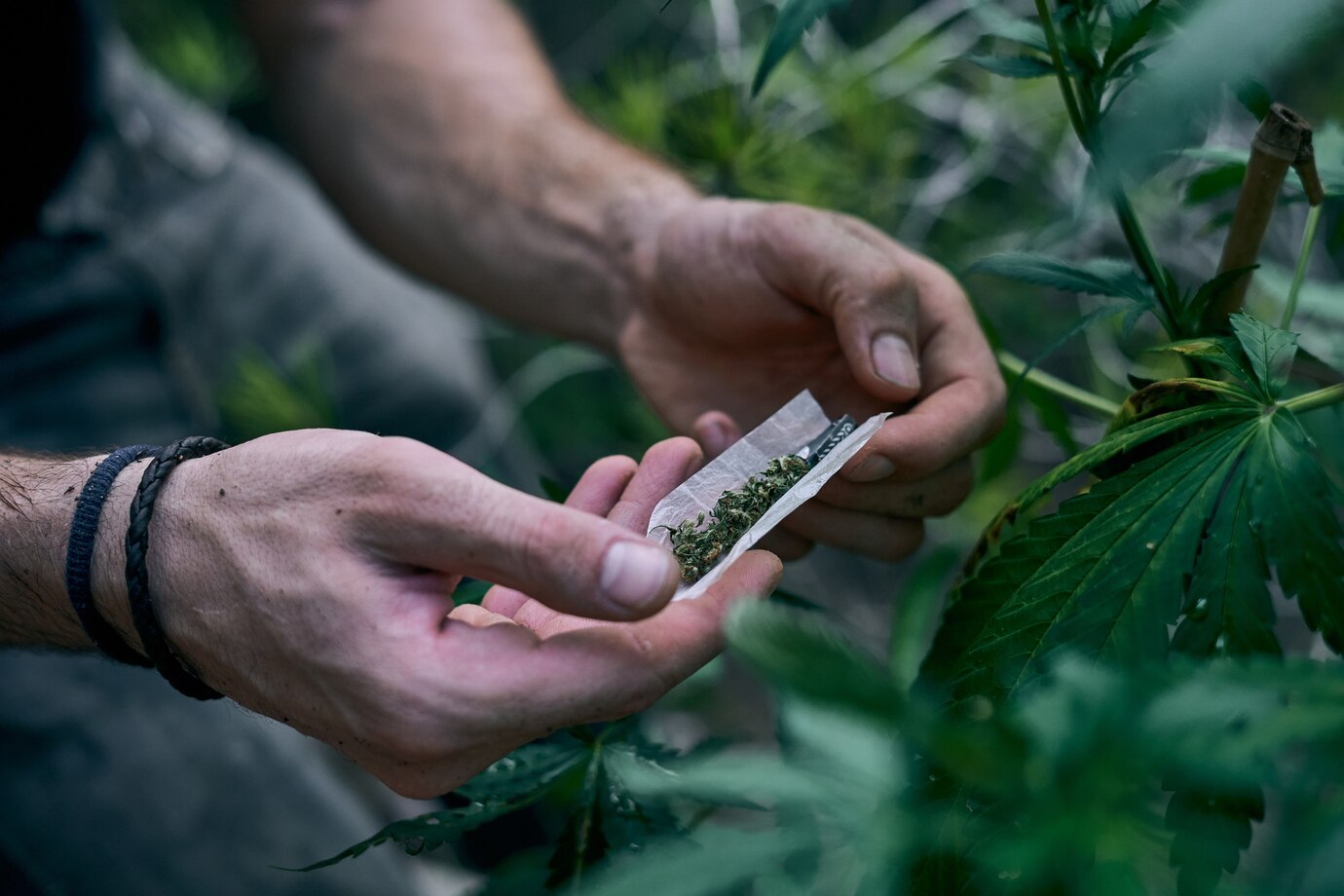
Study Claims Use of Marijuana Could Lead to Potential Dementia Diagnosis Within the Next 5 Years
What if the thing you’re using to relax could be quietly affecting your brain in ways you won’t notice for years?
Cannabis is more popular—and accessible—than ever. In the U.S., nearly 30% of adults between 35 and 50 used it last year, the highest rate ever recorded for that age group. But while public perception has shifted toward acceptance, new research suggests we may be overlooking a growing health risk, especially for older adults: the potential link between heavy cannabis use and dementia.
A massive Canadian study involving over six million people has uncovered a concerning pattern—those who ended up in the hospital for cannabis-related issues were significantly more likely to be diagnosed with dementia within five years. And this isn’t about casual use. The data points to serious, chronic use that leads to ER visits or hospitalization.
What the Research Really Shows About Cannabis and Dementia Risk
A recent study published in JAMA Neurology has stirred up attention for good reason: it links heavy cannabis use to a significantly increased risk of being diagnosed with dementia within five years. But headlines can be misleading, so let’s get clear on what this research actually says—and what it doesn’t.
Researchers analyzed the health records of over 6 million Canadian adults aged 45 and older. Among them, about 16,000 people had been hospitalized or visited the emergency room specifically for issues related to cannabis use—this includes cases like cannabis-induced psychosis, addiction, or poisoning. These aren’t casual users—they’re individuals whose cannabis use caused medical emergencies.
Here’s what the numbers showed:
5% of people who had cannabis-related hospital visits were diagnosed with dementia within five years.
That compares to 3.6% of people hospitalized for any reason and 1.3% of people in the general population.
When adjusted for age, sex, chronic disease, mental health history, and other factors, the relative risk of dementia was:
23% higher compared to those hospitalized for other reasons
72% higher compared to the general population
Some headlines have claimed cannabis users are “four times more likely” to develop dementia. That figure comes from comparing the 5% dementia rate in the cannabis group to the 1.3% in the general population. But it’s crucial to understand that these are associations, not proof of causation.
Dr. Daniel Myran, a co-author of the study, emphasized this point in an interview: “This is not a study that anyone should look at and say, ‘Jury’s in, and cannabis use causes dementia.’ This is a study that brings up a concerning association that fits within a growing body of research.”
Why Hospital Visits for Cannabis Use Matter
Not all cannabis use is the same—and this study didn’t focus on occasional use or mild recreational habits. Instead, it looked specifically at people who ended up in the emergency room or were hospitalized because of their cannabis use. That detail matters more than most headlines let on.
Hospital visits tied to cannabis usually involve serious health issues like psychotic episodes, severe anxiety, cannabis hyperemesis syndrome (a condition that causes repeated vomiting), or other acute behavioral and mental health crises. These are signs of problematic use, not someone smoking once in a while to unwind.
According to the study, between 2008 and 2021, cannabis-related hospital visits increased dramatically—fivefold for adults aged 45–64 and nearly 27-fold for those 65 and older. This spike is likely due in part to broader legalization, higher-potency products, and increased use among older adults.
So why do these hospital visits matter in the context of dementia risk? They may serve as a red flag—not just for cannabis use itself, but for the intensity and pattern of use that can affect the brain over time. People showing up in hospitals for cannabis-related problems are more likely to also have underlying risk factors like mental health disorders, chronic substance use, or high stress levels—all of which can contribute to cognitive decline.
Dr. Steve Allder, a consultant neurologist who reviewed the findings, explained it this way: “Cannabis might not directly ‘cause’ dementia, but it contributes to a complex web of risks—including vascular, psychological, and neurological—that together elevate the likelihood of a dementia diagnosis.”
How Cannabis Might Affect Brain Health Over Time
Heavy cannabis use doesn’t just cause short-term effects like impaired memory or anxiety—it can lead to long-lasting changes in the brain, especially when use starts in midlife or earlier and continues over time. While the recent study doesn’t prove cannabis directly causes dementia, there are several known ways it could contribute to the kind of cognitive decline that leads there.
1. THC and Brain Structure
Tetrahydrocannabinol (THC), the main psychoactive compound in cannabis, directly affects parts of the brain responsible for memory and decision-making. Long-term exposure to THC has been linked to reduced hippocampal volume—a region essential for forming new memories and one of the first areas affected in Alzheimer’s disease.
Imaging studies have also shown lower grey matter density in cannabis users, particularly in areas of the brain tied to emotion regulation and executive function. These structural losses can impair reasoning, attention, and the brain’s ability to adapt or recover from damage—abilities that are vital to preserving cognitive health with age.
2. Neuroplasticity and Connectivity
Heavy cannabis use may reduce levels of brain-derived neurotrophic factor (BDNF), a protein crucial for maintaining neuroplasticity—the brain’s ability to form new connections. Lower BDNF levels are associated with poorer brain resilience and higher dementia risk. White matter changes have also been observed in chronic users, affecting how different parts of the brain communicate.
3. Vascular and Heart Health
Cannabis has been linked to an increased risk of high blood pressure and stroke—both known risk factors for dementia. Over time, impaired blood flow to the brain can accelerate neuronal damage and cognitive decline.
4. Mental Health and Injury Risk
Cannabis use is often tied to higher rates of depression, anxiety, and psychosis—all of which are independently associated with cognitive decline. Additionally, being intoxicated increases the likelihood of falls or head trauma, which can lead to traumatic brain injuries, another strong contributor to dementia.
5. Potency Matters
Today’s cannabis is far more potent than what was available a generation ago. Some products now contain THC concentrations upwards of 70–80%. While research hasn’t fully caught up to these newer products, early evidence suggests that higher potency correlates with more severe cognitive and psychiatric side effects.
As neurologist Dr. Steve Allder put it, these changes don’t exist in isolation: “Collectively, these structural and functional changes can undermine cognitive reserve and potentially accelerate age-related neurodegeneration.” So while lighting up now and then might seem harmless, persistent, heavy use—especially in midlife or older—could be silently compromising brain health in ways that won’t show up until years later.
Cannabis Use Disorder (CUD): A Hidden Risk Factor
One of the most overlooked drivers behind cannabis-related health risks—including the potential for cognitive decline—is Cannabis Use Disorder (CUD). It’s not a term most users are familiar with, but it’s more common than many realize—and it may be a key link between heavy cannabis use and dementia risk.
What Is CUD?
Cannabis Use Disorder is a medical condition where a person continues using cannabis despite it causing problems in their life—mental, physical, or social. It ranges from mild to severe, and many people with it don’t recognize that their use has crossed into risky territory.
Common signs of CUD include:
Using cannabis daily or almost daily
Unsuccessful attempts to cut down or quit
Strong cravings or urges to use
Withdrawal symptoms like irritability, sleep problems, or anxiety when not using
Continued use despite work issues, relationship strain, or mental health concerns
According to the National Institute on Drug Abuse, about 1 in 10 adults who use cannabis will develop CUD. That number jumps to 1 in 6 for those who start using before age 18.
CUD and Cognitive Decline
People with CUD are more likely to:
Use cannabis in larger amounts and for longer periods of time
Be exposed to high-THC products more frequently
Experience mental health problems like anxiety, depression, or psychosis—each of which independently raises dementia risk
End up in emergency rooms due to adverse reactions or behavioral health crises
These patterns align closely with the group studied in the cannabis-dementia research—older adults who needed acute hospital care for cannabis-related problems. While the study didn’t diagnose anyone with CUD directly, many likely met the criteria.
There’s also evidence from other long-term research showing that people who use cannabis heavily over years—especially those with dependence—show measurable declines in IQ, memory, and attention by midlife. These are the kinds of cognitive deficits that can precede dementia.
The Role of Denial and Underreporting
Because cannabis has a reputation for being “natural” or “safer than other drugs,” many people don’t think it can be addictive. That perception, combined with widespread legalization, makes it easy to miss when use becomes problematic.
Dr. Smita Das, chair of the American Psychiatric Association’s Council on Addiction Psychiatry, puts it plainly: “Cannabis is not benign. The more we learn, the more we see that long-term use—especially high-potency use—carries real risks, including to brain health.”
CUD isn’t always obvious, and it doesn’t always mean someone is using cannabis in extreme ways. But when it develops, it often brings a mix of behavioral, emotional, and physical consequences that can compound over time—and in the context of aging, that’s where it may quietly feed into long-term cognitive decline.
Tips for Reducing Risk: What You Can Do Today
If you’re over 45 and regularly use cannabis—whether for medical reasons, recreation, or stress relief—this doesn’t mean you’re destined for cognitive decline. But it does mean now is a good time to take a closer look at how you use it and what steps you can take to protect your brain health moving forward.
Here’s how to use cannabis more responsibly and lower your long-term risk:
1. Know Your Pattern of Use
Ask yourself:
How often do I use cannabis?
What form do I use (smoking, vaping, edibles, concentrates)?
Am I using it to manage pain, sleep, stress, or just out of habit?
If you’re using daily or almost daily, especially high-THC products, you may be at greater risk. Simply recognizing your current habits is the first step toward change.
2. Set Clear Limits—and Stick to Them
Try setting boundaries like using only on weekends or cutting back the amount or potency. If that feels difficult or you find yourself resisting limits, it could be a sign that your use is becoming compulsive—a key feature of Cannabis Use Disorder (CUD).
3. Avoid High-Potency Products
Products with extremely high THC levels (over 20%) are more likely to cause mental fog, anxiety, or addiction. Lower-potency products or those with balanced THC/CBD ratios may be less risky—especially for older adults.
4. Watch for Warning Signs
If you’re noticing:
Memory lapses
Difficulty concentrating
Increased anxiety or mood swings
Trouble quitting or cutting down
These are signs to take seriously. These symptoms might not seem urgent now but can become more serious over time.
5. Talk to Your Doctor—Especially if You’re Using for Medical Reasons
Even in states where cannabis is legal, many people use it without medical supervision. If you’re using cannabis to manage chronic pain, sleep, or other symptoms, your provider may help you find safer alternatives or optimize your dose.
Also, tell your doctor if you’ve noticed any changes in memory, thinking, or mood—these may be early signs of cognitive decline.
6. Consider Non-Drug Alternatives for Sleep, Stress, or Pain
If you’re using cannabis to manage something like sleep issues or chronic pain, therapies like CBT for insomnia, physical therapy, meditation, or acupuncture may reduce the need for cannabis altogether. These options don’t carry cognitive risks and have strong evidence behind them.
7. Don’t Go Through It Alone
If you’re trying to cut back but find it hard, you’re not alone—and you don’t have to quit cold turkey. Behavioral therapies like motivational enhancement therapy (MET) or cognitive behavioral therapy (CBT) have been shown to help people reduce cannabis use in a manageable, realistic way.
A Growing Health Concern That Deserves Attention
Cannabis is no longer a fringe substance—it’s legal in much of North America, widely available, and socially accepted. But as its use expands, especially among adults over 45, the science is beginning to raise red flags that are hard to ignore.
This recent study doesn’t claim cannabis causes dementia, but it shows a consistent, measurable pattern: people who use cannabis heavily enough to require medical care are at a significantly higher risk of being diagnosed with dementia within a few years. That risk doesn’t come out of nowhere. It’s likely tied to years of cognitive strain, high-potency THC exposure, mental health stressors, and possibly cannabis use disorder—all of which can fly under the radar.
What makes this even more concerning is that these risks are emerging in middle-aged and older adults—the same groups that are now turning to cannabis for pain, sleep, and anxiety relief. Legal doesn’t mean risk-free. And natural doesn’t mean harmless.
Here’s the bottom line: If you’re using cannabis regularly, especially after age 45, this is your window to be proactive. That doesn’t mean quitting immediately or living in fear—it means paying attention, asking questions, and being honest with yourself about how your brain feels now versus how it used to. Cognitive decline doesn’t happen overnight. But with what we now know, it’s worth asking: is your current use setting you up for clarity—or confusion—in the years ahead?
Staying sharp as we age isn’t just about crossword puzzles and exercise. It’s also about the choices we make today—and cannabis, for all its potential uses, deserves a far more honest conversation than it’s been getting.
Sources:
Stinson, F. S., Ruan, W. J., Pickering, R., & Grant, B. F. (2006). Cannabis use disorders in the USA: prevalence, correlates and co-morbidity. Psychological Medicine, 36(10), 1447–1460. https://doi.org/10.1017/s0033291706008361
Myran, D. T., Pugliese, M., Harrison, L. D., Stall, N. M., & Webber, C. (2025). Risk of dementia in individuals with emergency department visits or hospitalizations due to cannabis. JAMA Neurology. https://doi.org/10.1001/jamaneurol.2025.0530
The CureJoy Editorial team digs up credible information from multiple sources, both academic and experiential, to stitch a holistic health perspective on topics that pique our readers' interest.