
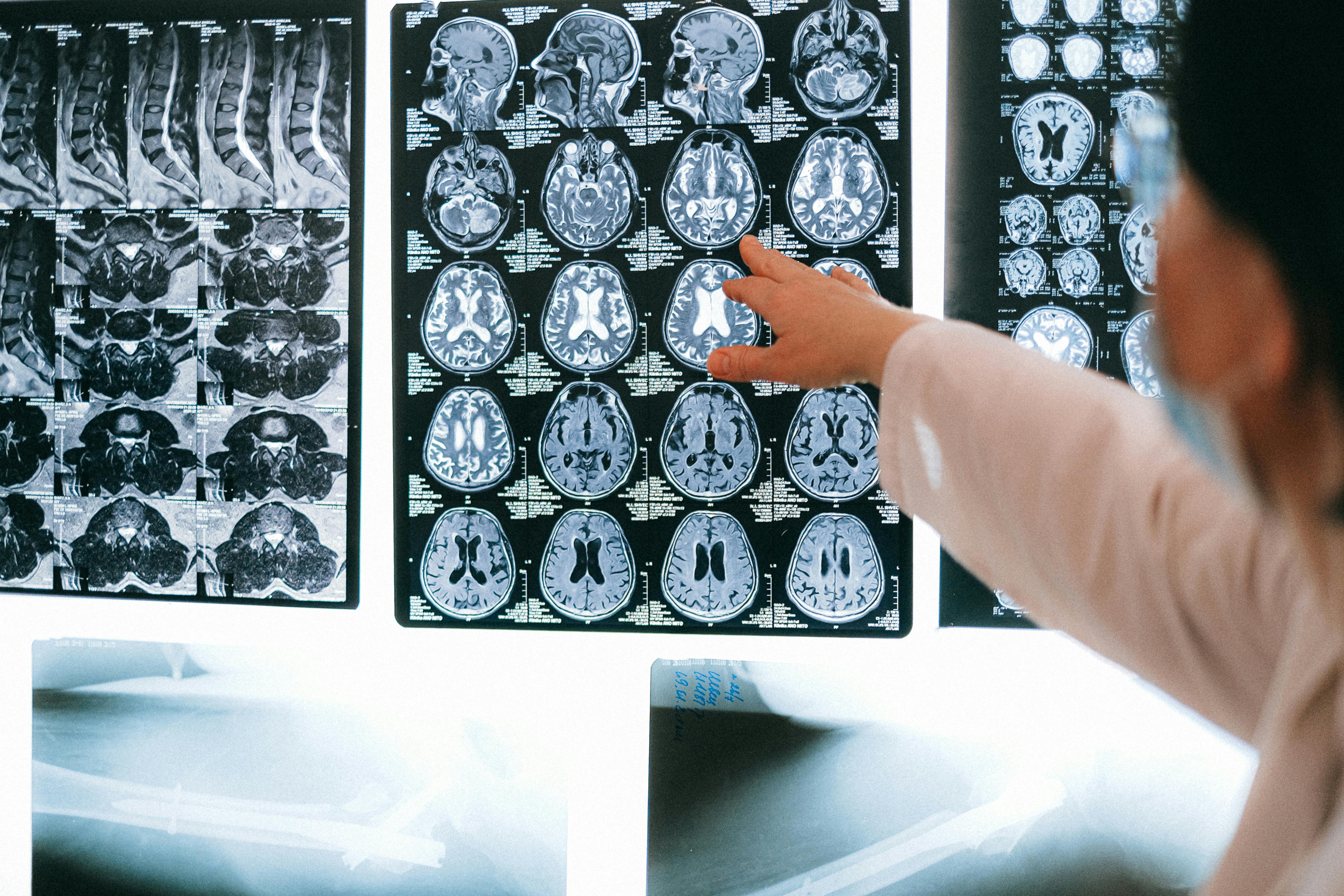
Sleep is often hailed as one of the cornerstones of good health, yet many of us routinely forgo this essential activity in favor of more hours of work or entertainment. What if skipping those precious hours of rest was causing more than just next-day drowsiness? Imagine a scenario where not sleeping enough could lead your brain to start consuming itself.
It sounds like something out of a science fiction story, but recent scientific discoveries suggest that this alarming phenomenon could be a reality for the sleep-deprived. This article delves into the mysterious and somewhat unsettling behavior of our brains under the impact of sleep deprivation. What triggers this self-destructive process, and what can we do to prevent it?
Understanding Sleep Deprivation

Sleep deprivation, a widespread issue affecting millions globally, occurs when an individual does not get enough rest to feel alert and rejuvenated. This deficit not only influences day-to-day functioning but also has profound long-term implications for physical and mental well-being.
A variety of factors can contribute to insufficient sleep. Common culprits include lifestyle choices and environmental conditions. Consuming stimulants such as caffeine or nicotine, particularly close to bedtime, can interfere with the body’s ability to wind down. External factors like excessive noise, bright lights, uncomfortable bedding, or extreme room temperatures also disrupt restful sleep.
Beyond lifestyle and environment, certain health conditions, medications, and obligations—such as shift work or the demands of parenting—can significantly alter sleep patterns. Mental health challenges like anxiety or depression are also closely tied to sleep disruptions, often creating a vicious cycle of poor rest and worsening emotional health.
While a single restless night might seem manageable, the cumulative effects of sleep deprivation can be profound. Beyond personal health, insufficient sleep can impact workplace productivity, strain relationships, and even pose risks to public safety. Addressing sleep deprivation requires not just recognizing its causes but also prioritizing healthy sleep practices as a cornerstone of overall well-being.
Understanding the roots and repercussions of sleep deprivation is the first step toward tackling its effects—on both an individual and societal level.
How Sleep Deprivation Triggers the Brain’s Self-Destructive Behavior

Recent studies have shed light on a disturbing effect of sleep deprivation on the brain, often described as the brain “eating itself.” This phenomenon involves two types of cells known as astrocytes and microglia, which are crucial for maintaining healthy brain function but can become harmful when sleep is lacking.
Astrocytes are responsible for the phagocytosis of synapses, a process typically beneficial for brain maintenance as it helps prune unnecessary synapses and remove cellular debris. However, under the stress of sleep deprivation, their activity increases to a detrimental level. Normally, these cells selectively prune weaker or less necessary synapses, but without sufficient sleep, they begin to break down essential components, including healthy synapses and cells. This was observed in studies where the activity of astrocytes increased significantly in sleep-deprived mice compared to well-rested ones, suggesting an overdrive mode where these cells start to degrade both damaged and undamaged brain parts.
Microglia, the brain’s resident immune cells, also show increased activity during periods of sleep loss. Their role in the brain is akin to that of waste removers, clearing out dead cells and preventing the buildup of unwanted debris. However, prolonged sleep deprivation leads to a state of chronic microglial activation, which has been linked to various neurological disorders, including Alzheimer’s disease. This heightened activity can potentially make the brain more susceptible to other forms of damage and disease due to the persistent state of inflammation and heightened phagocytic activity that does not occur during normal wakefulness.
The interplay between these glial cells and their exacerbated response to lack of sleep suggests that prolonged periods of sleep deprivation could prime the brain for neurodegenerative conditions by accelerating the loss of essential neuronal structures and promoting an inflammatory environment.
The Hidden Costs of a Sleep-Deprived Brain
The phenomenon of the brain “eating itself” due to sleep deprivation can have severe and lasting consequences on brain function and overall health. This self-cannibalization is primarily driven by the increased activity of astrocytes and microglia, which, while typically beneficial by maintaining healthy brain function, become detrimental when overactivated due to lack of sleep.
The most immediate impact of this glial overactivity is on cognitive function. Research indicates that even acute sleep loss can lead to significant impairments in memory, concentration, and the ability to perform complex cognitive tasks. Over time, this can lead to more severe outcomes, including an increased risk of neurodegenerative diseases such as Alzheimer’s. Chronic sleep deprivation is associated with increased neuroinflammation, which can exacerbate the progression of neurodegenerative conditions.
Beyond the brain, the effects of chronic sleep loss and resultant glial overactivity can extend to other aspects of physical health. The stress response triggered by excessive microglial activity and the resulting neuroinflammation can contribute to systemic inflammation. This state is linked to a higher risk of various conditions, including cardiovascular diseases and metabolic disorders like type 2 diabetes.
The long-term activation of microglia and astrocytes in response to sleep deprivation does more than just immediate damage. It potentially primes the brain for further damage from other insults, which might not have been as severe in a well-rested state. This suggests a lowered resilience of the brain to future traumas or diseases, making recovery from other neurological conditions more difficult.
Prevention and Management of Sleep Deprivation

Preventing and managing sleep deprivation involves a combination of lifestyle changes, environmental adjustments, and possibly medical interventions, particularly for those with underlying sleep disorders. Here are some strategies to improve sleep quality and prevent sleep deprivation:
- Establish a Consistent Sleep Routine: Maintain a regular sleep schedule by going to bed and waking up at the same time every day, even on weekends. This helps regulate your body’s internal clock and supports a stable sleep-wake cycle.
- Optimize Your Sleep Environment: Create a bedroom that promotes rest: keep it quiet, cool, and dark. Use blackout curtains, eye masks, or earplugs if needed, and choose comfortable bedding. Ensure proper ventilation for added comfort.
- Minimize Stimulants and Disruptive Habits: Avoid caffeine, nicotine, and large meals close to bedtime. Go for a light snack if necessary, as heavy or late-night eating can disrupt sleep.
- Practice Relaxation Techniques: Engage in calming activities before bed, such as reading, taking a warm bath, or practicing mindfulness techniques like meditation or deep breathing.
- Manage Light Exposure Throughout the Day: Increase exposure to natural light during the day to support your sleep-wake cycle. Reduce exposure to bright or blue light from screens in the evening, and consider using devices with night mode settings.
- Stay Physically Active: Regular exercise promotes better sleep, but avoid intense workouts close to bedtime. Aim to complete physical activities earlier in the day or early evening.
- Consult a Healthcare Professional: If sleep problems persist, seek medical advice. A healthcare provider can assess for conditions like insomnia or sleep apnea and recommend treatments such as cognitive-behavioral therapy or medications.
By implementing these strategies, you can improve your sleep quality, support your overall health, and reduce the risks associated with chronic sleep deprivation. Prioritizing rest is essential for both physical and mental well-being.
Why Sleep Is Non-Negotiable
Sleep is vital for protecting your brain and body. Lack of it impairs memory, focus, and cognitive function, increases the risk of neurodegenerative diseases, and contributes to systemic inflammation. Sleep deprivation even triggers harmful brain activity, such as the overactivation of glial cells, leading to long-term damage.
The good news is that these effects are preventable. Establishing a regular sleep routine, creating a restful environment, and seeking professional help when needed can safeguard your health. Prioritizing sleep is not a luxury—it’s a necessity for your well-being and longevity.
