
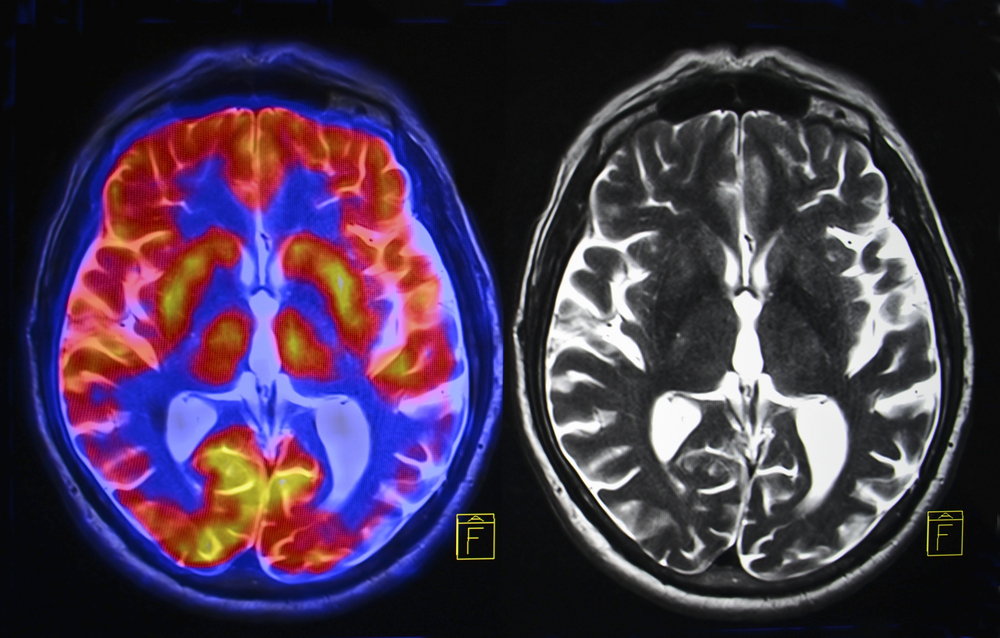
The saying “You are what you eat” holds more truth than we often realize—especially when it comes to brain health. While most people focus on the physical benefits of a nutritious diet, the foods we choose also play a critical role in how our brains age and function. Recent research has uncovered a potential connection between red meat consumption, particularly processed varieties, and an increased risk of cognitive decline and dementia.
Groundbreaking findings published in the journal Neurology reveal that even small amounts of processed red meat could accelerate brain aging. By understanding the impact of diet on cognitive health and exploring alternatives, it’s possible to make choices that support long-term mental sharpness and well-being.
Unpacking the Link Between Red Meat and Brain Health
A study published in the journal Neurology has highlighted a concerning association between processed red meat consumption and cognitive decline. Researchers analyzed data from over 133,000 individuals, with an average age of 49, from the Nurses’ Health Study and Health Professionals Follow-Up Study. These long-term datasets provided detailed dietary and health information, updated every two to four years.
The findings were striking: consuming just a quarter of a serving of processed red meat daily—roughly the equivalent of two slices of bacon or a single hot dog—was linked to a 13% higher risk of developing dementia. Additionally, each extra daily serving was associated with a 1.6-year acceleration in brain aging. While the study is observational and doesn’t establish direct causation, it underscores the importance of dietary habits in long-term brain health.
What Makes Red Meat a Risk Factor?
The potential risks associated with red meat consumption can be traced to its composition. Processed red meats, in particular, are high in harmful additives like nitrites and N-nitroso compounds, which have been linked to negative health outcomes, including cancer. These compounds, along with high sodium content, may exacerbate cognitive decline by contributing to inflammation and metabolic disruptions such as insulin resistance.
Additionally, red meat’s saturated fat content is another cause for concern. When metabolized, red meat produces compounds that have been associated with cardiovascular disease. This, in turn, can harm the nervous system and accelerate cognitive aging. These findings align with earlier studies linking red meat to conditions such as heart disease and certain cancers, further supporting the argument for moderation.

Broader Implications of Red Meat on Health
The impact of red meat consumption extends far beyond brain health, affecting various aspects of overall well-being. Numerous studies have linked high intake of red and processed meats to a range of adverse health outcomes, including cardiometabolic diseases, certain cancers, and even premature death. These findings underscore the need to view dietary habits as part of a broader lifestyle approach to long-term health.
Processed red meats, in particular, pose a significant risk due to their high levels of salt, Heme iron, and chemical preservatives. These additives, while enhancing flavor and shelf life, have been associated with chronic inflammation and metabolic disorders. Over time, these factors may contribute to conditions such as diabetes and heart disease, which are themselves risk factors for cognitive decline.
The connection between red meat and health highlights the importance of moderation. By reducing reliance on processed red meats and prioritizing nutrient-dense alternatives, it’s possible to not only protect brain health but also lower the risk of other chronic conditions.
Exploring the Benefits of Plant-Based Proteins

Reducing red meat consumption doesn’t have to feel restrictive. Replacing it with nutrient-dense, plant-based protein sources can benefit both your brain and overall health. Research shows that swapping processed red meats for options like nuts, legumes, and seeds is associated with a 19% lower risk of dementia. It also translates to a reduction in cognitive aging by an average of 1.37 years. These alternatives not only supply essential nutrients but also eliminate harmful additives found in processed meats.
For example, legumes such as lentils and chickpeas are rich in fiber, vitamins, and minerals that support brain function. Nuts, including walnuts and almonds, contain healthy fats and antioxidants that promote cognitive health. Incorporating these foods into your daily meals is a simple yet impactful way to nourish your brain.
Dietary Changes and Recommendations

Making dietary changes doesn’t have to be overwhelming. By adopting a few practical strategies, you can gradually reduce red meat intake while incorporating healthier options into your meals. Here are some actionable tips to get started:
- Start Small with Processed Meats: If processed red meats are a regular part of your diet, begin by treating them as occasional indulgences rather than staples. For instance, replace your morning bacon with avocado toast or swap hot dogs for a hearty vegetable soup during lunch. Small changes can make a significant difference over time.
- Explore Plant-Based Proteins: Experiment with protein-rich alternatives such as beans, lentils, tofu, and tempeh. These foods are versatile, easy to cook, and packed with nutrients that support brain and body health. Incorporating these ingredients into dishes like stir-fries, salads, and stews can help reduce your reliance on red meat.
- Make Mediterranean-Inspired Meals: Draw inspiration from the Mediterranean diet by prioritizing whole grains, colorful vegetables, nuts, and healthy fats like olive oil. Try recipes such as a quinoa salad with roasted vegetables or grilled fish with a side of hummus and pita bread. These meals are satisfying, nutrient-dense, and gentle on the brain.
- Plan Meatless Days: Introduce meat-free days into your weekly routine. For example, you could dedicate Mondays to plant-based meals or try a vegetarian dinner a few nights a week. These changes not only encourage creativity in the kitchen but also reduce overall red meat consumption.
- Read Labels and Choose Wisely: When shopping for meat, prioritize unprocessed and lean cuts over processed options. Look for labels indicating “low sodium” or “nitrate-free” to minimize exposure to harmful additives. Being mindful of your choices helps balance occasional red meat consumption with a health-conscious lifestyle.
By implementing these strategies, you can create a sustainable approach to reducing red meat while enriching your diet with brain-friendly alternatives.
Nourishing Your Brain Through Smarter Food Choices
As we conclude our exploration of how dietary choices influence cognitive health, it becomes clear that the food we consume goes beyond mere nourishment—it shapes our mental and physical wellbeing. Swapping red meat for plant-based proteins is not merely a dietary trend but a science-backed strategy to potentially reduce the risk of dementia and enhance cognitive longevity. This dietary shift, supported by substantial research, emphasizes that preventative health measures can be as simple and enjoyable as modifying our plates.
By choosing diets rich in plant-based proteins, individuals not only contribute to their cognitive health but also embrace a lifestyle that promotes overall wellness and environmental sustainability. The recommendations provided not only aim to decrease dementia risk but also to enrich quality of life through holistic dietary habits. As we forge ahead, let us consider how our forks—and the choices they represent—can be powerful tools in maintaining a sharp, agile mind well into our later years.
Sources:
- Li, Y., Li, Y., Gu, X., Liu, Y., Dong, D., Kang, J. H., Wang, M., Eliassen, H., Willett, W. C., Stampfer, M. J., & Wang, D. (2025). Long-Term intake of red meat in relation to dementia risk and cognitive function in US adults. Neurology, 104(3). https://doi.org/10.1212/wnl.0000000000210286
- Zhang, H., Greenwood, D. C., Risch, H. A., Bunce, D., Hardie, L. J., & Cade, J. E. (2021). Meat consumption and risk of incident dementia: cohort study of 493,888 UK Biobank participants. American Journal of Clinical Nutrition, 114(1), 175–184. https://doi.org/10.1093/ajcn/nqab028
- Kreijkamp-Kaspers, S., Kok, L., Grobbee, D. E., De Haan, E. H. F., Aleman, A., Lampe, J. W., & Van Der Schouw, Y. T. (2004). Effect of soy protein containing isoflavones on cognitive function, bone mineral density, and plasma lipids in postmenopausal women. JAMA, 292(1). https://doi.org/10.1001/jama.292.1.65
