
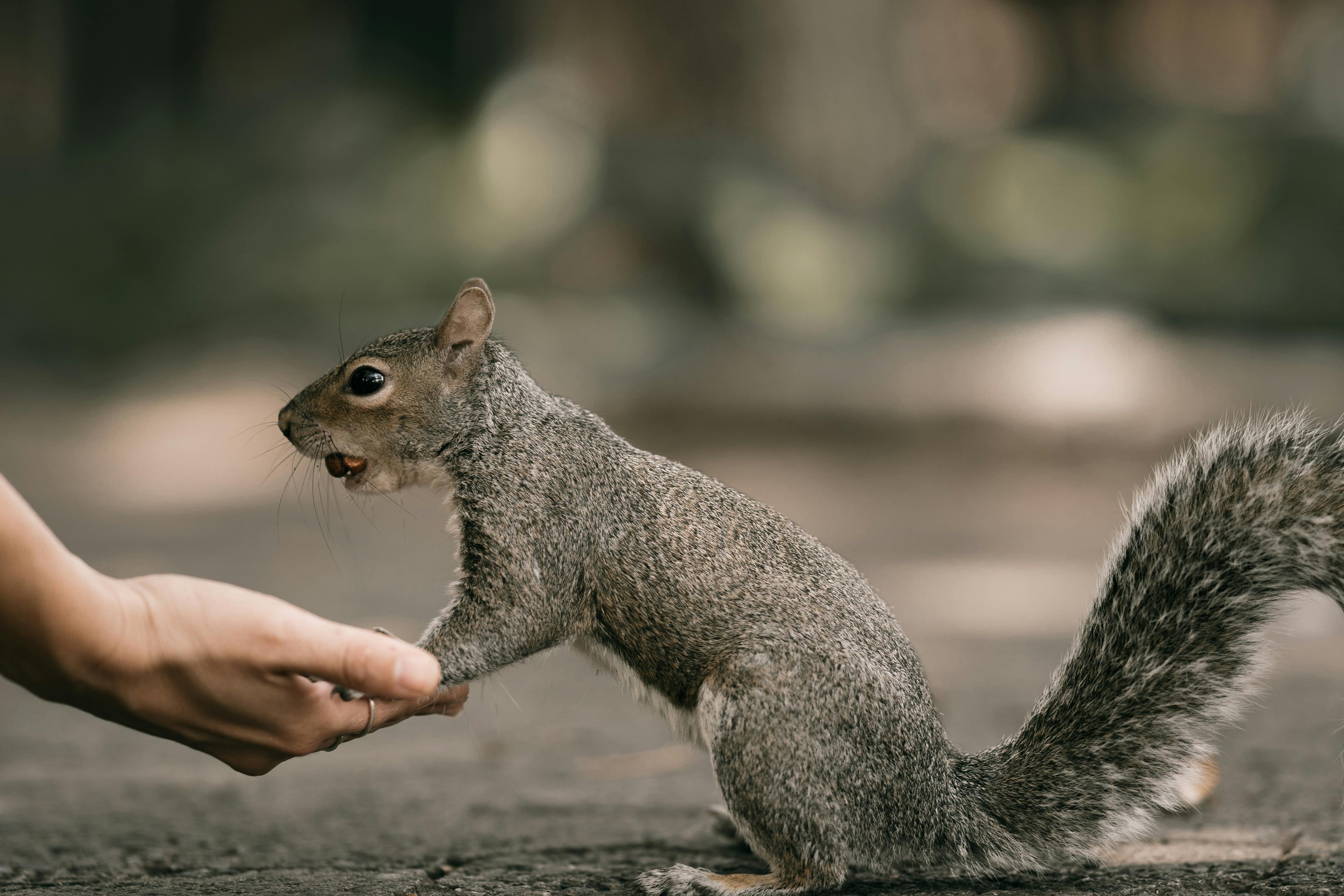
They’re a familiar sight in backyards and city parks darting across lawns, raiding bird feeders, chattering from tree branches. But recently, many people have been jolted by a very different image of the gray squirrel: animals with hairless patches, wart-like growths, and sores that ooze as they stumble around like creatures out of a horror film.
The photos, often shared with captions calling them “zombie squirrels,” have spread quickly online. Reports started trickling in during the summer of 2023, and since then, sightings have been documented across the U.S. and Canada, from Maine to the Midwest. For residents who once saw squirrels as harmless neighborhood regulars, the transformation is unsettling. Are these rodents carrying a dangerous new virus? Could the condition spread to pets or even people?
Wildlife experts say the reality is less apocalyptic but no less fascinating. What looks like a “zombie outbreak” is actually a naturally occurring disease that has circulated among squirrels for years. And while it can leave animals looking grotesque, it also holds important lessons about how viruses spread, how human behavior shapes wildlife health, and why keeping a respectful distance from nature matters more than ever.
From Backyard Curiosity to National Concern
The first sightings of disfigured squirrels weren’t documented in scientific journals but on social media feeds. In the summer of 2023, a resident in Maine uploaded a photo of what they thought was a squirrel with food stuck to its face. On closer inspection, the mass turned out to be a wart-like growth. Similar images soon followed squirrels with swollen tumors on their bodies, scaly patches of missing fur, and in some cases open sores that looked painful to watch.
At first, these were treated as odd curiosities, strange enough to spark comment threads but not necessarily alarming. Over time, however, the sightings became harder to dismiss. Reports began arriving from multiple states, stretching from the Northeast into the Midwest. By 2025, the phenomenon had gone viral online, earning the nickname “zombie squirrels” and fueling speculation about whether this was a sign of a wider outbreak among local wildlife.

The unsettling images struck a chord for a simple reason: squirrels are among the most familiar animals in American neighborhoods. People are used to seeing them as energetic, playful, and even comical as they raid bird feeders. To suddenly encounter them bald, covered in sores, or stumbling awkwardly disrupted that sense of normalcy. Some observers joked about a “rodent apocalypse,” while others voiced serious concerns about potential risks to humans and pets.
The attention wasn’t limited to internet chatter. Local news outlets began covering the story after residents contacted wildlife officials, asking whether they should intervene or remove sick-looking squirrels from their yards. This surge of public interest has since pushed experts to explain what is happening, why it looks so dramatic, and what people can realistically expect when it comes to the health of backyard wildlife.
What’s Really Happening to the Squirrels?
Despite their frightening appearance, the majority of these squirrels are not harboring a new plague. Wildlife experts point to squirrel fibromatosis, a disease caused by a leporipoxvirus that affects gray squirrels in North America. The virus spreads through direct contact when a healthy squirrel encounters saliva or lesions from an infected one, often at crowded feeding sites like backyard bird feeders.
Fibromatosis produces wart-like tumors that can appear anywhere on the body, from the face and limbs to more sensitive areas around the eyes and mouth. These growths sometimes break open and ooze fluid, giving the squirrels their unsettling “zombie” look. While the sores are disturbing, most infected squirrels recover naturally within four to eight weeks without medical intervention. Once the virus runs its course, the growths usually scab over and heal, leaving the animal with no lasting illness.

It’s important to distinguish fibromatosis from squirrel pox, another viral disease that has devastated red squirrel populations in the United Kingdom. Squirrel pox is far more severe and often fatal, while fibromatosis in North American gray squirrels is usually temporary and survivable. Experts also caution that not every growth on a squirrel is viral in some cases, swollen lumps are caused by parasites such as botfly larvae, which burrow under the skin and form boil-like bumps.
Although severe cases of fibromatosis can spread internally and lead to death, such outcomes are uncommon. The disease does not spread to humans, dogs, cats, or birds, and wildlife officials emphasize that the greatest risk lies not in transmission but in unnecessary human interference. “It is naturally occurring and will run its course in time,” explains Shevenell Webb of the Maine Department of Inland Fisheries and Wildlife.
Why Bird Feeders May Be Part of the Problem

Backyard bird feeders are often seen as harmless, even beneficial, ways to support local wildlife. But when it comes to squirrel fibromatosis, they can unintentionally create perfect conditions for the virus to spread.
The issue isn’t the seed itself but the crowding effect. Feeders draw multiple squirrels to the same spot, where they jostle for food and often leave behind saliva or come into direct contact with each other. If one squirrel is infected, traces of the virus can linger on the seed or feeder surface, ready to be picked up by the next visitor. Webb, the wildlife biologist from Maine, compared the situation to crowded human gatherings: “It’s like when you get a large concentration of people. If someone is sick and it’s something that spreads easily, others are going to catch it.”
Seasonal patterns make the problem worse. During warmer months, feeders are refilled more frequently, and squirrels are more active in searching for food. This increases the chances that infected and healthy squirrels will overlap at the same feeding stations. Over time, what might have been a sporadic illness in a few animals can ripple through local populations.
Experts don’t recommend abandoning bird feeding altogether, but they do urge caution. Feeders should be cleaned regularly with a mild bleach solution, and if diseased squirrels are spotted, pausing backyard feeding for a few weeks may help limit transmission. Bird lovers can also consider alternative feeding setups that discourage squirrel congregations, such as squirrel-proof feeders or planting native shrubs that provide natural food sources for birds without creating crowding hotspots.
When Wildlife Looks Like a Horror Movie

The phrase “zombie squirrel” didn’t come from scientists. It was coined online, where graphic photos of squirrels with bald patches and oozing tumors spread quickly across Reddit, X, and local Facebook groups. Many viewers compared the animals to characters from The Last of Us or low-budget horror films, and memes about a “rodent apocalypse” followed soon after.
This kind of language might seem like harmless internet humor, but it shapes how people understand wildlife health. Seeing an everyday backyard animal transformed into something grotesque challenges the familiar image of squirrels as playful and harmless. The shock of that contrast is what makes the story so compelling and so unsettling.
Social media amplifies these reactions by giving a wider audience instant access to striking images. A single photo of a sick squirrel can circulate to thousands within hours, sparking speculation about outbreaks or new threats to humans. While this sometimes fuels unnecessary fear, it also serves another purpose: acting as an informal early-warning system. Wildlife agencies monitor these viral reports, which can help track the spread of diseases across regions where official surveillance is limited.
There’s also a cultural angle. In an era where pandemics, “superbugs,” and climate-driven disease stories are part of the news cycle, the sight of squirrels looking like horror-movie extras taps into broader anxieties. It blurs the line between fiction and reality a reminder of how fragile the boundary can feel when illness alters familiar creatures.
Lessons from Other Infected Wildlife

Squirrels aren’t the only animals that occasionally appear to have stepped out of a horror movie. In northern Colorado, residents recently reported sightings of wild rabbits with twisted, horn-like growths sprouting from their heads. Dubbed “Frankenstein rabbits,” these cases were traced to the Shope papillomavirus, first identified in the 1930s. The virus causes keratin-based growths made of the same material as human nails and hair that can elongate into dark, horn-like shapes.
For most rabbits, the infection is temporary. Their immune system eventually suppresses the virus, the growths dry up, and they fall off. In rare cases, the growths can interfere with eating or vision, and in very few instances, they can turn cancerous. Like squirrel fibromatosis, this disease is species-specific and does not spread to humans or pets.
What makes the rabbit virus remarkable is not just its eerie appearance but its scientific legacy. Research on Shope papillomavirus laid the groundwork for understanding how viruses cause tumors, which directly contributed to the development of the human papillomavirus (HPV) vaccine now one of the most effective tools in cancer prevention. In other words, a disease that once seemed like a bizarre wildlife oddity ended up shaping breakthroughs in modern medicine.
The parallel with “zombie squirrels” is instructive. While fibromatosis is less studied and generally less severe, it offers scientists a window into viral transmission, immunity, and population health. Tracking these outbreaks helps wildlife officials monitor ecosystems and may reveal how environmental factors like warmer summers or denser suburban habitats influence the spread of disease.
Do People or Pets Face Any Risk?

One of the first questions people ask after seeing a sick squirrel is whether the disease can spread to humans or household pets. The short answer is no. Squirrel fibromatosis and squirrel pox are species-specific viruses, meaning they are adapted to infect squirrels alone. They cannot be transmitted to people, dogs, cats, or birds.
That doesn’t mean interaction is risk-free. Experts strongly advise against touching or attempting to help infected squirrels. Wild animals can carry a range of other pathogens, from parasites to bacteria, and a distressed animal is more likely to bite or scratch in self-defense. Trying to capture or handle a visibly sick squirrel adds unnecessary risk both to the animal and the person.
Wildlife officials also discourage well-meaning efforts to euthanize afflicted animals. Although the growths look severe, most gray squirrels recover naturally within several weeks. Intervening can cause more harm than good, disrupting the natural course of the illness and increasing stress for the animal.
For pets, the advice is similar: keep dogs and cats from chasing or cornering wildlife. While the virus itself won’t infect them, injured or stressed squirrels can lash out. Maintaining distance protects both sides and reduces the chance of secondary infections from bites or scratches.
A Reminder for Coexisting with Wildlife
The unsettling images of “zombie squirrels” may leave a lasting impression, but the science behind them is more reassuring than frightening. These growths are not signs of a new plague or a threat to humans and pets. They are the visible symptoms of a naturally occurring virus that most squirrels overcome in a matter of weeks.
What this phenomenon really highlights is how closely human behavior intersects with wildlife health. Something as ordinary as a backyard bird feeder can unintentionally become a hotspot for disease spread. At the same time, social media’s role in amplifying shocking photos shows how quickly local observations can shape national conversations and sometimes even help scientists track conditions across regions.
The broader lesson is one of respect. Wild animals live alongside us in backyards, parks, and suburbs, but they carry their own cycles of illness and recovery. Our responsibility is not to panic or intervene unnecessarily, but to create healthier environments that reduce stress on wildlife. Cleaning feeders, planting native food sources, and giving animals space are small actions that, collectively, make a big difference.
“Zombie squirrels” may grab headlines, but they are also a reminder that nature is complex, resilient, and interconnected with our own well-being. If anything, the sight of a sick squirrel isn’t just a curiosity it’s a call to pay closer attention to the ecosystems thriving right outside our doors.
