
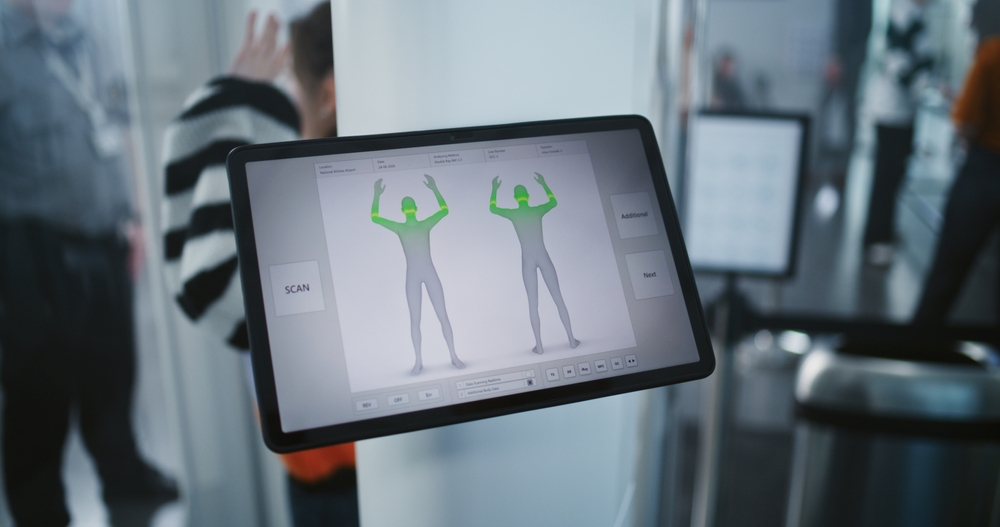
Airport security is meant to protect travelers, yet recent viral stories have shifted attention from safety threats to something far more personal. People across social media platforms have begun sharing unsettling experiences about what Transportation Security Administration body scanners appeared to detect inside their bodies. From unexpected alerts around surgical sites to unexplained markings that led to invasive pat downs, these stories have sparked widespread concern about privacy, health, and the unseen signals our bodies may be giving off.
For many travelers, these encounters were not just uncomfortable but emotionally jarring. Several people described scanners flagging areas where they had medical implants, scar tissue, hormonal devices, or past injuries. Others reported alarms triggered in places they could not immediately explain. The shock did not come from the secondary screening itself but from the realization that internal changes in the body might be visible to a machine designed for security rather than health.
As these accounts gained traction, questions quickly followed. What exactly do TSA scanners see. Are they detecting medical conditions or simply physical variations. Should travelers be concerned about repeated exposure to scanning technology. And perhaps most importantly, what do these experiences mean from a health and wellness perspective.
This article takes a closer look at the science behind airport body scanners, the viral stories fueling anxiety, and how travelers can approach airport security with greater awareness and calm. By understanding how these machines work and how the body responds to them, you can travel with more confidence and less fear.

What TSA Body Scanners Actually Detect
Despite the dramatic stories circulating online, TSA body scanners are not medical imaging devices. They do not diagnose illness, identify organs, or detect disease. Instead, they are designed to identify objects that differ in density or shape from the average human body profile. This distinction is essential for understanding why scanners may flag certain areas.
Modern airports primarily use millimeter wave scanners. These machines emit non ionizing radiofrequency waves that bounce off the body and return signals to the scanner. Software then analyzes these signals and compares them to a generic body model. When something does not match the expected outline, the scanner alerts the officer to conduct a manual check of that area.
Medical implants, prosthetics, scar tissue, and even natural variations in fat distribution can trigger these alerts. Items such as insulin pumps, joint replacements, breast implants, intrauterine devices, and surgical mesh are common reasons scanners flag travelers. Even healed injuries that altered tissue density may appear unusual to the system.
Understanding this process helps separate fear from function. The scanner is not seeing inside the body in the way an X ray or MRI would. It is reacting to differences on or just beneath the surface. From a health standpoint, these alerts often say more about past medical history than present danger.
Viral TSA Scanner Stories and Why They Sparked Fear
The recent wave of viral posts has amplified anxiety around airport scanners. Many stories were shared without technical context, leading readers to believe the machines were uncovering hidden conditions or exposing private health details. The emotional tone of these posts played a significant role in how they were received.
Some travelers described feeling embarrassed or violated after being pulled aside for pat downs in sensitive areas. Others worried that the scanner had revealed something medically wrong with them. A few posts suggested that repeated scanning could be harmful or that the machines were more invasive than authorities admit.
Social media tends to magnify fear when personal experiences are framed as warnings. Without scientific explanation, readers are left to fill in the gaps with speculation. This can create a sense of danger even when the technology itself has been widely studied and regulated.
From a wellness perspective, these reactions are understandable. The body is deeply personal, and unexpected scrutiny can trigger stress responses. Recognizing the emotional impact of these experiences is just as important as addressing the technical facts behind them.

Are TSA Scanners Safe for Your Body
Safety is one of the most common concerns raised in discussions about airport scanners. According to scientific and regulatory reviews, millimeter wave scanners do not use ionizing radiation. This means they do not damage DNA in the way X rays or CT scans can. The energy levels used are extremely low and comparable to those emitted by everyday devices like cell phones.
Scientific assessments have consistently found no evidence that these scanners cause harm when used as intended. The exposure is brief and localized, and there is no accumulation effect from frequent travel. For most people, passing through a scanner poses no known physical risk.
However, safety is not only about radiation. Emotional stress, anxiety, and feelings of loss of control also affect health. Travelers who feel singled out or confused by scanner alerts may experience elevated stress hormones, increased heart rate, and lingering discomfort. Over time, repeated stress responses can influence overall wellbeing.
A holistic view of safety considers both physical exposure and emotional experience. While the technology itself is considered safe, travelers benefit from understanding their options, such as requesting alternative screening methods if they feel uncomfortable.
Why Medical Conditions Trigger Scanner Alerts
Many of the viral stories involve people with known medical histories. This is not a coincidence. Body scanners are programmed with standardized body models that do not account for individual variation. When your body does not fit the template, the system responds with an alert.
Scar tissue, for example, has a different density than surrounding skin. Surgical sites may heal unevenly, creating subtle changes that scanners detect. Implants and devices introduce materials that reflect waves differently than human tissue. Even natural asymmetry can be enough to draw attention.
Hormonal changes, inflammation, and fluid retention can also affect how the body appears to scanning technology. Some travelers have reported alerts during certain phases of their menstrual cycle or after recent injuries. These experiences highlight how dynamic the human body truly is.
Rather than indicating a problem, these alerts often reflect the body’s history and adaptability. From a wellness standpoint, they can serve as reminders of how interconnected physical experiences are with technology designed for uniformity rather than individuality.

The Mental and Emotional Impact of Scanner Experiences
While much of the conversation focuses on physical safety, the emotional side deserves equal attention. Being stopped, questioned, or touched during a pat down can feel invasive, especially when the reason is unclear. For survivors of trauma or those with anxiety disorders, these moments can be particularly distressing.
Anticipatory stress also plays a role. Travelers who have experienced alerts in the past may approach future trips with heightened anxiety. This can affect sleep, digestion, and immune function in the days leading up to travel. The body often reacts to perceived threats even when no real danger exists.
Mind body health research shows that repeated stress without resolution can influence inflammation and hormonal balance. Addressing the emotional component of travel security is therefore a wellness issue, not just a comfort concern.
Practical strategies such as arriving early, practicing calming breathing techniques, and reminding yourself of the scanner’s limitations can help regulate stress responses. Feeling informed often restores a sense of control.

How to Travel Through Airports With Greater Wellness Awareness
Travel does not have to be a source of fear or tension. With the right mindset and preparation, you can move through security while supporting your health. Knowledge is the first step. Understanding what scanners do and do not detect reduces uncertainty.
Communication also matters. Travelers are allowed to inform TSA officers about medical devices or conditions before screening. This transparency can sometimes streamline the process and reduce surprise alerts. You also have the right to request private screening if needed.
From a lifestyle perspective, supporting your nervous system before travel makes a difference. Adequate hydration, balanced meals, and proper sleep help the body handle stress more effectively. Gentle movement and stretching before flights can also support circulation and comfort.
Viewing airport security as a neutral process rather than a personal judgment can shift your emotional response. When you approach travel with self awareness and self compassion, the experience becomes more manageable.

A Grounded Takeaway for Concerned Travelers
The viral TSA scanner stories have captured attention because they touch on vulnerability, privacy, and health. While the experiences shared are real and often uncomfortable, the conclusions drawn from them are not always accurate. These scanners are not exposing hidden illnesses or harming the body in known ways.
What they do reveal is how diverse human bodies are and how systems built on averages struggle with individuality. From a wellness lens, the real lesson lies in awareness rather than alarm. Understanding your body, advocating for your comfort, and managing stress are far more impactful than fearing the technology.
Travel will always involve moments of uncertainty. How you prepare and respond determines whether those moments become sources of anxiety or opportunities for growth. Staying informed allows you to move through the world with confidence rather than fear.
By reframing these stories through a health focused perspective, you can take what is useful and leave behind what fuels unnecessary worry.
