
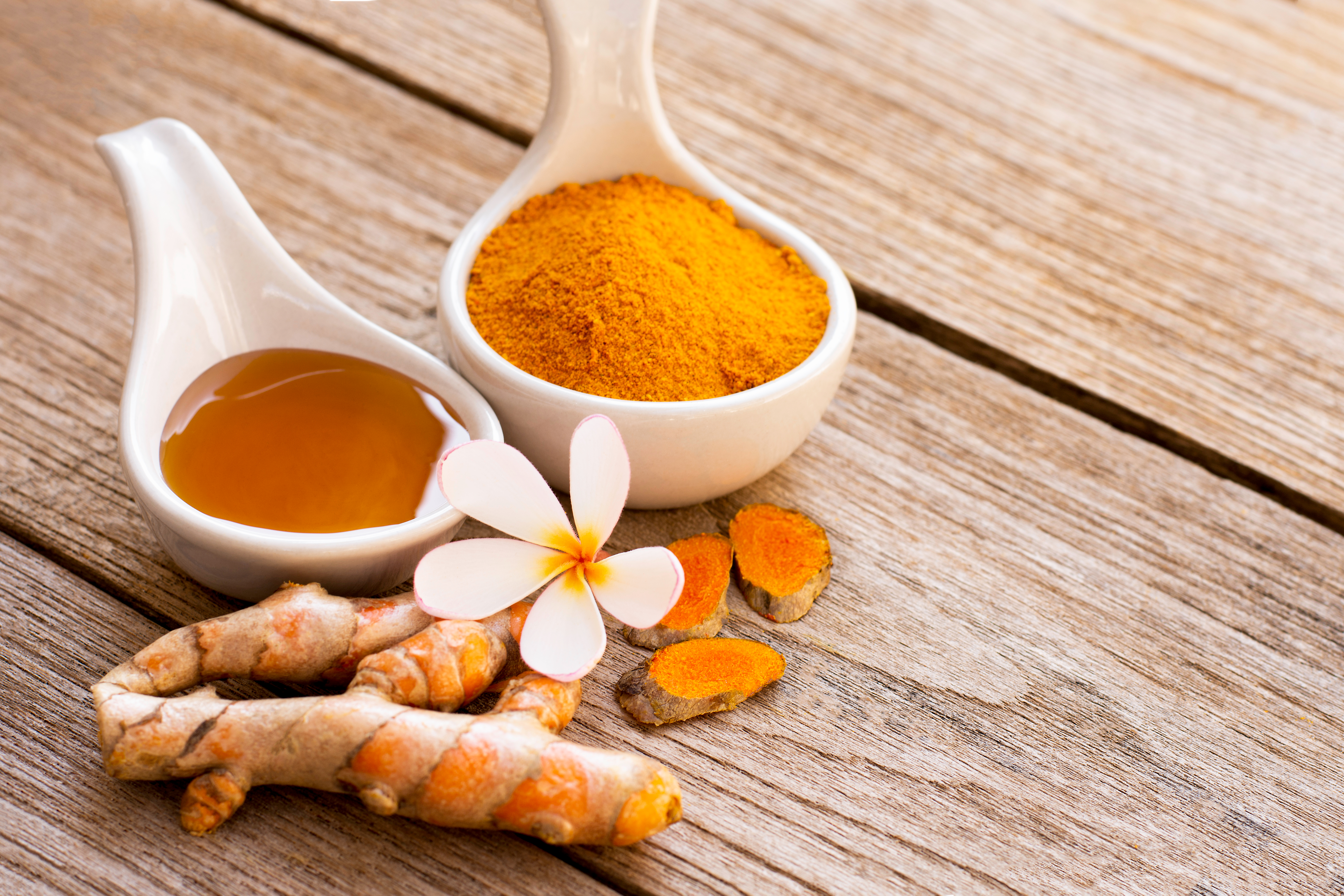
From its vibrant yellow hue to its ancient roots in Eastern medicine, turmeric is more than just a spice; it’s a powerhouse of potential health benefits. For centuries, this golden root has been cherished for its medicinal properties, with its active compound, curcumin, celebrated for supporting health in remarkable ways. Lately, turmeric has surged in popularity, finding its way into smoothies, teas, and supplements as people seek natural solutions for wellness.
But what makes turmeric so special, and why is it gaining the attention of researchers, health enthusiasts, and even the pharmaceutical industry? From supporting brain health to easing joint pain, turmeric’s effects go far beyond its culinary appeal. Yet, as with any health trend, there are things to consider when integrating it into your daily life. This article dives into the science, benefits, and best practices surrounding turmeric, uncovering its full potential and the smart ways to make it part of your wellness routine.
Curious to discover what turmeric can do for your health?
What Is Turmeric and Why Is It So Powerful?
Turmeric, known scientifically as Curcuma longa, is a vibrant yellow-orange spice derived from the rhizomes of a flowering plant in the ginger family. Traditionally used in Indian and Southeast Asian cuisines, it imparts a warm, earthy flavor and distinctive color to dishes. Beyond its culinary applications, turmeric has been revered for centuries in Ayurvedic and traditional Chinese medicine for its medicinal properties.
The primary bioactive compound in turmeric is curcumin, which constitutes about 3% of its weight. Curcumin is renowned for its potent anti-inflammatory and antioxidant effects. These properties have sparked extensive research into turmeric’s potential health benefits. For instance, a comprehensive review of over 700 studies by ethnobotanist James A. Duke, Ph.D., revealed that turmeric outperforms many pharmaceuticals in its effects against several chronic, debilitating diseases, with minimal adverse side effects.
One notable study highlighted curcumin’s ability to inhibit the formation of beta-amyloid plaques, which are associated with Alzheimer’s disease. This suggests that turmeric may play a role in supporting cognitive health. Additionally, curcumin has been found to act as a COX-2 inhibitor, selectively blocking the enzyme responsible for pain, swelling, and inflammation, thereby offering relief in conditions like arthritis.
Turmeric’s potential extends to cancer prevention and treatment. Duke’s research identified over 200 citations for turmeric and cancer, noting its effectiveness in animal models for preventing and treating various cancers, including colon, mammary, and prostate cancers. Furthermore, curcumin has been shown to inhibit angiogenesis—the growth of new blood vessels necessary for fat tissue expansion—indicating its potential in weight management.
In the context of neurodegenerative diseases, a study led by Michigan State University researchers demonstrated that curcumin can prevent the aggregation of alpha-synuclein proteins, a process implicated in Parkinson’s disease. As co-author Lisa Lapidus stated, “Our research shows that curcumin can rescue proteins from aggregation, the first steps of many debilitating diseases.”

Turmeric as an Alternative to Conventional Drugs
Research suggests that turmeric, particularly its active compound curcumin, has potential therapeutic benefits that may compare favorably to various conventional medications. Here’s a breakdown of the drugs and the corresponding studies:
- Lipitor/Atorvastatin – Manages inflammation and oxidative stress in type 2 diabetes.
- Corticosteroids – Treats chronic anterior uveitis.
- Prozac/Fluoxetine – Acts as an antidepressant.
- Imipramine – Reduces depressive behavior in animal studies.
- Aspirin – Provides anti-platelet effects.
- Anti-Inflammatory Drugs – Exhibits significant anti-inflammatory actions.
- Oxaliplatin – Offers anti-proliferative effects.
- Metformin – Affects AMPK activation and gluconeogenesis suppression.
- Clopidogrel – Improves endothelial function.
- Prednisone – Effective for certain autoimmune conditions.
- Ibuprofen – Offers anti-inflammatory and analgesic effects.
- Sulfasalazine – Manages chronic and intestinal inflammation.
- Diclofenac – Controls pain and inflammation without gastrointestinal side effects.
- Tamoxifen – Inhibits breast carcinoma cell proliferation.
Health Benefits of Turmeric Across Different Conditions
Turmeric’s health benefits span a variety of conditions, largely due to its active compound, curcumin. Extensive research has highlighted its potential therapeutic effects:
Alzheimer’s Disease: Curcumin has been studied for its role in neurodegenerative diseases. Research indicates that it can inhibit the formation of beta-amyloid plaques, which are characteristic of Alzheimer’s disease. This suggests that turmeric may support cognitive health and potentially reduce the risk of Alzheimer’s.
Arthritis: Turmeric contains over two dozen anti-inflammatory compounds, including six COX-2 inhibitors. The COX-2 enzyme promotes pain and inflammation; thus, its inhibition can alleviate symptoms. Studies have shown that curcumin, turmeric’s primary component, acts as a multifaceted anti-inflammatory agent, leading to positive changes in arthritic symptoms.
Cancer: Extensive research has explored turmeric’s potential in cancer prevention and treatment. Curcumin has demonstrated effectiveness in animal models for preventing and treating various cancers, including colon, mammary, and prostate cancers. Its anti-inflammatory and antioxidant properties contribute to its anticancer effects.
Weight Management: Curcumin may aid in weight management by inhibiting angiogenesis—the growth of new blood vessels necessary for fat tissue expansion. This inhibition can stall the spread of fat tissue, contributing to weight control.
Parkinson’s Disease: Research led by Michigan State University demonstrated that curcumin can prevent the aggregation of alpha-synuclein proteins, a process implicated in Parkinson’s disease. By binding to these proteins, curcumin prevents clumping, which is the first step in the development of such neurodegenerative diseases.
The Potential Risks and Side Effects of Turmeric
While turmeric is celebrated for its health benefits, it’s essential to be aware of potential risks and side effects, especially when consumed in large doses or as supplements.
Digestive Issues: High doses of turmeric can lead to gastrointestinal problems such as upset stomach, acid reflux, diarrhea, dizziness, and headaches. These side effects are more common when turmeric is taken in supplement form rather than as a spice in food.
Kidney Stones: Turmeric contains oxalates, which can increase the risk of kidney stone formation in susceptible individuals. Consuming large amounts of turmeric supplements may significantly raise urinary oxalate levels, leading to kidney stones.
Blood Thinning: Turmeric has natural anticoagulant properties, which can enhance the effects of blood-thinning medications like warfarin or aspirin. This interaction may increase the risk of bleeding and bruising. Therefore, individuals on anticoagulant therapy should consult their healthcare provider before adding turmeric supplements to their regimen.
Gallbladder Issues: People with gallstones or bile duct obstruction should avoid turmeric supplements, as they can exacerbate these conditions. Turmeric stimulates bile production, which may worsen gallbladder problems.
Iron Absorption: Turmeric may interfere with iron absorption, potentially leading to iron deficiency in susceptible individuals. Those with existing iron deficiency or anemia should exercise caution and consult a healthcare professional before consuming turmeric supplements.
Pregnancy and Breastfeeding: While turmeric is generally safe as a spice in food, pregnant and breastfeeding women should avoid turmeric supplements. High doses may stimulate uterine contractions or affect hormone levels, posing risks during pregnancy.
Medication Interactions: Turmeric can interact with various medications, including:
- Anticoagulants: Enhancing the risk of bleeding.
- Antidiabetic Drugs: Potentially causing dangerously low blood sugar levels.
- Antacids: Increasing stomach acid levels, which may interfere with medications like cimetidine, famotidine, and omeprazole.
Given these potential interactions, it’s crucial to consult a healthcare provider before incorporating turmeric supplements, especially if you’re on medication or have underlying health conditions. Moderation is key, and using turmeric as a spice in cooking is generally considered safe for most individuals.

Safe Usage Guidelines and Dosages for Turmeric
To harness the health benefits of turmeric while minimizing potential risks, it’s essential to adhere to recommended dosages and usage guidelines.
General Dosage Recommendations:
- Culinary Use: Incorporating turmeric as a spice in food is generally safe. The World Health Organization (WHO) considers 1.4 mg of curcumin per pound (0–3 mg/kg) of body weight as an acceptable daily intake.
- Supplemental Use: Studies have utilized doses ranging from 500 to 2,000 mg of turmeric per day, often in extract form with higher curcumin concentrations than found in food. However, high doses are not recommended long-term due to limited research on safety.
Enhancing Absorption:
Curcumin, turmeric’s active component, has low bioavailability. To improve absorption:
- Combine with Black Pepper: Piperine, found in black pepper, can enhance curcumin absorption by up to 2,000%.
- Consume with Fats: Curcumin is fat-soluble; consuming it with healthy fats like oils or avocados can aid absorption.
Special Considerations:
- Pregnancy and Breastfeeding: Turmeric is likely safe during pregnancy when used in the small amounts found in foods. However, medicinal amounts are considered likely unsafe as they may promote a menstrual period or stimulate the uterus, risking pregnancy.
- Medical Conditions: Individuals with gallbladder disease, bleeding disorders, diabetes, or iron deficiency should consult healthcare providers before using turmeric supplements. Turmeric can exacerbate these conditions or interact with medications.
Potential Side Effects:
While turmeric is generally safe, excessive intake can lead to:
- Gastrointestinal Issues: Nausea, diarrhea, and stomach pain.
- Increased Bleeding Risk: Due to its blood-thinning properties, especially when combined with anticoagulant medications.
15 Ways to Add Turmeric to Your Diet

Incorporating turmeric into your daily diet can be both flavorful and beneficial. Here are 15 creative ways to add this vibrant spice to your meals:
- Curry Sauce: Turmeric is a staple in curry powders, imparting a warm, earthy flavor and golden hue to dishes. It’s commonly used to flavor or color curry powders, mustards, and other foods.
- Soups: Enhance your soups by adding turmeric to the base. Its anti-inflammatory properties can boost the health benefits of your meal.
- Stews: Incorporate turmeric into stews for added depth and color. It pairs well with various proteins and vegetables.
- Smoothies: Blend a pinch of turmeric into your morning smoothie for an antioxidant boost. It complements fruits like pineapple and mango.
- Oatmeal: Add a dash of turmeric to your oatmeal along with honey and nuts for a unique twist. This combination offers a flavorful and healthful start to your day.
- Golden Milk: Prepare a soothing drink by mixing turmeric with warm milk and honey. This traditional beverage is known for its anti-inflammatory benefits.
- Tea: Steep fresh or powdered turmeric in hot water to make a comforting tea. Adding ginger and lemon can enhance the flavor and health benefits.
- Marinades: Use turmeric in marinades for meats and tofu. Its earthy flavor enhances the taste and adds a vibrant color to your dishes.
- Spice Rubs: Combine turmeric with other spices to create a flavorful rub for grilling or roasting. This method infuses your proteins with a rich taste and appealing color.
- Chutneys: Incorporate turmeric into homemade chutneys for an exotic flavor. It pairs well with fruits like mango and adds a healthful component to your condiments.
- Scrambled Eggs: Sprinkle turmeric into scrambled eggs for a colorful and nutritious breakfast. It adds a subtle flavor and boosts the antioxidant content.
- Muffins: Add turmeric to muffin batter along with spices like cinnamon and ginger. This combination creates a warm, spiced flavor profile.
- Grains: Cook rice or quinoa with a pinch of turmeric to impart a golden color and earthy taste. This simple addition can elevate your side dishes.
- Roasted Vegetables: Toss vegetables like cauliflower or sweet potatoes with turmeric before roasting. This not only enhances flavor but also adds nutritional benefits.
- Lentils: Incorporate turmeric into lentil dishes for added flavor and health benefits. It’s a common practice in Indian cuisine to enhance both taste and nutrition.
Comparing Turmeric to Traditional Medicines and Supplements
Turmeric, particularly its active component curcumin, has garnered significant attention for its potential health benefits, often being compared to traditional medicines and supplements. Ethnobotanist James A. Duke, Ph.D., conducted a comprehensive review of over 700 studies on turmeric, revealing that it “appears to outperform many pharmaceuticals in its effects against several chronic, debilitating diseases, and does so with virtually no adverse side effects.”
In the realm of anti-inflammatory agents, curcumin has been identified as a multifaceted compound. It contains more than two dozen anti-inflammatory compounds, including six different COX-2 inhibitors, which selectively block the COX-2 enzyme responsible for pain and inflammation. This positions turmeric as a natural alternative to non-steroidal anti-inflammatory drugs (NSAIDs), which can have adverse side effects.
Regarding neurodegenerative diseases, studies have indicated that extracts of turmeric contain natural agents that block the formation of beta-amyloid plaques, substances responsible for obstructing cerebral function in Alzheimer’s disease. This suggests that turmeric may offer protective benefits comparable to certain pharmaceuticals used in Alzheimer’s treatment.
In oncology, Duke’s research found over 200 citations for turmeric and cancer, noting that curcumin and/or turmeric were effective in animal models for the prevention and/or treatment of various cancers, including colon, mammary, prostate, liver, esophageal, and oral cancers. The effectiveness of the herb against these cancers compared favorably with that reported for pharmaceuticals.
Golden Spice, Golden Benefits
Turmeric has captivated attention as both a culinary spice and a potential health powerhouse. With curcumin as its active compound, turmeric has shown remarkable promise in supporting cognitive health, managing inflammation, and potentially aiding in cancer prevention. While the science behind turmeric’s effects is still unfolding, its low risk of side effects when consumed in moderation makes it a compelling addition to daily wellness practices. However, as with any supplement, consulting with a healthcare provider is essential, especially for those on medication or with specific health conditions.
Incorporating turmeric thoughtfully—whether in the kitchen or through supplements—can offer a flavorful and healthful boost. As research advances, we may uncover even more about this ancient root’s capabilities, making it an intriguing and versatile addition to modern health strategies. Turmeric might just be nature’s golden healer, bringing vibrant color and potential wellness benefits to our lives.
Sources:
- Traditional uses, therapeutic effects and recent advances of curcumin: a mini-review. Mini Rev Med Chem. (2020) 20: https://pubmed.ncbi.nlm.nih.gov/32286941/
- Curcumin for depression: a meta-analysis. Crit Rev Food Sci Nutr. (2019) 60: https://www.tandfonline.com/doi/full/10.1080/10408398.2019.1653260
- Antifungal activity of turmeric oil extracted from Curcuma longa (Zingiberaceae). J Ethnopharmacol. 1995;49:163–9 : https://pubmed.ncbi.nlm.nih.gov/8824742/
