
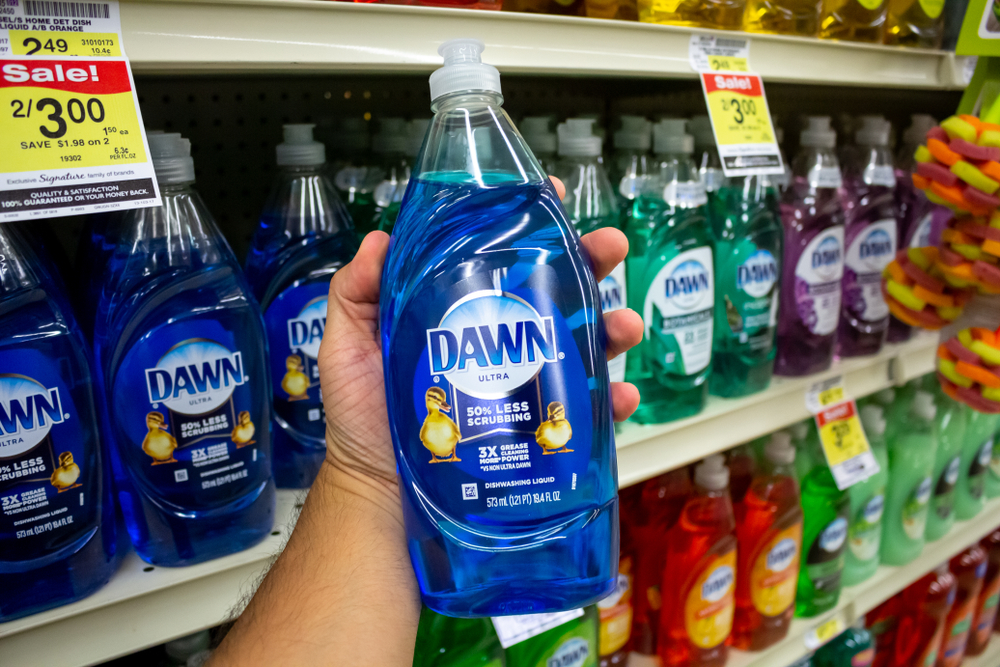
For decades, millions of households have trusted Dawn Dish Soap as their go-to cleaning agent, relying on its grease-cutting power to tackle the messiest of dishes. However, beneath its sparkling blue surface lies a world of hidden dangers that many are unaware of. The ingredients that give Dawn its cleaning prowess may also harbor toxic properties, raising questions about what exactly is washing off our plates and down the drain.
As consumers become increasingly aware of the potential health and environmental ramifications of everyday products, the safety of this household staple is coming under scrutiny. What do the ingredients really mean for our health? And how do they affect the world around us? These pressing questions beckon exploration, unveiling a narrative that intertwines convenience with caution, urging us to reconsider what we choose to bring into our homes.
What Is Dawn Dish Soap?

Dawn dish soap, manufactured by Procter & Gamble, has gained immense popularity as a go-to cleaning agent in households around the globe. This degreasing liquid is renowned for its effectiveness in tackling tough grease and baked-on food, making it a staple in kitchens. Available in various colors and scents, Dawn offers different formulations tailored for specific cleaning tasks, such as stain removal and even pet grooming.
However, while many people rely on Dawn for its cleaning power, there is a growing concern regarding the health and environmental implications associated with its use.
Toxic Ingredients in Dawn Dish Soap
A closer look at the ingredient list reveals several toxic components that have raised alarms among health advocates and environmental organizations, particularly the Environmental Working Group (EWG). Here are some of the most concerning ingredients:
- Methylisothiazolinone: This ingredient poses a high risk for acute aquatic toxicity. It may also cause skin irritation, allergies, and damage, particularly for those with sensitive skin.
- C9-11 Pareth-8: Associated with some concern for acute aquatic toxicity and skin allergic reactions, this ingredient is another red flag in the formula.
- Sodium Lauryl Sulfate (SLS): Known for its cleaning prowess, SLS carries significant concerns related to chronic aquatic toxicity, potential vision damage, and general organ harm.
- Fragrance: This term is often used as a catch-all for a myriad of undisclosed harmful chemicals. Companies are not required to specify what these fragrances contain, which can mask various toxic substances.
In addition to these, Dawn may contain other hazardous substances like phosphates, triclosan (found in some products), sodium laureth sulfate (SLES), and more, contributing to its overall toxicity.
Is Dawn Dish Soap Biodegradable and Safe for the Environment?
While many users appreciate Dawn Dish Soap for its effectiveness in cutting through grease, it’s crucial to examine its environmental impact. A common question is whether Dawn is biodegradable. The answer is somewhat complex. Dawn does contain biodegradable surfactants, meaning that about 90% of its ingredients can break down naturally over time.
However, the remaining 10% includes synthetic materials like methylisothiazolinone and 1,4-dioxane, which do not decompose easily and pose environmental risks.
In addition to its ingredients, the packaging of Dawn dish soap also raises concerns. Although some bottles are made from recycled plastic, the majority of its packaging is not biodegradable. This means that while the soap itself has some biodegradable components, the overall environmental footprint of the product remains significant due to its packaging and the presence of non-biodegradable substances.
Another critical aspect is the impact of Dawn on aquatic ecosystems. The EWG rates Dawn Dish Soap with a ‘D,’ indicating a high concern for potential hazards to both health and the environment. Ingredients such as methylisothiazolinone are known for their acute aquatic toxicity, which can harm fish and other marine life when the soap enters waterways.
Moreover, the petroleum-based ingredients in Dawn raise additional concerns about pollution, particularly since these compounds contribute to the overall demand for oil.
Dawn Dish Soap contains some biodegradable ingredients and is widely used for its cleaning capabilities, it is not entirely eco-friendly. The presence of harmful synthetic ingredients, combined with plastic packaging, highlights the need for consumers to consider alternative cleaning products that prioritize both health and environmental sustainability.
Dawn Dish Soap and Wildlife
Dawn dish soap has long been marketed as a product that not only cleans dishes effectively but also plays a crucial role in wildlife rescue, particularly in the aftermath of oil spills. For over 40 years, Dawn has partnered with organizations like the International Bird Rescue and The Marine Mammal Center to rehabilitate animals affected by oil pollution. This partnership has seen Dawn donate thousands of bottles of its soap to rescue workers, contributing to the care of over 75,000 animals.
Dawn’s effectiveness in cleaning oil from wildlife, such as birds and marine mammals, stems from its unique formula that allows it to remove grease without harming the animals’ delicate feathers and skin. This capability has made it a go-to choice for wildlife rescue operations, particularly during large-scale oil spills like the BP oil spill in 2010.
However, the relationship between Dawn dish soap and wildlife conservation is not without complications. Despite its contributions to rescue efforts, the soap contains several toxic ingredients, including methylisothiazolinone and sodium lauryl sulfate, which can have detrimental effects on aquatic life when the soap enters the water supply.
The irony is that while Dawn helps clean oil from affected animals, its own components can harm their habitats, leading to a paradox in its environmental impact. Dawn has made commitments to improving its environmental practices, aiming to reduce water usage in households by 25% by 2030 through product innovations.
Nevertheless, many consumers remain concerned about the overall environmental footprint of the soap, as the harmful effects of its ingredients on ecosystems may overshadow its contributions to wildlife rescue.
Dawn Dish Soap and Septic Systems
For households using septic systems, choosing the right cleaning products is crucial to maintaining the system’s health. Dawn dish soap presents a mixed bag in this regard. While some users consider it safe for septic systems, caution is advised.
Dawn dish soap does not contain phosphates, which are harmful to the bacteria essential for breaking down waste in septic tanks. Additionally, many of its surfactants are biodegradable, which means they break down over time and have less potential to accumulate and disrupt septic processes. However, certain formulations of Dawn, particularly those containing antibacterial agents, can adversely affect the beneficial bacteria in septic systems. These antibacterial components are designed to kill bacteria, which can be counterproductive in a system that relies on these microorganisms for waste breakdown.
It’s important for users to carefully read product labels. While some Dawn products are deemed safe for septic use, others may not be, especially if they contain harsh chemicals or excessive surfactants. Even the non-antibacterial versions, when used excessively, could potentially impact the bacterial balance necessary for the septic system’s proper function.
To ensure the health of a septic system, it’s advisable to consider eco-friendly and biodegradable alternatives, such as Castile soap or products specifically labeled as septic-safe. Brands like Seventh Generation and Ecover are known for their gentle, plant-based formulas that are safe for both health and the environment.
Non-Toxic Alternatives to Dawn Dish Soap
As awareness of the potential health and environmental impacts of traditional dish soaps like Dawn grows, many consumers are seeking safer, eco-friendly alternatives. Fortunately, there are numerous options available that not only clean effectively but also prioritize sustainability.
Eco-Friendly Brands
- Ecover: This brand offers a range of plant-based dish soaps that are biodegradable and come in recycled packaging. Their formulas are effective at cutting through grease while being gentle on the environment.
- Seventh Generation: Known for its commitment to sustainability, Seventh Generation produces dish soaps that are free from synthetic fragrances and dyes. Their products are often made with plant-based ingredients, making them a healthier choice for both your family and the planet.
- Mrs. Meyer’s Clean Day: This brand provides dish soaps that are formulated with essential oils and natural ingredients, delivering a pleasant scent without harmful chemicals. Their products are effective and come in recyclable packaging.
- Dr. Bronner’s: Their 18-in-1 Pure-Castile Liquid Soap can be used for multiple cleaning tasks, including dishwashing. It’s made from organic and fair-trade ingredients, ensuring minimal environmental impact.
- Mama Suds: A unique solid bar soap made from saponified olive oil, this option cuts through grease without the plastic waste associated with liquid soaps. It’s also biodegradable and septic-safe.
Homemade Options
For those looking to take sustainability a step further, making your own dish soap is an excellent option. Simple recipes often involve mixing liquid castile soap with water, baking soda, and a few drops of essential oils. This allows you to control the ingredients and eliminate harmful chemicals entirely.
Refillable and Zero Waste Solutions
Consider brands that offer refillable or zero-waste options. These products typically come in bulk containers or compostable packaging, reducing single-use plastic waste significantly. For example, some brands provide refill stations, enabling you to replenish your soap supply without needing to buy a new bottle each time.
Benefits of Choosing Non-Toxic Alternatives
Switching to non-toxic dish soaps can prevent harmful chemical ingestion, reduce skin irritation, and avoid respiratory issues linked to synthetic fragrances and volatile organic compounds. Additionally, many eco-friendly soaps are designed to break down naturally, minimizing their impact on aquatic ecosystems.
A Cleaner Choice for You and the Planet
In light of the various health and environmental concerns surrounding traditional dish soaps like Dawn, it’s essential for consumers to make informed choices that align with their values of wellness and sustainability. While Dawn has played a significant role in wildlife rescue efforts, its toxic ingredients and environmental impacts cannot be overlooked. By recognizing the potential dangers and exploring eco-friendly alternatives, individuals can contribute to a cleaner planet while ensuring their homes remain safe and healthy.
Switching to non-toxic dish soaps not only protects personal health but also promotes a more sustainable lifestyle. Brands like Ecover, Seventh Generation, and Dr. Bronner’s offer effective cleaning solutions without harmful chemicals, and homemade options provide a customizable, environmentally friendly choice. By adopting these alternatives, consumers can enjoy peace of mind knowing they are taking meaningful steps toward reducing their environmental footprint and supporting a healthier future for all.
