
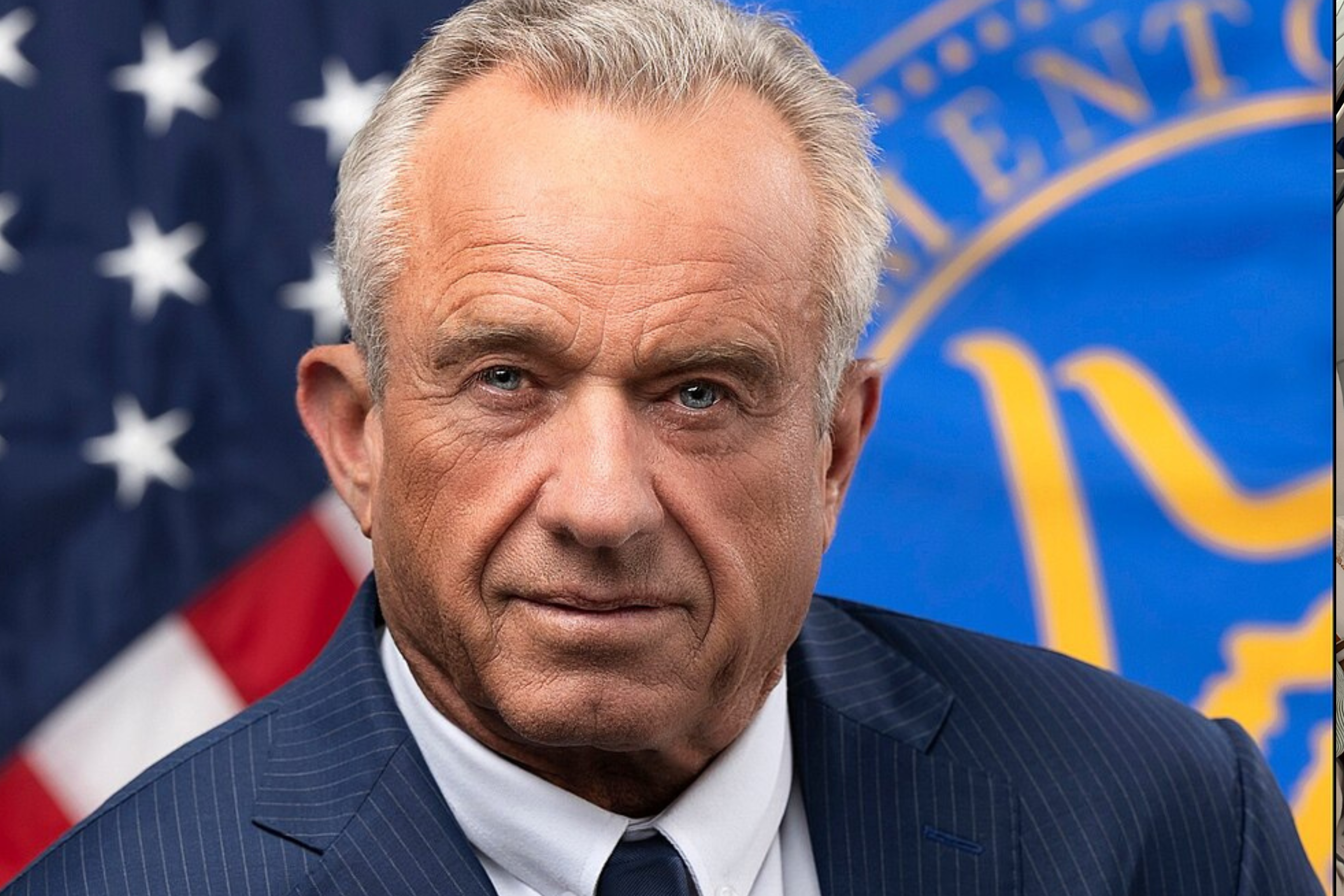
Robert F. Kennedy Jr., now serving as Health and Human Services Secretary under President Donald Trump, has announced that he plans to reveal the “causes” of autism this month. His statement comes even though the federally funded research program he unveiled in April has not yet begun its studies.
The pledge has unsettled many in the scientific and advocacy communities. Autism spectrum disorder is a lifelong developmental condition that affects about 1 in 31 children in the United States, according to the Centers for Disease Control and Prevention (CDC). Kennedy has claimed that “interventions” and “environmental toxins” are to blame, but decades of peer-reviewed research have consistently found no link between vaccines, medications, and autism.
This tension between political promises and scientific timelines has raised concerns among researchers and families alike. Quick answers may sound appealing, but autism research requires years of rigorous investigation. When announcements outpace evidence, it can weaken public trust in both science and government.
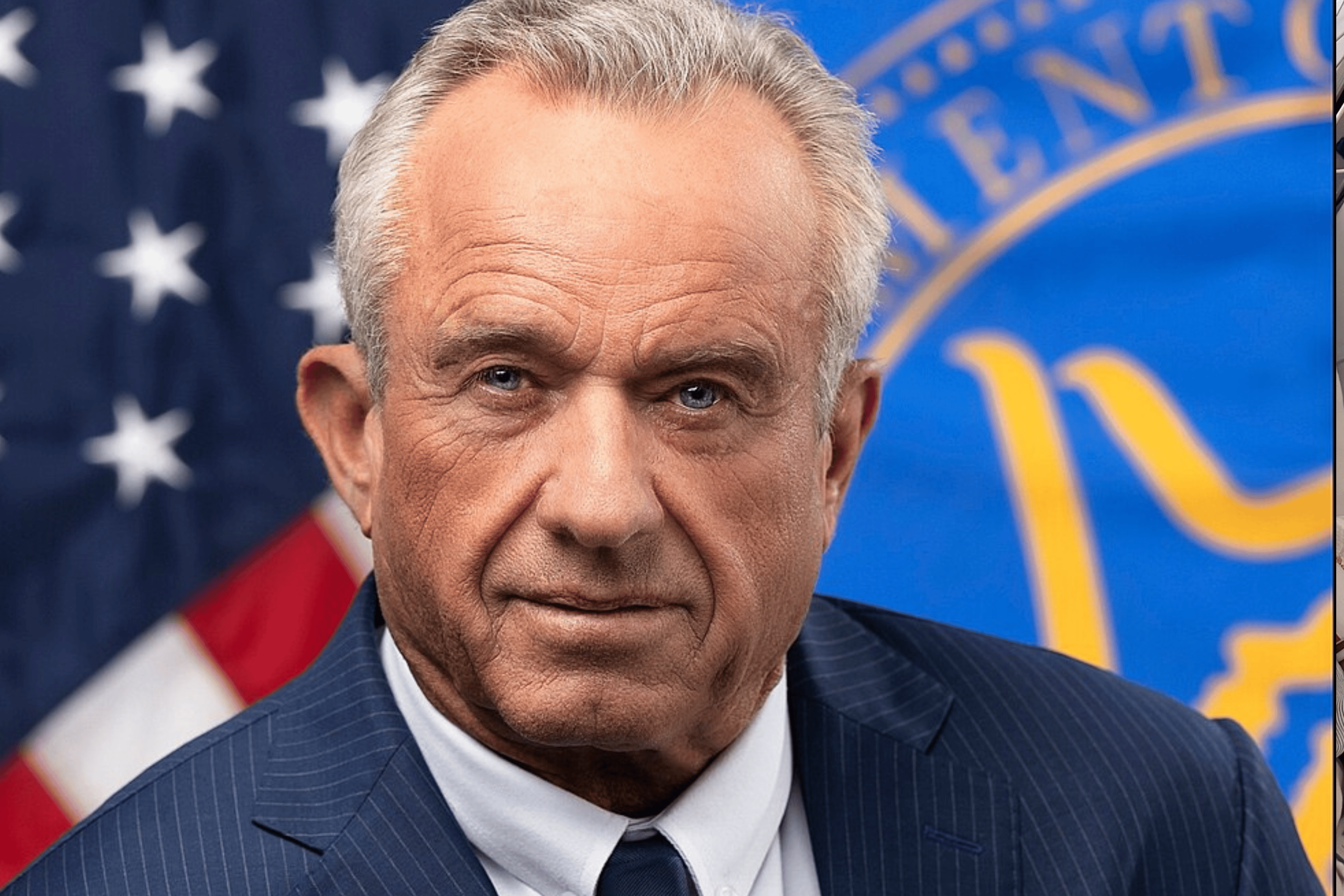
Kennedy’s Pledge and the New Autism Research Program
In April, Robert F. Kennedy Jr. told colleagues in a cabinet meeting that the government would soon uncover what he called the causes of an autism “epidemic.” He went further, saying, “In September, we will know what has caused the autism epidemic and we’ll be able to eliminate those exposures.”
That promise is tied to a new initiative under the National Institutes of Health (NIH) called the Autism Data Science Initiative. The program plans to distribute $50 million in grants, with each award supporting two to three years of research. The focus is on large data projects that can be replicated and verified by independent teams. While this is a substantial federal investment, the timeline highlights a contradiction: rigorous studies of this size cannot produce firm conclusions in just a few months.
Kennedy has also suggested that the answers will point to “interventions” that are “almost certainly” behind rising autism rates, doubling down on expectations that the findings will be both swift and definitive. This has sharpened scrutiny on how the studies will be conducted and whether the promised results align with scientific standards.
According to reports, NIH is preparing to fund as many as 25 projects from over a hundred applications, ranging from major academic centers to biotechnology companies. Researchers, advocates, and families are watching closely, knowing that whatever emerges from this program could influence both health policy and public understanding of autism.
Why Quick Fixes Don’t Equal Real Science
When it comes to autism, credible answers cannot be delivered on a political schedule. Science does not bend to deadlines. Valid research depends on a process built to protect accuracy: ethics review, careful data gathering, and independent verification before results can be trusted.
One example of this process is the CDC’s Vaccine Safety Datalink. Unlike informal reporting systems, it collects millions of anonymized patient records from major health providers and is designed for systematic checks that other scientists can replicate. It’s a reminder that quality science isn’t about speed—it’s about making sure results hold up when others look closely.
That’s why experts urge caution when claims are made about imminent discoveries. Even with powerful tools, meaningful findings take years to establish. Announcements that promise quick answers risk overshadowing the reality that research is a slow, deliberate path toward clarity.
Language is another part of the problem. When leaders describe autism as an epidemic or call it preventable, the narrative shifts from evidence to fear. That framing misrepresents the condition and fuels stigma. As Carleton University professor M. Remi Yergeau explained to PBS, “Autism is not an epidemic, nor is it a disease, and nor is it preventable.”
When Health Agencies Lose Stability
Behind Kennedy’s autism pledge, federal health agencies are facing their own crisis. The Centers for Disease Control and Prevention has seen a wave of departures in just weeks. After CDC Director Susan Monarez was forced out, at least four senior leaders—including Deputy Director Debra Houry and infectious disease chief Daniel Jernigan—also resigned. Reporting from the Associated Press and The Washington Post confirmed that internal disruption has already weakened CDC operations and raised alarm about how vaccine safety is being managed.
At the center of this conflict is David Geier, a controversial figure with a long history of criticizing vaccines. Earlier this year, House Democrats opened a formal probe into his hiring, writing that he is “patently unqualified to conduct research on vaccines.” Geier’s ties to the CDC go back decades. In 2004, his father and collaborator, Mark Geier, lost access to the Vaccine Safety Datalink after institutions raised concerns about how the data was being handled.
The decision to bring David Geier into current vaccine-safety work has divided the agency. According to The Washington Post, Daniel Jernigan linked his resignation to the administration’s push to give Geier access, saying, “What we see is a desire to go back and try and find those links that had been identified not to be there previously.” Meanwhile, more than 1,000 current and former HHS employees signed a letter calling for Kennedy to resign, warning that his approach is putting national health at risk.
In her faithful recitation of Big Pharma’s talking points, @WSJ @l_e_whyte parrots the defamation that an @HHSgov contract researcher David Geier was disciplined by the Maryland Board of Physicians for practicing medicine without a license. Whyte’s exercise in character… https://t.co/T7DKZRwAeR
— Secretary Kennedy (@SecKennedy) June 7, 2025
These developments have left the autism initiative under a cloud of uncertainty. Research programs rely on trust—in leadership, in data handling, and in transparent methods. Without stability inside public health agencies, even well-funded projects risk losing credibility before they begin.
How Politics Shapes the Autism Conversation
The discussion around Kennedy’s autism pledge has not stayed within the health community. At an August 26 cabinet meeting, President Donald Trump leaned into the timeline, telling his team that “we maybe know” the cause of autism. His support signaled that the White House was ready to amplify Kennedy’s message even before research had formally begun, as reported by PBS NewsHour.
In the days after, Trump shared a video promoting a vaccine–autism theory long rejected by scientific evidence. Politico noted that the move forced aides to quickly clarify the administration’s stance, emphasizing continued support for vaccines while Kennedy’s announcement loomed.

Moments like these show how presidential messaging can carry weight far beyond political circles. When leaders speak about health conditions without waiting for peer-reviewed findings, the public often takes those words as fact. For families navigating autism and for communities watching vaccine debates, these statements can blur the line between evidence and politics—shaping public trust in ways that science alone cannot undo.
Navigating the Noise: Practical Steps for Readers
When headlines mix science, politics, and celebrity voices, it can be hard to know what’s reliable. These steps can help keep your perspective clear:
- Start with credible sources
Institutions such as the CDC and the National Institutes of Health publish data and methods openly. Their findings are reviewed by experts and can be independently checked, unlike political speeches or viral clips. - Question fast timelines
Science is deliberate for a reason. Complex studies often take years, not weeks. If someone claims answers will arrive next month, ask how such rapid results could be possible. - Choose journalism that links back to evidence
Outlets like CNN, PBS, and ABC News have reported on this story by citing data and expert voices. Following coverage that includes direct references helps separate fact from speculation. - Notice how autism is described
Framing autism as an epidemic or preventable condition is misleading and harmful. As Carleton University professor M. Remi Yergeau stated, “Autism is not an epidemic, nor is it a disease, and nor is it preventable.” - Focus on quality of life
While politicians argue about causes, families and autistic individuals prioritize education, access to services, and community support. Centering these issues keeps the conversation grounded in what improves lives today. - Avoid spreading unverified claims
Social platforms often amplify the most dramatic takes. Before sharing, ask whether the information points to actual evidence. If it doesn’t, let it pass—choosing not to amplify speculation is its own form of responsibility.
The Human Side of the Autism Conversation
Behind the headlines and political debates are families navigating autism every day. For them, the search for causes is not the most pressing concern. What matters most is access to therapies, supportive schools, and communities that understand and include autistic individuals.

When public figures describe autism in terms of crises or epidemics, it can create more fear than clarity. Families are left managing stigma at the same time they’re advocating for resources. For many parents, the questions they bring to doctors or schools are about communication tools, social skills, and daily support—issues that directly affect their child’s quality of life.
Autistic self-advocates also remind us that the condition should not always be framed as a problem to be solved. Many stress the importance of acceptance, representation, and policies that ensure dignity in health care, education, and employment. These perspectives often get lost when the focus is on political promises about “discovering causes.”
By listening to the people most affected, the conversation around autism becomes more grounded in compassion and practicality. It shifts away from speculation and toward creating environments where autistic individuals and their families can thrive right now.
Beyond the Promises: Keeping Science and Humanity First
The rush to announce answers about autism may capture headlines, but it does little for families who live with the condition every day. Science requires patience, openness, and accountability—not declarations made before studies begin. As researchers continue their work, the responsibility of the public is to stay rooted in evidence and to push back against narratives that create fear or stigma.

Autism is not an epidemic, nor is it a problem to be solved overnight. It is a lifelong condition experienced by millions worldwide, and the way we talk about it shapes how society treats autistic people. Real progress lies not in political theater but in supporting therapies, schools, and communities that improve daily life, while ensuring research is transparent and trustworthy.
In the end, the measure of any public health effort is not in the speed of its announcements but in the integrity of its science and the dignity it affords the people it is meant to serve.
Featured Image from United States Department of Health and Human Services, Public domain, via Wikimedia Commons

.jpg)