
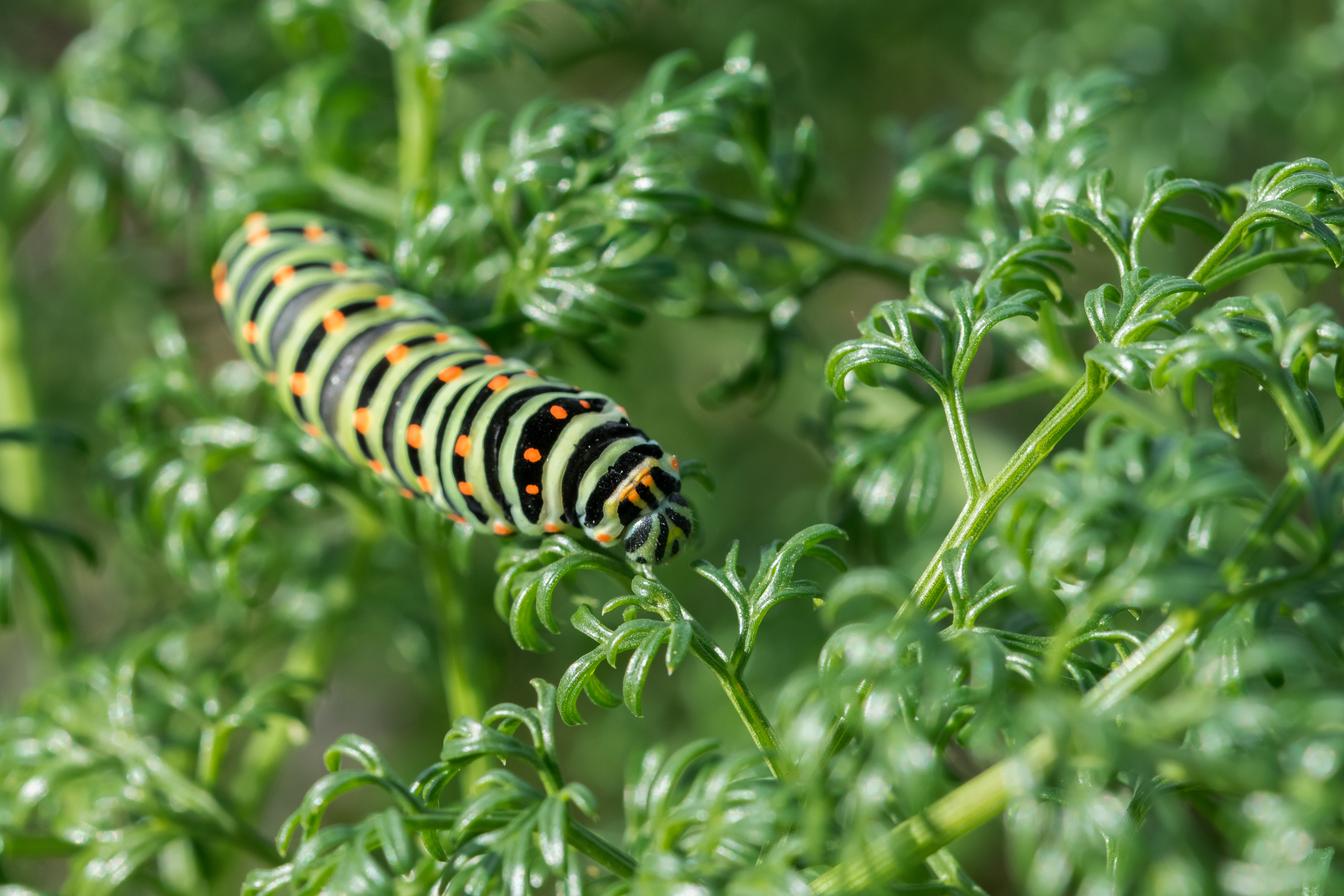
Dr. Federica Bertocchini was having a routine day tending her beehives when she discovered something that could change the world. As she cleaned out damaged honeycombs, removing pesky worms that had been munching through the beeswax, she tossed the creatures into a plastic bag for disposal.
What happened next defied everything scientists thought they knew about plastic waste. Within hours, her storage bag developed mysterious holes that seemed to appear from nowhere. Her instincts as a Spanish biologist kicked in as she examined the damage more closely.
The discovery lurking in that punctured bag would challenge decades of environmental science and offer hope for one of humanity’s most pressing pollution crises. What started as simple pest control became a potential solution to the plastic waste choking our planet.
Behind those tiny holes lay a biological breakthrough that could revolutionize how we handle the millions of tons of plastic suffocating ecosystems worldwide.
The Beekeeper Who Accidentally Saved the Planet
Bertocchini’s background as both a research scientist and amateur beekeeper positioned her perfectly to recognize the significance of what she witnessed. While most people might have dismissed the holes as simple damage, her scientific training demanded investigation.
Her beehives had been infested with Galleria mellonella larvae, commonly known as wax worms, which beekeepers consider serious pests. These caterpillars tunnel through honeycombs, destroying the intricate structures that bees work so hard to create.
The routine cleaning process involved manually removing the larvae and disposing of them safely. Bertocchini had performed this task countless times before without incident, making the plastic bag damage all the more puzzling.
Her dual expertise in biology and beekeeping gave her unique insight into both the worms’ natural behavior and the potential scientific implications of their unexpected plastic consumption.
The moment she connected the worm presence to the bag damage, Bertocchini realized she might have stumbled upon something extraordinary that warranted laboratory investigation.
When Pest Control Becomes Environmental Solution

Wax worms typically infest beehives during periods of colony weakness, when bees cannot adequately defend their structures. The larvae feed on beeswax, pollen, and honey, causing significant damage to hive infrastructure.
Beekeepers wage constant battles against these invasive pests, which can destroy entire colonies if left unchecked. The caterpillars bore tunnels through wax combs, leaving behind silk threads and waste that contaminate honey stores.
Professional apiarists employ various strategies to prevent wax worm infestations, including maintaining strong bee populations, proper hive ventilation, and regular inspection schedules. Despite these efforts, occasional infestations remain inevitable.
Bertocchini’s discovery transformed these destructive pests into potential environmental heroes. What had been viewed as nothing more than agricultural nuisances suddenly represented possible solutions to global pollution challenges.
The irony was striking: creatures that destroy natural wax structures might hold keys to eliminating artificial plastic pollution that threatens ecosystems worldwide.
Inside the Lab: Plastic-Eating Caterpillars Get Scientific

Laboratory testing confirmed Bertocchini’s initial observations about the worms’ plastic-consuming abilities. Controlled experiments revealed that Galleria mellonella larvae could chemically break down polyethylene, one of the most persistent plastics in existence.
Polyethylene represents approximately 30% of global plastic production and appears in countless everyday items, including shopping bags, food packaging, and bottle caps. Its molecular structure makes it extremely durable but notoriously difficult to recycle effectively.
Traditional recycling methods rely on mechanical processes that create lower-value products rather than true circular reuse. Chemical breakdown offers possibilities for creating valuable chemicals or, with additional processing, new plastic materials.
The worms demonstrated unprecedented breakdown speeds compared to other biological plastic degradation methods. Previous discoveries of plastic-eating microorganisms showed much slower processing rates under controlled conditions.
Research teams expanded testing to include various plastic types and environmental conditions, consistently finding impressive results that exceeded expectations for biological waste processing.
The Secret Sauce: Saliva That Dissolves Shopping Bags
Scientists discovered that wax worm saliva contains powerful enzymes capable of attacking plastic molecular structures. Research published in Nature Communications identified 200 proteins in the saliva and narrowed down two specific enzymes responsible for plastic degradation.
Phenol oxidase enzymes in the saliva can oxidize and destroy polymer chains through chemical processes that occur at room temperature. These enzymes recognize similarities between beeswax and plastic, both composed of long carbon chain structures.
“My beehives were plagued with wax worms, so I started cleaning them, putting the worms in a plastic bag. After a while, I noticed lots of holes and we found it wasn’t only chewing, it was [chemical breakdown], so that was the beginning of the story,” Bertocchini explained to researchers.
The enzymatic action works through biochemical pathways that evolved over millions of years to process natural wax compounds. Plastic polymers accidentally trigger the same degradation mechanisms that worms use to digest their natural food sources.
Understanding the precise molecular mechanisms opens possibilities for replicating these enzymes artificially rather than relying on live caterpillars for plastic processing applications.
From Whale Bellies to Worm Bellies: The Plastic Crisis

The urgency of plastic pollution becomes clear through heartbreaking examples like the young sperm whale found dead on Scotland’s Luskentyre Beach in 2019. Scientists discovered 220 pounds of plastic waste clogging the animal’s digestive system, causing starvation.
Similar discoveries occur regularly worldwide as marine life mistakes plastic debris for food. Sea turtles consume plastic bags thinking they are jellyfish, while seabirds feed plastic fragments to their chicks.
Microplastics now pervade every environment on Earth, from Mount Everest’s summit to the deepest ocean trenches. These tiny particles enter food chains and accumulate in organisms, including humans.
Current recycling efforts handle only about 9% of plastic waste globally, while 12% gets incinerated and the remainder accumulates in landfills or natural environments. Mechanical recycling processes often produce lower-quality materials with limited reuse potential.
The scale of the crisis demands revolutionary solutions beyond traditional waste management approaches, making biological degradation methods increasingly attractive to researchers and policymakers.
Nature’s Chemistry Set Beats Human Technology
Wax worm enzymes accomplish plastic breakdown under conditions that would be impossible for industrial processes. The biological degradation occurs at normal room temperature, in water, and at neutral pH levels.
Industrial plastic processing typically requires extreme heating, harsh chemicals, or both, making large-scale implementation expensive and environmentally problematic. High-temperature processing consumes significant energy and creates additional pollution concerns.
Professor Andy Pickford from the University of Portsmouth’s Centre for Enzyme Innovation noted the significance: “The reaction happens within a few hours at room temperature suggesting that enzymatic breakdown may be a route to making use of polyethylene waste.”
Water-based enzyme solutions could integrate into existing waste processing infrastructure without requiring major facility modifications. Home-scale applications might become feasible through simple kits that families could use for plastic bag recycling.
The mild processing conditions preserve the chemical value of plastic breakdown products, enabling recovery of useful compounds rather than simply destroying the materials through burning or harsh chemical treatment.
Scientists Discover 200 Proteins, Target the Golden Two

Research teams used advanced analytical techniques to identify specific proteins responsible for plastic degradation within the complex mixture of compounds found in wax worm saliva.
The systematic elimination process required testing individual proteins to determine which ones demonstrated plastic-attacking capabilities. Out of 200 identified proteins, researchers narrowed the search to two primary enzymes showing significant degradation activity.
Isolation of these specific enzymes enables production through synthetic biology methods rather than harvesting from live caterpillars. Laboratory synthesis could produce much larger quantities than would be practical through insect farming.
The research findings suggest broader applications beyond just wax worms. Scientists noted that “insect saliva might [be] a depository of degrading enzymes which could revolutionise the bioremediation field.”
Understanding the molecular structure of effective enzymes guides the development of enhanced versions through protein engineering techniques that could improve stability and processing speed.
Other Bugs Join the Plastic-Fighting Army
Wax worms represent just one example of nature’s evolving response to plastic pollution. Scientists worldwide are investigating beetles, butterfly larvae, and other insects for their plastic-consuming potential.
A 2021 study identified 30,000 different enzymes across global bacterial populations that might degrade ten different plastic types. Ocean and soil microorganisms appear to be rapidly evolving plastic-processing capabilities.
Japanese researchers discovered a “super-enzyme” that efficiently breaks down PET plastic bottles after finding a unique bacterium in a waste dump. Accidental laboratory modifications increased the enzyme’s potency beyond its natural state.
Bacteria from leaf compost have produced enzymes capable of degrading PET plastic, while other microorganisms can consume polyurethane, a widely used but rarely recycled plastic type.
The expanding catalog of plastic-eating organisms suggests that biological solutions may become mainstream approaches to waste management as research progresses and technologies mature.
What Happens to Plastic After Worms Eat It

Wax worm digestion breaks plastic down into natural compounds, including ketones and alcohols that pose no environmental threats. These breakdown products can be safely released or repurposed for other industrial applications.
Unlike incineration, which creates toxic emissions, or landfilling, which preserves plastic indefinitely, biological degradation transforms waste into useful chemicals. The circular economy potential eliminates the need for virgin plastic production from petroleum sources.
Chemical analysis confirms that enzymatic breakdown produces clean end products without dangerous residues or toxic byproducts. Environmental release of these natural compounds poses minimal ecological risks.
Industrial applications could recover valuable chemicals from plastic waste streams, creating economic incentives for collection and processing. Revenue generation from breakdown products could offset processing costs.
The clean degradation pathway addresses concerns about plastic pollution accumulation while creating opportunities for resource recovery rather than simple waste disposal.
The Long Road from Lab to Landfill
Commercial applications remain years away despite promising laboratory results. Scaling enzyme production from research quantities to industrial volumes requires significant technological development and investment.
Cost considerations include enzyme synthesis, processing infrastructure, and integration with existing waste management systems. Economic viability depends on developing efficient production methods that compete with current disposal costs.
Regulatory approval processes will require extensive testing to ensure safety and environmental compatibility. Government agencies must evaluate new biological waste processing methods before authorizing widespread implementation.
International cooperation will be necessary to address plastic pollution effectively, as waste streams cross borders and require coordinated management approaches. Technology transfer between developed and developing nations could accelerate global adoption.
The timeline for widespread implementation likely extends decades, but early applications in specialized facilities could begin much sooner as technology matures and costs decrease.
