
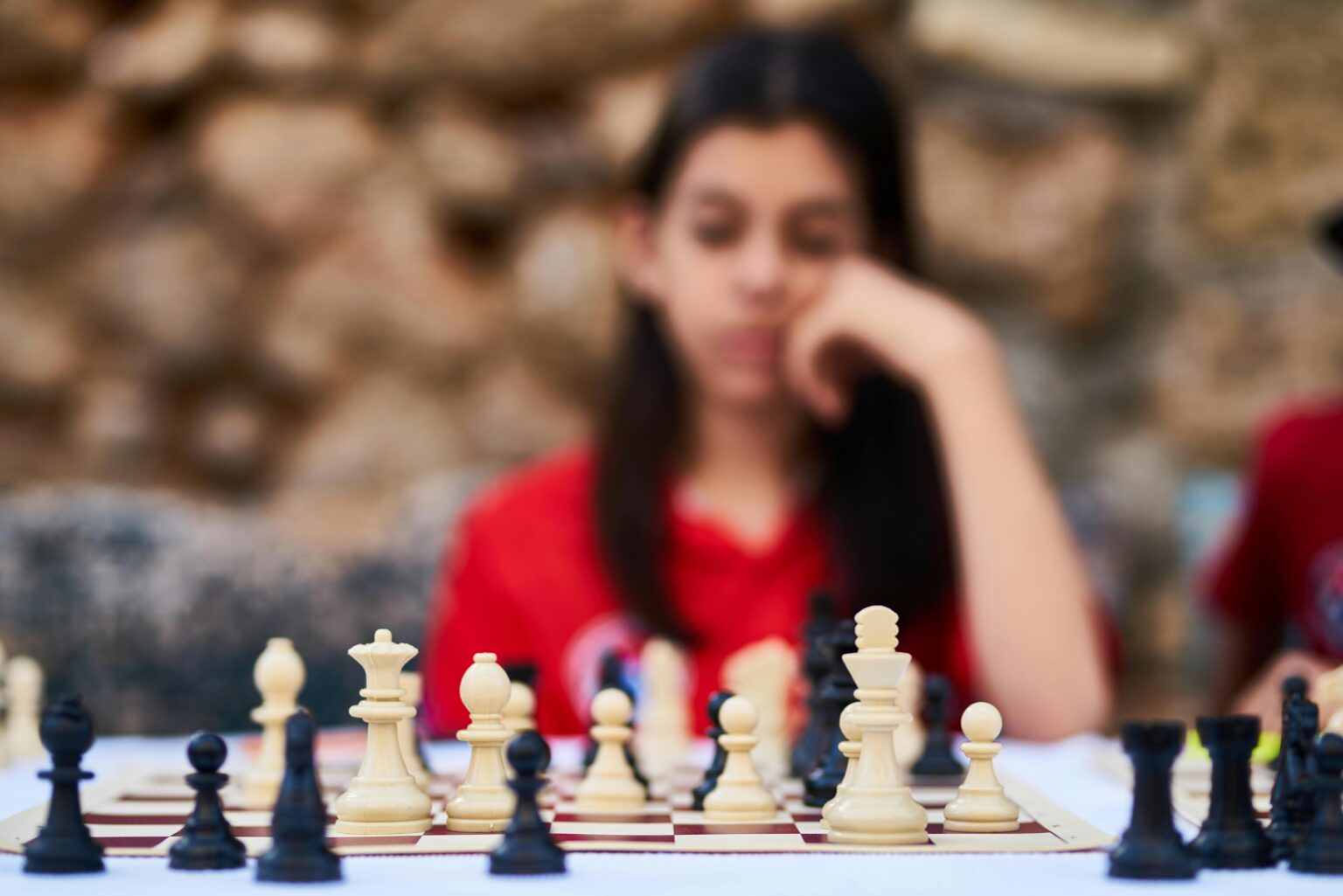
At just 19, Jessica Hyatt has not only made history but also redefined what it means to master the game of chess. As the youngest African American woman to earn the National Master title, Hyatt’s ascent is a powerful story of determination, discipline, and mental fortitude. Her rise to prominence is not only groundbreaking for African American representation in chess but also a testament to the extraordinary cognitive and emotional strength required to succeed at the highest levels of competition.
Jessica’s success story is deeply rooted in her beginnings in Brooklyn, New York, where she discovered chess through Chess in the Schools, a nonprofit committed to bringing strategic games to underserved communities. With fierce concentration and a hunger for learning, she climbed the ranks rapidly—claiming major titles and outperforming even seasoned players. Her ability to keep calm under pressure and think multiple moves ahead is not just a product of talent but also the result of
cultivating mental fitness from an early age.
The Brain Behind the Game

Chess isn’t just a board game—it’s a dynamic exercise for the brain. For players like Jessica, every match demands a high level of cognitive engagement: visualizing several moves ahead, recalling past strategies, and making rapid decisions under pressure. Each chessboard becomes a mental battlefield where memory, logic, and intuition are constantly at play. The ability to remain calm and focused, especially during high-stakes matches, reflects a brain that has been trained for endurance as much as precision.
Scientific research supports what Jessica’s story exemplifies: playing chess significantly enhances brain function. According to studies published in Frontiers in Psychology, engaging in regular chess play can improve memory, problem-solving skills, and even boost creativity. The game also strengthens the prefrontal cortex, the brain’s command center for planning, focus, and emotional regulation. These benefits are especially crucial for young people, whose developing brains thrive on such mental challenges.
Moreover, chess is increasingly being studied for its potential in preventing age-related cognitive decline. For older adults, regular engagement with chess and similar strategy games may offer protective effects against dementia and Alzheimer’s. For young prodigies like Jessica, it builds a lifelong foundation of mental agility that serves far beyond the board—benefiting academic pursuits, emotional well-being, and everyday problem-solving.
Building Cognitive Resilience
Behind every grandmaster-level move is a deeper story of persistence and mental stamina. Jessica Hyatt’s journey to the top was not paved with victories alone—she’s faced setbacks, intense competition, and the pressures of breaking new ground as a young Black woman in a male-dominated space. Her resilience, both mental and emotional, is what sets her apart.
Cognitive resilience is the brain’s ability to adapt, learn from setbacks, and stay sharp in the face of stress. For chess players, this means learning to rebound from losses without losing confidence and being able to perform under the intense scrutiny of competition. Jessica’s ability to maintain composure, whether drawing against top international players or defeating grandmasters, speaks volumes about her psychological strength. Her victories are built on countless hours of study, reflection, and mental rehearsal—habits that anyone can cultivate.
There are practical tools that support this kind of brain health. Meditation and breathing exercises, for example, have been shown to enhance focus and reduce anxiety—both essential for anyone needing to perform at a high cognitive level. Sleep, too, is a vital component. During sleep, the brain consolidates learning and primes itself for future problem-solving. Jessica’s success underscores how essential it is to treat brain health with the same care we give our physical bodies.
The Role of Community Support
While individual grit is crucial, Jessica’s story also reminds us how vital community support can be in unlocking potential. Without Chess in the Schools, Hyatt might never have discovered her talent. These programs not only teach strategy but also instill discipline, perseverance, and confidence. For students in underrepresented or economically challenged areas, chess becomes more than a pastime—it becomes a lifeline to new opportunities.
Mentorship, too, plays a key role. Jessica had coaches and mentors who believed in her abilities and helped her develop them. The impact of such guidance is especially strong in young minds, fostering both skill and a sense of belonging. Studies show that when young people feel supported in their goals—especially in academic and intellectual domains—they are more likely to persist, take risks, and achieve long-term success.
Furthermore, Hyatt’s journey sheds light on the need to diversify spaces like chess. Seeing someone who looks like them achieving greatness can inspire countless others. When community programs meet mentorship and representation, they create powerful ecosystems for success—something every young person deserves access to, regardless of their background.
What We Can Learn From Jessica Hyatt
Jessica Hyatt may be a once-in-a-generation chess prodigy, but the building blocks of her success are accessible to anyone. Her story is a reminder that cognitive excellence is not solely the product of innate genius—it’s built through daily habits, mental hygiene, and strategic lifestyle choices. For anyone striving to sharpen their focus, boost memory, or simply make better decisions, there are valuable lessons in how Jessica prepares her mind for competition.
One key takeaway is consistency. Whether it’s studying game openings or practicing mindfulness, Hyatt’s achievements stem from her disciplined routine. This consistency reinforces neural pathways, making complex thinking more fluid and intuitive over time. It’s a lesson in how small, repeated efforts create lasting brain change.
Another insight is emotional regulation. In chess, frustration or excitement can cloud judgment. Jessica’s ability to remain calm and centered, even after setbacks, speaks to her emotional intelligence—a skill that benefits every area of life, from academics to relationships. These qualities are not only learnable but also trainable through intentional practice.

Tips to Boost Your Brain Like a Chess Champion
- Play Strategy Games: Incorporate games like chess, Sudoku, or logic puzzles into your weekly routine. These challenge your brain’s executive functions and build cognitive flexibility.
- Eat Smart: Fuel your brain with foods rich in antioxidants, omega-3s, and vitamins—think leafy greens, blueberries, salmon, and walnuts. These nutrients support neuron health and mental clarity.
- Meditate Daily: Just 10 minutes of mindful breathing can reset your nervous system, reduce stress hormones, and improve attention span.
- Stay Hydrated: Your brain is about 75% water. Even mild dehydration can impair cognitive performance, so aim for 6–8 glasses of water a day.
- Sleep Well: Deep sleep allows your brain to consolidate memories and recharge. Prioritize 7–9 hours of quality sleep, especially before mentally demanding tasks.
- Exercise Regularly: Cardiovascular activities like walking, cycling, or swimming increase blood flow to the brain and release mood-boosting endorphins.
- Learn Continuously: Take up a new language, hobby, or skill. Novel challenges stimulate the hippocampus and support lifelong learning.

The Winning Move Is Wellness
Jessica Hyatt didn’t just train to be a chess champion—she cultivated a lifestyle that supports high performance in every sense. Her discipline, emotional strength, and community support form a holistic picture of what true success looks like. It’s a reminder that mental fitness isn’t just for elite players. Whether you’re solving equations, leading a team, or navigating daily life, a healthy brain is your most powerful ally.
Her journey offers more than inspiration; it offers a roadmap. One that invites you to nourish your mind, challenge your thinking, and believe in what’s possible with the right support and habits. Because in chess—and in life—the smartest move is always the one that strengthens your wellness.
