
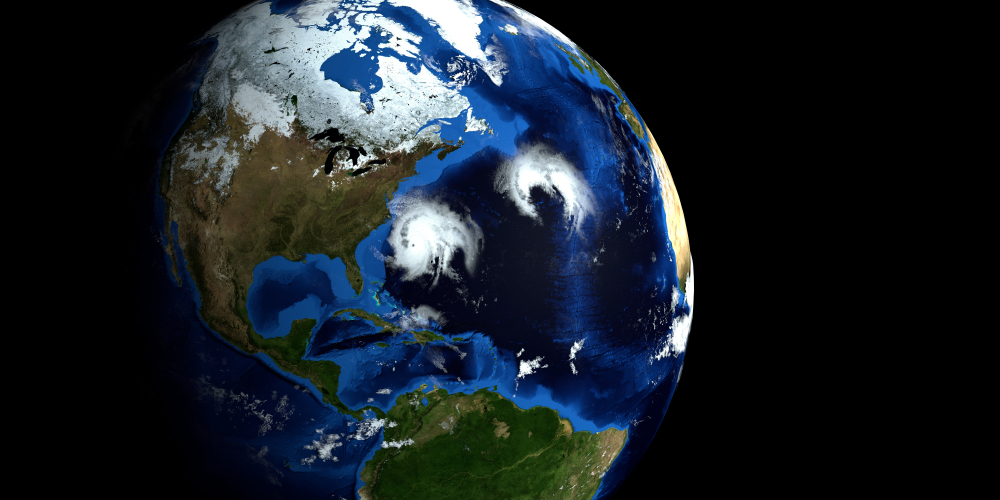
Scientists are revisiting one of the biggest questions humanity has ever asked: where exactly do we exist in the universe? New astronomical evidence suggests that Earth and our local group of galaxies may sit inside an enormous cosmic void that stretches nearly two billion light-years across. A void is a vast region of space containing far fewer galaxies and much less matter than expected. This idea is not entirely new, but recent observations have added weight to the possibility that our corner of the universe is unusually empty.
The renewed interest comes from attempts to explain a long-standing puzzle in cosmology known as the Hubble tension. Measurements of how fast the universe is expanding give different answers depending on how and where scientists look. One explanation proposes that if Earth lies inside a massive void, light traveling toward us from distant galaxies would behave differently, creating the illusion of conflicting expansion rates.
While this discovery sits firmly in the realm of astrophysics, it also touches something deeply human. Learning that we may be floating inside a vast cosmic emptiness reshapes how we think about scale, isolation, and connection. These ideas have psychological and emotional dimensions that ripple into health and wellness, especially in an age when many people already feel disconnected or overwhelmed.
Understanding the science behind the void is only part of the story. The larger question is how such revelations influence our mental health, stress levels, sense of meaning, and daily well-being. When science expands our awareness of the universe, it often invites reflection on our inner universe as well.

What Is a Cosmic Void and How Did Scientists Detect It
Cosmic voids are not empty in the everyday sense. They still contain dark matter, radiation, and occasional galaxies, but compared to dense clusters, they are sparse. In the large-scale structure of the universe, matter forms a web-like pattern, with filaments and clusters surrounding enormous hollow regions. These voids can span hundreds of millions of light-years, but the one scientists are discussing now is far larger than most previously identified.
The idea that Earth might sit within such a void comes from studying ancient light left over from the Big Bang, often called the cosmic microwave background. Tiny variations in this background radiation provide clues about the structure and density of the universe. When scientists analyze how sound waves from the early universe traveled through space, they can infer whether matter was evenly distributed or unevenly spread.
Recent analyses suggest that our region of space may have a lower density of matter than surrounding regions. This difference could affect how light stretches as it moves across space, subtly changing how we measure cosmic expansion. If confirmed, this would mean our local measurements are biased by our position inside a vast underdense region.
From a wellness perspective, this reminds us that perception depends on context. Just as astronomers must account for where they are when interpreting data, humans must recognize how environment and perspective shape thoughts, emotions, and health outcomes. Awareness of context is a powerful tool for both science and personal well-being.
Why the Hubble Tension Matters Beyond Astronomy
The Hubble tension is more than a technical disagreement between scientists. It highlights how complex reality can be and how multiple truths can appear to conflict depending on how they are measured. One method uses nearby stars and galaxies, while another relies on ancient light from the early universe. The numbers do not match, and that mismatch has sparked years of debate.
If Earth truly lies inside a massive void, the discrepancy may not signal broken physics but rather an incomplete understanding of our cosmic neighborhood. This reframing is important because it shows that new perspectives can resolve long-standing stress points without discarding established knowledge.
In health and wellness, a similar pattern often appears. Conflicting advice about diet, exercise, or mental health can leave people confused and anxious. Sometimes the issue is not that one approach is wrong, but that individual context matters more than universal rules. Personalized perspectives often bring clarity where generalized guidance fails.
The lesson from the Hubble tension is patience and openness. Scientific progress, like personal growth, rarely follows a straight line. Accepting uncertainty and allowing room for new explanations can reduce anxiety and promote mental flexibility, both of which are linked to better long-term health.

The Psychological Impact of Cosmic Scale and Perceived Isolation
Learning that Earth may be surrounded by a vast cosmic emptiness can trigger mixed emotional responses. For some, it inspires awe and curiosity. For others, it can stir feelings of insignificance or existential unease. Research in psychology shows that contemplating vastness can temporarily shrink the sense of self, which may either relieve stress or amplify anxiety depending on mindset.
Awe has been associated with positive mental health outcomes, including reduced stress and improved mood. When people reflect on something larger than themselves, everyday worries often feel less overwhelming. Viewing Earth as part of an immense cosmic structure can encourage humility and perspective, both linked to emotional balance.
However, feelings of isolation can also emerge, especially when cosmic discoveries are framed without grounding. Humans are social beings, and the idea of being adrift in an enormous void can echo personal feelings of loneliness. This is why context and interpretation matter so much when engaging with big scientific ideas.
A healthy response lies in integration. Recognizing cosmic vastness while also affirming human connection can strengthen emotional resilience. Practices such as mindfulness, community engagement, and nature exposure help anchor abstract ideas into lived experience, supporting psychological well-being.
How Cosmic Discoveries Influence Stress, Sleep, and Daily Health
Scientific news can subtly influence stress levels, even when it does not directly affect daily life. Sensational headlines about space, time, and the universe can activate the nervous system, particularly in people who already struggle with anxiety. The brain does not always distinguish between abstract and immediate threats.
When stress responses are repeatedly activated, sleep quality may suffer. Late-night exposure to stimulating or unsettling information can interfere with the body’s natural circadian rhythm. Poor sleep, in turn, affects immune function, mood regulation, and cognitive clarity.
Balancing curiosity with boundaries is essential. Staying informed is healthy, but so is knowing when to step back. Limiting exposure to intense news before bedtime and pairing learning with calming routines can protect sleep and mental health.
Interestingly, cosmic perspectives can also support relaxation when approached intentionally. Stargazing, for example, has been linked to reduced stress and improved mood. When the universe is experienced as beautiful rather than threatening, it can encourage calm reflection and emotional grounding.

Using Cosmic Perspective to Support Mindfulness and Resilience
The idea of Earth inside a vast void can be reframed as an invitation to mindfulness. When faced with immensity, many people naturally slow down and reflect. This response is not accidental. The human mind often becomes quieter when it encounters something far larger than everyday concerns. This shift mirrors mindfulness practices that focus attention on the present moment and gently interrupt cycles of overthinking and rumination.
Mindfulness has been shown to lower cortisol levels, improve emotional regulation, and support cardiovascular health. When people engage with big ideas such as cosmic scale in a calm and curious way, the nervous system can move out of constant alert mode. Cosmic contemplation can act as an informal mindfulness exercise when it encourages stillness, wonder, and curiosity rather than fear or overwhelm. Over time, this can support a more balanced stress response.
Resilience grows when individuals learn to hold complex ideas without becoming overwhelmed. Accepting that we live in an immense and mysterious universe does not diminish human meaning. Instead, it can deepen appreciation for connection, health, and everyday experiences that are often taken for granted. This broader perspective can make challenges feel more manageable by placing them within a wider frame of reference.
Simple practices such as journaling about awe inspiring ideas, meditating under the night sky, or discussing scientific discoveries in supportive communities can turn abstract knowledge into a source of strength rather than stress. These activities help translate intellectual curiosity into emotional grounding, allowing cosmic awareness to support calm, resilience, and mental clarity.
A Grounded Takeaway for Health in an Expansive Universe
While the idea that Earth may be trapped in a colossal cosmic void sounds dramatic, it does not change the fundamentals of human health. What it does change is perspective. It reminds us that context shapes understanding, both in science and in life. When perspective widens, reactions often soften, making space for reflection rather than fear.
Health and wellness thrive when curiosity is balanced with care. Exploring the universe can inspire wonder and intellectual excitement, but daily habits such as nourishing food, restorative sleep, regular movement, and emotional connection remain the foundation of well-being. Big ideas are healthiest when they sit alongside consistent routines that support the body and mind.
Cosmic discoveries invite us to zoom out, but wellness asks us to return gently to the body and mind. Holding both views at once creates balance. You can marvel at the universe while still paying attention to breathing, posture, emotions, and physical needs. This balance helps prevent abstract thinking from pulling attention away from self care.
In a universe that may be far emptier than we once thought, human connection, self awareness, and compassion become even more meaningful. Your health matters not because of your size in the cosmos, but because experience itself is rare and precious. Caring for that experience is an essential part of living well.
