
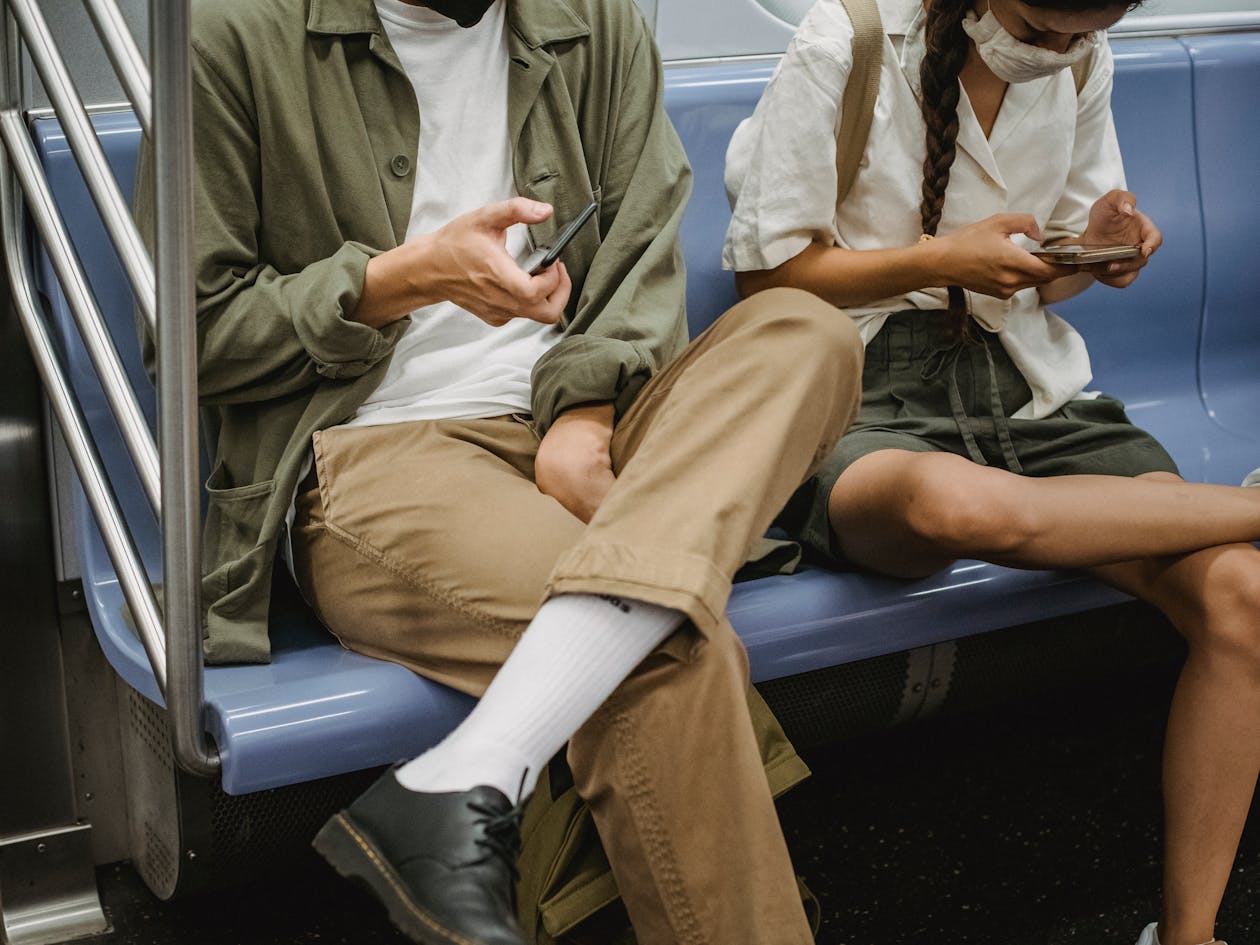
On a packed London Tube during rush hour, a woman pulls out her phone and records what looks like a normal scene: rows of men sitting, rows of women standing. It’s barely 15 seconds long, but the video sets off a firestorm. Within days, it racks up over a million views, and suddenly, a simple commute has people arguing over gender roles, social etiquette, and what we owe each other in public spaces.
Should men still give up their seats for women? Or has the idea become outdated just another relic of a time when courtesy was tangled up with condescension?
The conversation isn’t just about who sits where. It’s about what happens when old expectations meet new definitions of equality, when civility clashes with individualism, and when viral clips expose the everyday choices we make often without thinking.
The Viral Clip That Sparked a Global Debate
On June 23, 2025, TikTok user @annibaxter filmed a scene on a London Tube train: every seat was taken by men, while women stood. She posted the 15-second video with the hashtag #womeninmensfields. The clip quickly gained 1.4 million likes, even after she disabled comments. This pushed the discussion onto platforms like X and Reddit.
The visual of men sitting and women standing became a point of focus. Other TikTok users, like @catlouisemx and @rayanaalyssa, posted similar videos from different Tube lines, suggesting that traditional courtesy, often called “chivalry,” was gone and that men were now competing for seats.
Within 48 hours, reports on X described commuters being pushed aside for seats and pregnant individuals standing for their entire journey while men avoided eye contact. On Reddit, people shared their personal accounts. For instance, a cyclist on crutches noted that every offer of a seat came from another woman, not a man.
This incident, which could have been a simple complaint about manners, became a broader discussion about gender expectations in public. Those who supported offering seats saw the video as a sign of declining empathy. Those against it argued it was an outdated expectation that didn’t align with gender equality. The quick and widespread reaction showed how a single video could highlight general concerns about courtesy and community on crowded public transport.
What the Reactions Reveal

What used to be a quiet expectation offering your seat to someone who might need it more—has morphed into a full-blown race for personal comfort. Multiple women who responded to the viral clip described a noticeable shift: not only are fewer men offering seats, some are physically pushing past women to get them first.
TikTok videos and posts on X told similar stories. One woman wrote, “Getting really annoyed at GROWN MEN racing me for seats on the Tube, do you not have any shame?” Another said she was physically shoved aside even when multiple seats were open. Others described men “scramming” down the aisle to sit, ignoring who else might be standing nearby. The language used pushed, shoved, raced points to more than just bad manners. It reveals a kind of survival-mode behavior usually reserved for emergencies, not morning commutes.
Part of this shift may be linked to how urban life now functions. Peak-hour Tube rides are loud, crowded, and often stressful. In that environment, some people default to self-preservation. But the trend also suggests something deeper: a cultural breakdown in shared norms. Traditional courtesies whether you agree with them or not relied on people acknowledging others around them. What these reactions show is a growing disconnect: people seeing the seat, but not the person standing right in front of them.
The backlash isn’t just about chivalry being dead. It’s about the fact that no one seems to be paying attention anymore. Not to gender, not to need, not to anything outside of their phone screen or their own tired feet. That’s what unsettled so many people watching the original clip it didn’t just show seated men and standing women. It showed a packed train full of people acting like no one else existed.
Who Really Gets a Seat? The Gender Gap in Everyday Kindness

The viral clip sparked outrage, but it also opened a window into something more telling: who actually gets offered a seat when it matters. And the patterns that emerged weren’t just about gender they were about attentiveness, or the lack of it.
On Reddit, a woman recovering from a cycling injury shared that during 10 weeks on crutches, it was only women often elderly or carrying children themselves who gave up their seats. She described how male passengers would make eye contact, look her up and down, then bury their faces in their phones or turn away. “Every single time without fail, it has been a woman who offered her seat,” she wrote. Her experience wasn’t an outlier. Similar accounts poured in: pregnant women left standing, people with visible injuries ignored, priority seats left occupied by able-bodied commuters.
The most consistent factor wasn’t who deserved a seat it was who noticed. And over and over again, the people noticing were women. Whether that reflects deeper social conditioning, higher empathy, or simply more willingness to look around, the result is the same: men were less likely to give up their seat, even when the need was obvious.
It’s not that men don’t care but the data points to a cultural blind spot. On crowded trains, many people scan for available seats but not necessarily for who might need one more. That matters, because need isn’t always visible. A pregnancy may not show. An injury may be hidden under clothing. Chronic conditions, fatigue, and disabilities can all be invisible to someone who isn’t looking.
This isn’t about blaming individuals it’s about showing how everyday choices reveal unconscious priorities. And in this case, the uncomfortable truth is that kindness on public transport appears to be unevenly distributed, often falling on the shoulders of those already shouldering more.
Equality or Courtesy? Why People Are Divided

The viral Tube debate didn’t just reignite frustration it revealed a deep split in how people interpret fairness. On one side, there’s the argument that offering your seat is basic human decency. On the other, a growing chorus says: If we’re all equal, why should anyone be expected to give up their seat based on gender alone?
Plenty of men weighed in to say they would gladly offer a seat to someone who’s pregnant, elderly, or disabled but not simply because that person is a woman. “You equal woman can stand up just like I would,” one TikTok user said bluntly. It’s a sentiment echoed by others who view seat-giving based on gender as a dated, even patronizing, leftover from another era.
But the divide isn’t strictly along gender lines. Many women agreed. Comments from female users included: “I’m not pregnant, not disabled, not elderly and I don’t expect anyone to give me their seat,” and “They got there first. It’s public transport, not a throne.” For some, expecting a seat based on womanhood alone contradicts the very equality they’ve fought for.
At the same time, others particularly older generations see the shift as a loss of social grace. They remember a time when public courtesy wasn’t up for debate. For them, the issue isn’t about privilege it’s about respect.
This clash isn’t new. It mirrors broader debates about gender roles in everything from dating to the workplace. But on a crowded train, the tension becomes visible and immediate. When someone declines to move or insists on staying seated what does that decision mean? Is it selfishness, fairness, obliviousness?
The truth is, both sides are reacting to the same discomfort: no one wants to feel invisible or entitled. And in the absence of shared expectations, the Tube becomes a testing ground for whose version of “respect” wins out in the moment.
How to Navigate Public Transport with Decency

You don’t need a moral debate to know when someone could use a seat more than you. The trick isn’t following outdated gender rules it’s learning to pay attention. Courtesy on public transport doesn’t require grand gestures. It’s often about small, thoughtful decisions made in crowded, uncomfortable spaces. Here’s how to handle it with basic decency:
1. Look Up Literally
Most people miss who’s standing around them because they’re glued to their phones. Make it a habit to glance up when someone new enters the carriage. Are they pregnant? Holding a child? Using a cane? You can’t offer a seat if you don’t bother to look.
2. Don’t Wait to Be Asked
Needing help can be uncomfortable to voice. People who are tired, injured, or unwell may not feel confident asking. If someone looks like they’re struggling, offer your seat politely. If they decline, that’s fine. But don’t assume silence means everything’s okay.
3. Ditch the Gender Lens Focus on Need
It’s not about whether the person is a woman, a man, or anything in between. It’s about recognizing vulnerability: fatigue, mobility challenges, age, illness, pregnancy even when it’s not immediately obvious.

4. Respect Priority Seating Areas
Those seats aren’t suggestions they’re clearly marked for a reason. If you’re sitting in one, stay alert to anyone who might need it. That includes people with invisible disabilities who may not “look” like they qualify.
5. Lead by Example Without Shaming Others
Getting up for someone is a personal decision. Do it because it’s the right thing to do—not because you’re making a point. Calling out others or filming them rarely creates change. Acting with quiet awareness does.
6. Know That You Might Get It Wrong That’s Okay
You might misread someone’s condition or offer your seat to someone who didn’t need it. No harm done. It’s better to err on the side of generosity than to pretend people around you don’t exist.
Public transport is shared space. How we behave in it speaks volumes about how we value others not as categories or symbols, but as people with real needs.
Courtesy Isn’t Gendered It’s Human

The Tube video didn’t go viral because it was shocking. It went viral because it was familiar. Everyone recognized something in that 15-second clip whether it was frustration, embarrassment, guilt, or fatigue. It forced people to ask what public behavior should look like in a time when equality and empathy are both under pressure.
This isn’t about bringing back chivalry or defending outdated traditions. It’s about recognizing that decency doesn’t expire just because social roles evolve. Offering a seat shouldn’t be a gendered reflex it should be a human one. When someone clearly needs it, you give it up. No drama, no speech, no performative guilt.
What the debate really highlights is a breakdown in attention. We’re surrounded by people in need and often don’t even notice. The better question isn’t “Should men give up their seats?” It’s “Are we still paying enough attention to each other to notice who needs one?”
Kindness in public doesn’t require a rulebook. It just requires you to look up, notice someone’s struggling, and do something about it. That’s not chivalry. That’s basic human awareness and we need a lot more of it.
