
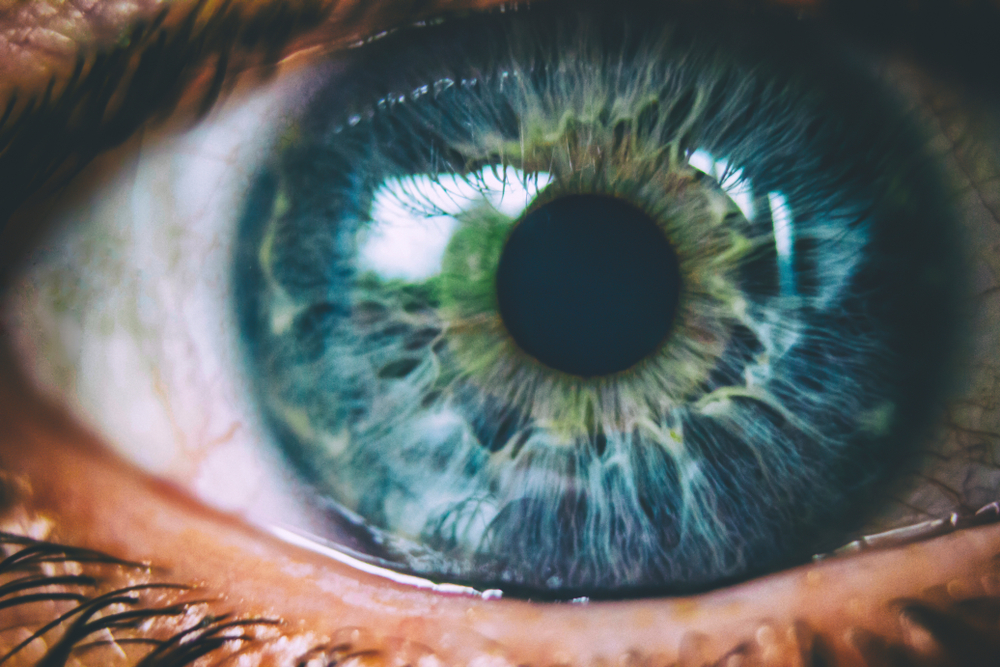
Vision loss is one of the most feared health problems, not only because it affects independence but also because it profoundly changes how we interact with the world. Among the many causes of blindness, damage to the cornea—the clear front layer of the eye—is especially devastating. For people who suffer burns, infections, or trauma to the eye, the loss of corneal stem cells can mean that even traditional corneal transplants will not work. Without these vital stem cells, the cornea cannot heal properly, leaving patients with blurred or lost vision and constant discomfort.
In recent years, new treatments built on stem cell science have started to change this story. Researchers in Boston have pioneered techniques that allow damaged corneas to regenerate, in some cases restoring vision that was thought lost forever. These approaches include isolating pure stem cells using a protein marker called ABCB5 and growing replacement tissue from a patient’s own cells through cultivated autologous limbal epithelial cell therapy (CALEC). For patients and families affected by corneal blindness, these breakthroughs are more than lab results—they represent a tangible hope that their sight can be restored.

What Science Says About Napping and Brain Volume
A new study has drawn attention to the potential role of daytime naps in preserving brain health. Researchers from University College London, the University of the Republic in Uruguay, and the Broad Institute analyzed genetic and brain imaging data from nearly 380,000 participants in the UK Biobank, with an average age of 57. Their approach used a method called Mendelian randomization, which leverages genetic variants to test whether certain traits—in this case, the tendency to nap—are linked to specific health outcomes.
The findings showed that people with a genetic predisposition to napping had, on average, larger brain volumes than those without such genetic markers. Lead author Valentina Paz reported that the increase amounted to about 15.8 cubic centimeters—roughly equivalent to a brain that appears 2.6 to 6.5 years “younger” than expected. Since brain shrinkage is often associated with neurodegeneration, these results suggest that napping could be linked to maintaining structural brain health.
However, the study has limitations. It did not track actual napping habits in detail—participants were simply asked if they napped “never/rarely,” “sometimes,” or “usually.” Nor did it account for nap duration or context, which can vary widely. Critics such as Dr. Rebecca Spencer of the University of Massachusetts Amherst noted that without precise data, it’s difficult to draw firm conclusions. Others, like Professor Penelope Lewis at Cardiff University, cautioned that the results may still reflect correlation rather than direct causation.
Even with these caveats, the study represents a significant step in understanding how rest during the day might influence long-term brain health. As Dr. Paz emphasized, the research highlights the need for more detailed investigations into how and when naps could be beneficial.
Vision loss is one of the most feared health problems, not only because it affects independence but also because it profoundly changes how we interact with the world. Among the many causes of blindness, damage to the cornea—the clear front layer of the eye—is especially devastating. For people who suffer burns, infections, or trauma to the eye, the loss of corneal stem cells can mean that even traditional corneal transplants will not work. Without these vital stem cells, the cornea cannot heal properly, leaving patients with blurred or lost vision and constant discomfort.
In recent years, new treatments built on stem cell science have started to change this story. Researchers in Boston have pioneered techniques that allow damaged corneas to regenerate, in some cases restoring vision that was thought lost forever. These approaches include isolating pure stem cells using a protein marker called ABCB5 and growing replacement tissue from a patient’s own cells through cultivated autologous limbal epithelial cell therapy (CALEC). For patients and families affected by corneal blindness, these breakthroughs are more than lab results—they represent a tangible hope that their sight can be restored.
This article breaks down what these new treatments mean, how they work, and what challenges remain before they become widely available. Whether you are living with vision problems, supporting someone who is, or simply curious about the latest in medical science, the goal here is to make the information clear, relatable, and useful.

Understanding Corneal Blindness
The cornea may look like nothing more than a transparent dome at the front of the eye, but it is essential for clear vision. It focuses incoming light onto the retina, working like a lens that allows us to see detail. When the cornea is damaged, its transparency is lost and scar tissue or abnormal blood vessels may form. The result is cloudy vision, pain, sensitivity to light, and in severe cases, total blindness. The condition is especially frustrating because even though the inner structures of the eye may still function, the window through which light enters is blocked.
At the heart of this problem is a special type of stem cell found in the limbus, a ring-shaped area around the cornea. These limbal stem cells continuously renew the cornea, repairing scratches and maintaining its smooth, clear surface. If they are destroyed by chemical burns, infections, or autoimmune diseases, the cornea cannot recover. Standard corneal transplants—where donor tissue is surgically grafted—do not solve this issue because they replace the surface without restoring the stem cells needed to maintain it. Over time, the new tissue also fails.
This explains why patients with limbal stem cell deficiency often hear that nothing more can be done for them. They may live with chronic pain, blurred vision, or complete blindness, sometimes for decades. Understanding this biology helps explain why the new stem cell therapies are so significant: they go beyond replacing damaged tissue and instead restore the cornea’s ability to heal itself.

The Discovery Of The Right Stem Cells
One of the biggest barriers to successful treatment has always been knowing which cells actually have the power to regenerate the cornea. In earlier attempts at limbal stem cell transplantation, doctors noticed that outcomes varied widely. Some patients regained vision, while others saw little or no improvement. Research revealed that success depended on whether enough true stem cells were present in the graft. But because scientists had no way of identifying them, results were inconsistent and unpredictable.
That changed when researchers at the Harvard Stem Cell Institute identified a protein called ABCB5, which acts as a reliable marker for limbal stem cells. By tagging this protein, they could separate the genuine stem cells from other types of cells in the limbus. When these purified cells were transplanted into mice with corneal blindness, the results were striking. The corneas not only regained normal thickness and structure, but the improvements lasted for more than a year. This provided the first solid evidence that adult stem cells could regenerate an entire corneal surface when precisely identified and used.
The discovery of ABCB5 has opened the door to therapies that are far more predictable and scalable. A single donor eye could potentially provide enough purified stem cells to treat multiple patients, making this approach more practical for widespread use. Researchers are now working with biopharmaceutical companies to produce clinical-grade antibodies that target ABCB5, a critical step toward beginning human trials. For patients, this represents the hope of a treatment that is not only more effective but also more accessible.

The CALEC Clinical Breakthrough
While the ABCB5 discovery is still preparing for human application, another approach called cultivated autologous limbal epithelial cell therapy, or CALEC, has already been tested in patients with encouraging results. CALEC begins with a small biopsy from a patient’s healthy eye. These stem cells are then cultivated in the lab under carefully controlled conditions for two to three weeks until they form a tissue graft. The graft is then transplanted onto the damaged eye, where it replaces the diseased surface with new, healthy cells. Because the cells come from the patient’s own body, the risk of rejection is minimal.
In March 2025, results from a phase 1/2 clinical trial were published in Nature Communications. Fourteen patients with severe corneal injuries took part, and the outcomes were remarkable. By 12 months, nearly 80 percent had achieved complete restoration of the corneal surface, and by 18 months, more than 90 percent had either complete or partial recovery. Many also experienced significant improvements in vision. For individuals who had lived with blindness and pain from conditions considered untreatable, this was life-changing.
The safety profile was also strong. No major adverse effects occurred, and the only notable complication—a bacterial infection in one patient—was linked to chronic contact lens use rather than the treatment itself. These results suggest CALEC could become a reliable option for patients with limbal stem cell deficiency, offering not just temporary improvement but long-term stability. It marks the first time a stem cell therapy has shown this level of consistency in human eyes.

Challenges Still Ahead
As promising as these therapies are, it is important for patients to understand the limitations and hurdles that remain. CALEC, for example, depends on harvesting stem cells from the patient’s healthy eye, which means it is not an option for those with damage in both eyes. Researchers are actively exploring donor-based (allogeneic) approaches, where cells from a healthy cadaver donor could be cultivated for use in multiple patients, but this adds complexity around immune compatibility and long-term safety.
Manufacturing and scaling also present challenges. Cell therapies are not like traditional drugs; they require specialized facilities, strict protocols, and careful monitoring to meet regulatory standards. This makes them expensive and logistically difficult to deliver widely. Larger clinical trials involving more diverse groups of patients will be necessary before regulators like the FDA can approve these treatments. These steps, though time-consuming, are crucial to ensure safety and reliability.
There are also ethical and financial questions. Some researchers involved in the CALEC trial have financial interests in companies developing these therapies. While this is common in biotech, it raises the issue of access: will these treatments be available to all who need them, or only to those who can afford cutting-edge care? Addressing cost and availability will be just as important as refining the science.
A Future Of Restored Vision
Despite these challenges, the trajectory is clear: regenerative medicine is transforming eye care. For patients who once had no options, the possibility of regaining sight is no longer a dream but an emerging reality. These advances are the result of years—sometimes decades—of persistence, collaboration, and careful study. They show what is possible when basic science and clinical practice move forward together.
For individuals living with vision loss, the message is one of cautious optimism. These therapies are not yet widely available, but they are advancing toward the point where they could become standard treatment. Staying informed, asking questions, and discussing emerging options with eye specialists will be important steps for patients and their families.
On a larger scale, the story of corneal regeneration is a glimpse of what the future of medicine may look like. Instead of patching damaged organs, we may increasingly learn to rebuild them using the body’s own cells. For the millions affected by corneal blindness, that future is starting to come into focus.
