
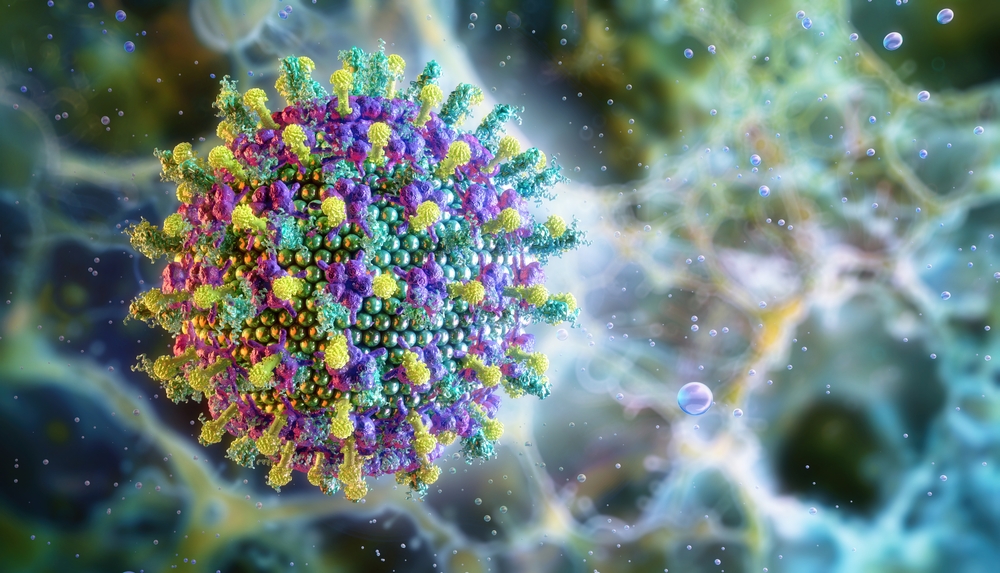
What if life isn’t as clear-cut as we’ve always believed? Imagine a state of being that exists between life and death—where consciousness lingers, but the body is no longer fully alive. A new scientific discovery is challenging everything we thought we knew about the boundaries of life. Scientists have uncovered a “third state of being” that exists somewhere between life and death, and it’s suggesting something even more mind-boggling: our cells may possess consciousness.
This discovery emerged from an unexpected corner of science—xenobots. These living robots, made from self-organizing cells, don’t just perform tasks—they think, adapt, and respond to their environment. Could this behavior be evidence that our cells themselves hold a form of consciousness, potentially rewriting the way we view the very essence of life? As we dive deeper into this fascinating research, we explore what this breakthrough means for our understanding of life, death, and the mysteries that lie in between.
What is the “Third State” of Life?

When we think of life, we typically imagine the vibrant, energetic processes that define living organisms—breathing, moving, and reproducing. On the other hand, death has traditionally been seen as the cessation of these functions. But what if death is not the end? What if some cells continue to function or even reorganize themselves into entirely new forms after an organism’s death? This is the essence of what scientists are now calling the “third state.”
The “third state” exists in the liminal space between life and death, where certain cells, when provided with the right conditions, exhibit behaviors that challenge our traditional understanding of biology. In this state, cells can reorganize themselves, take on new functions, and form completely new structures—behaviors that would be unimaginable while the organism was alive. It’s as though the biological clock hasn’t fully run out yet, and the cells are finding new ways to “live” beyond death.
A prime example of this phenomenon is xenobots, artificial organisms created from the cells of frog embryos. In experiments, these cells, when isolated and placed in a lab environment, spontaneously reassemble into functioning structures that are capable of movement and self-repair.
Instead of merely following the role of moving mucus as they did in the living frog, the cells take on a new purpose—using their hair-like cilia to propel themselves through water.
What’s even more astounding is that these xenobots are capable of kinematic self-replication—they can physically replicate their structure without growing. In essence, they can make copies of themselves to perform new tasks. This ability to adapt and reorganize itself beyond its original biological function demonstrates that the cells are acting in ways that were never possible while the frog was alive.
Similarly, scientists have also discovered a similar phenomenon in anthrobots, which are created from human lung cells. These multicellular machines exhibit extraordinary abilities to not only move independently but also repair and heal themselves, and even interact with their environment. This self-organizing behavior further supports the idea that cells have an inherent capacity for change and adaptability, even after death.
How Do Cells Survive and Function After Death?

The idea that cells can continue to function after the death of an organism might seem strange, but it’s a reality supported by recent scientific discoveries. So, how do cells manage to survive and even thrive in a state beyond life? The answer lies in several key factors that influence the postmortem survival of cells: environmental conditions, biochemical signals, and the cells’ inherent resilience.
After death, the biological systems that once kept an organism functioning—such as the circulatory and nervous systems—cease to operate. However, that doesn’t necessarily mean that all biological activity stops. In fact, certain cells can persist and even begin to function in new and unexpected ways. This is where the concept of the “third state” comes into play.
One of the key components that allow cells to continue functioning after death is bioelectricity. Just as electrical impulses are crucial for the nervous system while an organism is alive, cells can still generate electrical signals after death when provided with the right conditions. These bioelectrical signals allow cells to communicate with one another, reassemble into new structures, and even perform actions like movement and repair.
Moreover, the presence of nutrients and oxygen is essential for cellular survival. While an organism’s metabolic processes may halt after death, certain cells can survive for a time by tapping into reserves of energy. This allows them to continue functioning and reorganizing. In lab settings, scientists can provide nutrients and oxygen to cells taken from dead organisms, which enables them to live longer and take on new capabilities.
Biochemical cues are another critical factor. When cells are placed in controlled environments, they can receive signals that encourage them to reorganize. These cues might come in the form of chemical or electrical signals that guide the cells toward forming new structures, like the xenobots or anthrobots mentioned earlier. This reorganization is not random; it’s a form of adaptive response to the changes in the environment, and it suggests that the cells possess a remarkable level of flexibility.
Some researchers also point to the existence of specialized channels and pumps embedded in cell membranes, which serve as electrical circuits that help maintain communication between cells even after the death of the organism. These systems allow cells to perform functions such as growth, movement, and self-healing, providing them with a unique form of resilience.
The Cellular Basis of Consciousness

At the heart of the debate surrounding the third state of life lies a fascinating and controversial question: Are cells conscious? This is a question that challenges our traditional understanding of consciousness, which has typically been reserved for complex organisms with brains and nervous systems. Yet, recent research suggests that cells may possess more intelligence and decision-making capacity than we ever imagined—enough to warrant a reconsideration of how we define consciousness itself.
The theory that cells could be conscious is called the Cellular Basis of Consciousness (CBC), and it’s gaining traction among some scientists. One of the leading proponents of this idea is Dr. William Miller, an evolutionary biologist and physician. In his book The Sentient Cell, Miller argues that the traditional view of genes as the sole controllers of cellular behavior is too simplistic. Instead, he suggests that cells, as the fundamental units of life, might actually have cognitive abilities—such as flexibility, problem-solving, and decision-making—that help them work together in complex ways to support the whole organism.
Miller explains that instead of cells simply responding to genetic instructions, they may actually engage in what he calls “biological agency.” This means that cells could be making decisions about how they respond to their environment and how they collaborate with other cells. This form of intelligence is not the kind of conscious awareness we typically associate with humans, but it represents a form of cellular “awareness” or “agency” that could be at the root of life itself.
For instance, when cells form new structures or adapt to their surroundings after an organism’s death, it’s not just random survival. These cells are actively reorganizing themselves to perform new functions, such as self-replication or healing. This kind of behavior suggests that cells are capable of problem-solving and making decisions—behaviors that are typically associated with higher levels of consciousness.
Dr. Michael Levin, a developmental biologist at Tufts University, has conducted research into cellular intelligence, particularly in xenobots and anthrobots. Levin suggests that human biases about intelligence—such as assuming that only animals with brains and nervous systems can be intelligent—may limit our understanding. He points out that human beings are not well-equipped to recognize intelligence in things that are very small (like individual cells) or very large (like ecosystems). But just because we can’t perceive it in the way we normally expect, doesn’t mean it doesn’t exist.
The Revolutionary—and Controversial—Future of Biobots

The ability to harness cells that continue to function after death could transform personalized medicine. Anthrobots, created from human cells, could deliver targeted therapies, reducing immune rejection and offering safer, more effective treatments.
Additionally, biodegradable biobots offer a sustainable solution, breaking down naturally without long-term risks. Their limited lifespan ensures they won’t proliferate uncontrollably, making them safe for medical use.
These advancements could also improve chronic disease management. Anthrobots could treat conditions like atherosclerosis and cystic fibrosis by targeting and clearing arterial plaque or excess mucus, providing non-invasive alternatives to current treatments.
Furthermore, understanding how cells adapt after death may lead to new disease prevention strategies, enhancing the body’s ability to resist illness before it develops.
Ethical and Philosophical Considerations

Despite their promise, these advancements raise important ethical questions. If cells can exhibit some form of consciousness, it challenges our traditional views of life and death. If cells can make decisions, how do we define “life”?
The creation of living machines like xenobots and anthrobots also brings concerns about genetic manipulation and exploitation. If cells are conscious, what ethical responsibilities do we have toward them?
As personalized medicine grows, genetic privacy becomes more crucial. Protecting sensitive genetic information is key to preventing misuse.
Finally, we must consider our responsibility for the well-being of cells we manipulate, especially if they possess some form of consciousness. Proper regulation is essential to ensure these technologies are used ethically.
A New Frontier for Science and Medicine

If we can learn how to work with the conscious behavior of cells, it could unlock entirely new treatment options. Imagine a future where doctors can work with cells to heal wounds, repair organs, and even reverse some of the effects of aging. The ability to directly influence cellular behavior could lead to breakthroughs in treating conditions that have long eluded conventional medicine, such as Alzheimer’s, Parkinson’s, or other neurodegenerative diseases. Understanding how cells can think and respond to their environment could pave the way for a new era in medicine, one where healing begins at the most basic level of life.
Yet, this is not without its challenges. The complexity of cellular behavior is still largely unexplored, and the potential for manipulating it raises both technical and ethical questions. How can we ensure that we are responsibly advancing our understanding of cellular consciousness without inadvertently creating unintended consequences? Furthermore, if cells can think and adapt, how much control do we have over them? As we move forward with this research, it will be essential for scientists to work within ethical guidelines that ensure safety and transparency, while also exploring the limitless possibilities that this new understanding presents.
Despite these hurdles, the future looks incredibly promising. As we continue to unlock the secrets of cellular consciousness and the third state between life and death, the possibilities seem endless. This research may not only lead to advancements in medicine but also revolutionize our understanding of the very essence of life. In the years to come, the ability to interact with our cells in such a profound way may become an integral part of healthcare, creating a more harmonious balance between technology, biology, and consciousness.
Source:
- Orf, D. (2025, February 26). A “Third state” exists between life and Death—And that suggests your cells are conscious, some scientists say. Popular Mechanics. https://www.popularmechanics.com/science/a63917106/cells-conscious-xenobots/?fbclid=IwY2xjawKFQVNleHRuA2FlbQIxMABicmlkETFJMUNnUVdDbmkxZnZCaFlZAR60a8glFC543tmEqU3TuPKGPklhNewPARaQP_vfdeAva9MxwVHotyvdhjM-iw_aem_Dx7zsc0OTtsIpmGMzh-IAg
