
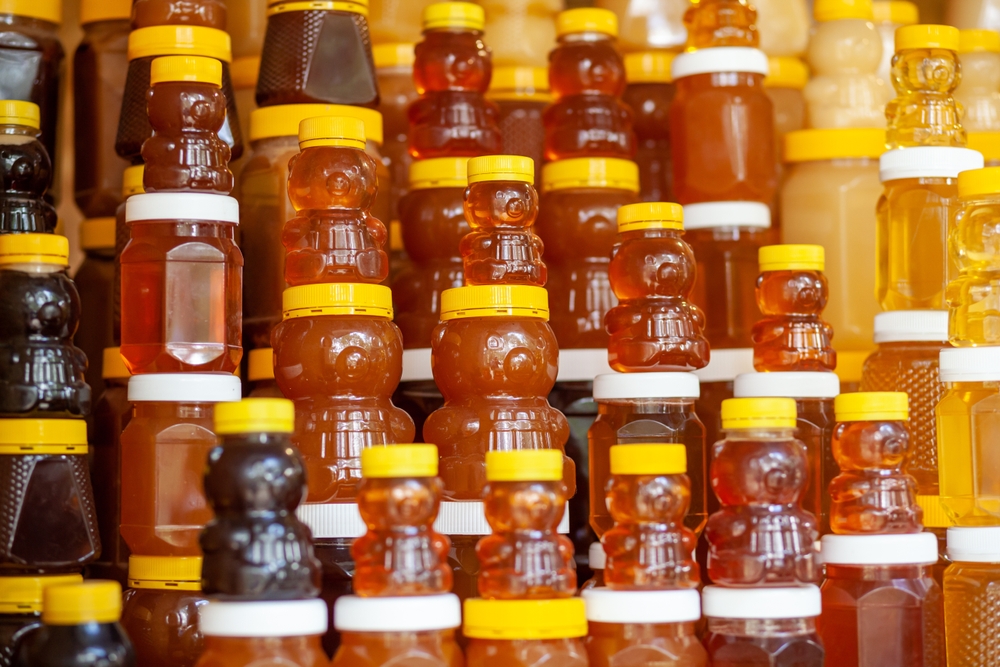
Honey is often seen as the embodiment of purity—a natural, golden sweetener with a range of health benefits. From drizzling it on your morning toast to using it as a remedy for sore throats, it has long held a spot in our homes and hearts. But what if that golden liquid in your cupboard isn’t as pure as you think? Recent investigations have uncovered a startling reality: much of the honey available on store shelves may not be genuine. Instead, it’s often a cleverly disguised mixture of additives that strips away its natural essence.
In the world of honey, something far more unsettling lurks beneath the surface. With over 75% of honey in the U.S. potentially being adulterated, many brands are cutting corners by diluting their honey with high-fructose corn syrup or filtering it so extensively that it loses all its natural pollen—a critical element in identifying its source and authenticity. As consumers, this deception is not just about being misled; it can have health consequences when artificial sweeteners and chemicals replace the real thing.
So, how can you tell whether the honey you’ve been consuming is real? And what does this mean for your health, the environment, and the bees that produce it? These are questions that demand attention. As we peel back the layers on this issue, the truth may surprise you—fake honey is more common than you ever imagined.
Why Honey Is So Much More Than Sweetness

Honey is more than just a delicious treat; it’s a natural powerhouse with a wide array of health benefits, making it an essential part of holistic wellness. For centuries, honey has been used not only as a natural sweetener but also as a therapeutic agent in various cultures.
Natural Sweetener with a Health Boost
Honey’s role as a sweetener is well-known, offering a healthier alternative to refined sugar. Unlike artificial sweeteners, honey contains vitamins, minerals, and antioxidants that support overall health. It is particularly rich in compounds like phenolic acids and flavonoids, which protect the body from oxidative stress and inflammation, potentially reducing the risk of chronic diseases.
Antibacterial and Anti-inflammatory Properties
One of the most remarkable properties of honey is its ability to fight off bacteria and reduce inflammation. Studies show that honey produces small amounts of hydrogen peroxide, which gives it its natural antibacterial abilities.
This makes it an effective treatment for minor wounds and burns, promoting healing while reducing the risk of infection. Additionally, honey’s anti-inflammatory qualities help soothe irritation, whether it’s applied topically to the skin or consumed to ease internal inflammation.
A Skincare Wonder
In the world of natural skincare, honey is prized for its moisturizing, antibacterial, and anti-aging effects. Its ability to lock in moisture makes it a perfect ingredient for hydrating face masks, while its antioxidants help reduce signs of aging like wrinkles and dark spots. Regular use of honey in skincare can also help treat conditions like acne and eczema by calming inflammation and clearing bacteria.
The Real Deal vs. Fake Honey
The quality of honey significantly impacts its benefits. Raw, unfiltered honey retains its natural enzymes, antioxidants, and pollen, providing the most health advantages. On the other hand, heavily processed honey, especially those that have undergone ultra-filtration, lose much of these benefits. Fake honey, often diluted with syrups, lacks the natural compounds that make honey a true superfood, and in some cases, can even pose health risks.
The Honey Hoax: When Your Honey Isn’t Really Honey
When it comes to honey, what you see is not always what you get. A 2011 investigation by Food Safety News revealed that more than 75% of honey sold in U.S. grocery stores had been ultra-filtered, meaning it lacked pollen, which is critical for tracing the origin of honey. This process often conceals adulteration, such as mixing honey with cheaper sweeteners like high-fructose corn syrup, making it harder to identify the honey’s authenticity.
This widespread adulteration often goes undetected because regulatory bodies like the FDA rarely test imported honey, despite acknowledging the issue. In many cases, honey from countries like China—where questionable practices are more common—makes its way into the U.S. market undetected.
Additionally, much of the honey imported into the U.S. comes from countries like China, where questionable practices and honey laundering (through intermediary countries) further complicate the issue of adulteration.
Here are popular brands revealed by Food Safety News to be fake honey:
- American Choice Clover Honey
- Archer Farms Orange Blossom Honey
- Busy Bee Organic Classic Honey
- Busy Bee, Pure Clover Honey
- CVS Honey
- Fred Meyer Clover Honey
- Full Circle Pure Honey
- Giant Eagle Clover Honey
- GE Clover Honey
- Great Value, Natural & Pure
- Haggen Honey, Natural & Pure
- HT Traders Tupelo Honey
- Kroger Pure Clover Honey
- Market Pantry Pure Honey
- Mel-o 100 % Pure Honey
- Natural Sue Bee Clover Honey
- Naturally Preferred Fireweed Honey
- Rite Aid Honey
- Safeway Clover Honey
- Silver Bow Pure Honey
- Stop and Shop Clove Honey
- Sue Bee Clover Honey
- Thrifty Bee Honey
- Valutime Honey
- Walgreen MEL-O honey
- Western Family Clover Honey
- Wegman Clover Honey
- Winnie the Pooh, Pure Clover
Why Ultra-filtration Is a Problem
Ultra-filtration was originally developed to remove impurities like wax or bee debris from honey, but today, it’s often misused to mask the origin of the honey. By filtering out pollen, manufacturers can make honey more shelf-stable and hide its source. Without pollen, it becomes impossible to trace the honey back to its geographic or botanical origin, leaving consumers in the dark about what they’re really buying. This process also removes valuable enzymes and antioxidants, significantly reducing the nutritional benefits of the honey.
How Chinese Honey Infiltrates the Market
China plays a significant role in supplying honey to the U.S. market, but this has raised concerns about the quality and safety of the product. Much of the honey that enters the U.S. from China is often adulterated with additives like high-fructose corn syrup or subjected to illegal practices such as honey laundering. This involves shipping honey through intermediary countries to mask its Chinese origin and avoid the high tariffs imposed on Chinese honey.
Questionable Production Practices
One of the most alarming issues is the widespread use of antibiotics, pesticides, and heavy metals in Chinese honey production. During an epidemic of bacterial disease in Chinese hives in the 1990s, antibiotics like chloramphenicol—banned in the U.S. for honey production—were used to boost hive health. However, traces of these substances have been found in the honey exported to other countries. Additionally, Chinese honey has been found to contain high levels of lead and other harmful chemicals, which enter the product through contaminated production methods.
Health Impacts of Consuming Fake Honey
When adulterated honey containing antibiotics, pesticides, or heavy metals is consumed, it can have serious health consequences. Regular exposure to antibiotics in food products can contribute to antibiotic resistance, a growing global health threat. Moreover, long-term exposure to heavy metals such as lead can lead to heavy metal toxicity, which affects vital organs like the kidneys and liver, and poses risks of developmental issues, particularly in children.
Raw, Pure Honey: The Healthier (and Safer) Alternative

Raw honey, often referred to as “honey in its purest form,” offers far more health benefits than processed varieties. This honey undergoes minimal filtration, allowing it to retain its natural compounds, including pollen, antioxidants, enzymes, and even traces of bee propolis and wax. These components are responsible for many of honey’s healing properties, which can be lost during pasteurization and filtration processes.
Unlike processed honey, raw honey contains high levels of antioxidants, which help neutralize free radicals in the body and may reduce the risk of chronic diseases. It is also rich in beneficial enzymes like diastase and invertase, which aid digestion and support immune function. Bee pollen, naturally present in raw honey, adds an extra layer of health benefits, as it contains amino acids, vitamins, and minerals that contribute to overall wellness.
In contrast, processed honey undergoes heating and filtration to improve shelf life and clarity. However, these methods destroy many of the natural nutrients, making it a less healthful option. Processed honey often lacks pollen and has a uniform, clear appearance, but it doesn’t provide the same range of benefits as raw honey.
Tips for Choosing Real Honey: How to Ensure You’re Buying the Good Stuff

Here are some actionable steps to help you navigate the honey market with confidence and avoid purchasing fake or adulterated honey:
1. Read Labels Carefully
Look for keywords such as “raw,” “unfiltered,” and “local” on the honey jar. These terms indicate that the honey is minimally processed and retains its beneficial enzymes, antioxidants, and pollen. Avoid jars labeled with terms like “blended” or “high-fructose corn syrup”.
2. Check the Source
Investigate where the honey is coming from. Opt for brands that are transparent about their sourcing practices and prioritize ethical beekeeping. Supporting local beekeepers or companies with direct links to their producers can guarantee a higher level of authenticity and traceability.
3. Seek Certifications
Look for certifications like “USDA Organic” or “Real Texas Honey.” These certifications provide an extra layer of confidence as they guarantee the honey has met strict standards for purity and quality. Additionally, brands offering traceability through labels, QR codes, or batch numbers are often more reliable.
4. Support Local Beekeepers
Buying honey directly from local beekeepers or farmers’ markets ensures you’re getting real, unadulterated honey. Small-scale beekeepers tend to follow more sustainable practices and prioritize the health of their bees, offering a product that’s fresher and richer in nutrients.
5. Be Price Aware
Real honey, especially raw or organic varieties, tends to be more expensive. If the price seems too low, it could be a red flag that the honey has been adulterated with cheaper sweeteners like corn syrup.
6. Conduct Simple Tests at Home
Try the spoon test: dip a spoon into honey and let it flow off. Pure honey should flow smoothly in a steady stream. Another test is the water test: drop a teaspoon of honey into a glass of water. Pure honey will settle at the bottom, while fake honey will dissolve quickly.
The Bitter Truth About Sweet Honey
As the sweet allure of honey continues to captivate taste buds, it’s vital to recognize that not all honey is created equal. By understanding the hidden pitfalls of adulterated honey and choosing raw, unfiltered alternatives, you not only safeguard your health but also support ethical beekeepers and the environment. Bees, essential pollinators, are at the heart of a thriving ecosystem, and by choosing sustainable honey, you contribute to their survival and the overall balance of nature.
Ultimately, the choices you make in the honey aisle extend far beyond sweetness. By opting for authenticity, you’re protecting both your health and the planet—one golden drop at a time. Let your next jar of honey be a conscious, informed choice, one that honors both nature’s brilliance and the bees that make it possible.
