
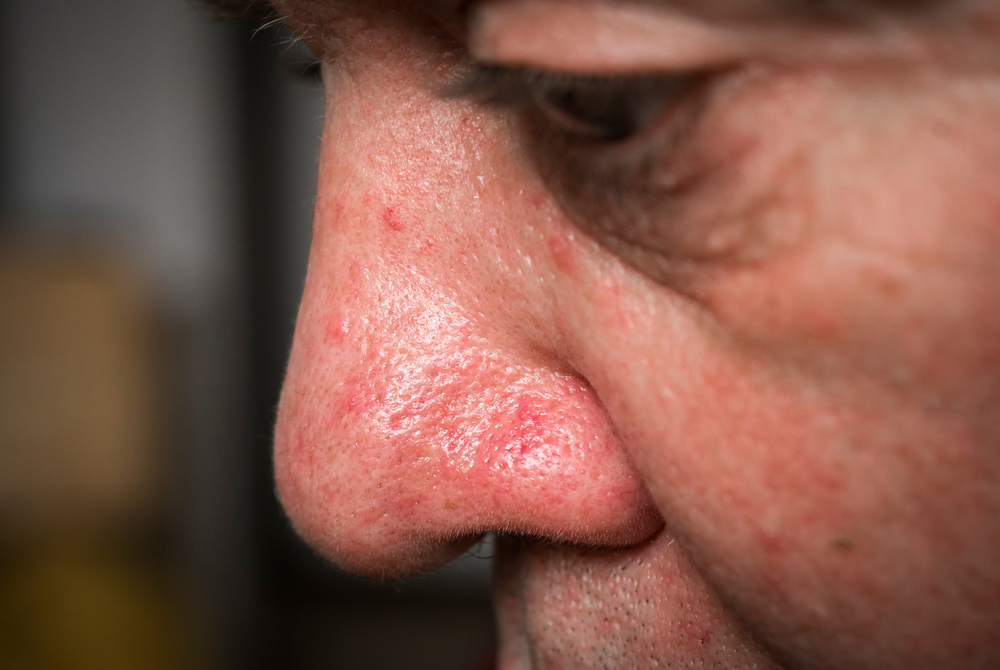
A man from North Wales faced one of the most challenging transformations doctors had ever seen. His nose began to grow uncontrollably, changing his appearance and making everyday life difficult. The condition became so severe that he could no longer kiss his wife. What seemed like a simple cosmetic issue was later diagnosed as rhinophyma, a rare skin disorder that can cause the nose to become thick, enlarged, and bumpy over time.
This rare condition does not appear overnight. For many individuals, the earliest signs can include persistent redness or swelling of the nose that gradually worsens. Over months or years, this swelling can develop into a more pronounced enlargement, especially when the underlying rosacea remains untreated. The man’s story has inspired thousands of readers to recognize the importance of paying attention to early skin changes that might signal something more serious.
Rhinophyma not only changes appearance but also interferes with daily activities. Breathing can become restricted when nasal passages narrow, and eating or speaking may feel uncomfortable. The weight of excess tissue can also cause physical strain. In this man’s case, the emotional burden of isolation compounded the physical discomfort, illustrating how complex and life-altering this condition can be.

Understanding Rhinophyma
Rhinophyma is a subtype of rosacea, a chronic skin condition that affects millions worldwide. While rosacea usually causes redness and small bumps on the face, rhinophyma affects the sebaceous glands on the nose, leading to thickened skin and abnormal tissue growth. The result can be a bulbous, misshapen nose that not only affects appearance but also breathing and self-esteem.
The exact cause of rhinophyma is not fully understood, but doctors believe it is influenced by untreated rosacea, genetic factors, and chronic inflammation of the skin. It occurs more frequently in men, especially those over 50, and is often worsened by alcohol, heat exposure, and stress.
Researchers have observed that hormonal factors and vascular abnormalities in the skin may also play a part. Increased blood flow to the nose, combined with excess oil production, may encourage tissue thickening. Inflammation further amplifies these effects, creating a cycle that is difficult to break without intervention. Scientists continue to study how bacteria and immune responses contribute to the worsening of the disease.
Although rhinophyma is rare, its presence can lead to significant emotional strain. People affected by it often experience embarrassment or self-consciousness. Many delay seeking treatment because they fear being judged. Greater public awareness helps reduce stigma, making it easier for individuals to reach out for help early on.
The Emotional Toll of a Visible Condition
For many people, skin conditions affect far more than appearance. The man described in the reports shared that his confidence was shattered. He felt people stared at him in public and avoided social interactions. His growing nose made it impossible to show affection or even perform basic tasks comfortably.
Skin conditions that alter appearance can lead to anxiety, depression, and isolation. Research has shown that individuals with visible skin disorders are more likely to experience psychological distress. Compassion and understanding from others are crucial for those who face these challenges.

Beyond the personal struggle, these conditions highlight the need for psychological support alongside medical care. Dermatologists often collaborate with mental health professionals to help patients rebuild confidence. Group therapy and counseling have been shown to improve emotional outcomes, helping patients feel understood and less alone.
Family support also plays a key role. Partners, friends, and relatives who provide emotional reassurance can make a tremendous difference in recovery. The story of this man and his wife shows the strength of love and patience, reminding us that healing is not just about physical recovery but also about restoring connection and hope.
A Life-Changing Surgery
After years of emotional and physical discomfort, the man underwent surgery to remove the excess tissue. Doctors described it as one of the most severe cases they had ever seen. Using laser and reconstructive techniques, surgeons carefully restored his nose’s shape and function. The transformation was remarkable, giving him not only a new appearance but also a renewed sense of confidence and normalcy.
Surgical treatment for rhinophyma can involve laser therapy, scalpel excision, or dermabrasion. These procedures remove excess tissue and smooth the skin’s surface. When combined with medical treatments that control rosacea, surgery can prevent regrowth and help maintain healthy skin.
The recovery process after surgery requires careful management. Patients are often advised to keep the area clean, avoid direct sunlight, and use prescribed creams to prevent infection. Although the initial healing phase can be challenging, most people report a dramatic improvement in both comfort and confidence once swelling subsides.
In addition to surgery, ongoing dermatologic care is essential. Regular follow-ups help monitor healing and manage any flare-ups. Many patients also adopt lifestyle adjustments such as reducing alcohol intake and practicing stress management, which support long-term results.

What Causes Rhinophyma to Worsen
While the condition itself is rare, its progression can be influenced by several lifestyle and environmental factors. Dermatologists often recommend early treatment of rosacea to prevent rhinophyma. Some known triggers include:
- Excessive alcohol use
- Spicy foods
- Chronic sun exposure
- High stress levels
- Harsh skincare products
By identifying and avoiding these triggers, many people can reduce the severity of rosacea and lower their risk of developing rhinophyma.
Beyond these common triggers, genetic tendencies and hormonal changes may intensify flare-ups. Some people may notice worsening symptoms during colder months or periods of stress. Using gentle skincare and maintaining a healthy diet can mitigate these triggers. Small changes such as avoiding hot beverages and applying cold compresses to reduce redness can also make a difference.
Environmental factors, including pollution and smoke exposure, can damage skin barriers and worsen inflammation. Protecting the skin from harmful elements is a preventive step often overlooked. Maintaining consistent skincare habits and consulting with professionals can help control symptoms before they escalate.
Natural and Supportive Care Options
For those managing rosacea or rhinophyma, combining medical and natural care can be helpful. Gentle skincare routines, anti-inflammatory diets, and stress management techniques all contribute to overall skin health.
- Gentle cleansing: Use fragrance-free cleansers that soothe rather than strip the skin.
- Anti-inflammatory diet: Focus on foods rich in antioxidants, omega-3 fatty acids, and vitamin C to reduce inflammation.
- Mind-body practices: Meditation and yoga can help regulate stress hormones that may worsen rosacea symptoms.
- Sun protection: Regular use of sunscreen prevents flare-ups triggered by UV exposure.
Herbal remedies such as green tea extracts and aloe vera have been studied for their soothing properties. Applying natural balms rich in chamomile or calendula may help reduce redness. Ayurveda also recommends herbs like neem and turmeric to balance heat and inflammation in the body, promoting clearer and healthier skin.
Holistic care emphasizes consistency. Building daily habits that nurture both body and mind helps sustain skin health over time. Regular hydration, adequate sleep, and balanced meals all contribute to improving complexion and resilience against inflammatory skin conditions.

Compassion and Awareness
Rhinophyma serves as a reminder that behind every visible condition lies a deeply personal story. For the man who could not kiss his wife, the journey from disfigurement to healing was not just medical but emotional. His experience encourages greater awareness and empathy for those living with conditions that affect appearance.
When people approach visible differences with curiosity instead of judgment, it creates space for understanding. Campaigns that promote skin positivity and awareness can reduce stigma and help others find courage to seek medical advice. Communities that foster empathy build confidence for individuals struggling with their appearance.
Awareness also drives progress in research and healthcare. As more people share their experiences, funding and medical innovation increase. Open conversations about conditions like rhinophyma allow early diagnosis and prevent unnecessary suffering. Compassionate attention to such cases strengthens both social awareness and medical response.

A Hopeful Outlook
Modern medicine has come a long way in treating both the physical and emotional aspects of skin disorders. With advanced laser therapies and holistic skincare practices, people with rhinophyma now have better options than ever before. Beyond treatment, fostering understanding and kindness remains one of the most powerful forms of healing.
Future research is focusing on how genetics and the immune system interact to cause chronic skin changes. Early identification of rosacea and inflammation markers may prevent rhinophyma entirely. The combination of medical innovation and compassionate care offers hope for people who once felt invisible.
Ultimately, the story of this man reminds us that recovery is not only possible but transformative. Through awareness, modern treatments, and emotional support, those affected by severe skin conditions can reclaim their confidence and connection to life.
