
In many parts of the world, urban expansion often means cutting down trees to make room for new roads, buildings, or infrastructure. But in Japan, there’s a different approach. Instead of uprooting trees, these natural wonders are moved—carefully and with precision—to make way for development. Imagine walking through a busy city, where the hum of traffic and the hustle of urban life surround you, yet you see an ancient tree still standing tall, just slightly shifted to a new spot. It’s not a scene you’d expect in most cities, but in Japan, this practice is not only common but also deeply rooted in cultural and environmental values.
While it may seem unusual to move a tree instead of removing it, this practice reflects Japan’s unique relationship with nature. Trees are much more than just a part of the landscape—they hold significant cultural and spiritual meaning. The act of relocating rather than removing them shows the country’s commitment to preserving its natural heritage, even in the face of rapid urbanization.
So, what does it take to move a tree? How does Japan manage this delicate task, and why is it worth the effort? Let’s explore the fascinating practice of tree relocation and how it blends respect for nature with modern urban planning.
The Sacred Role of Trees in Japanese Culture

In Japan, trees are not just seen as part of the scenery—they carry profound cultural and spiritual significance. Rooted deeply in Shinto, Japan’s indigenous religion, trees are often considered sacred. In Shinto belief, certain trees are thought to house spirits, acting as dwellings for kami, or deities, that embody the spirit of the land. This reverence for nature is a cornerstone of Japanese culture, and it influences everything from national festivals to daily life.
For centuries, Japanese gardens have been designed not only for their beauty but also to reflect a deep respect for nature. Trees, whether towering centuries-old cedars or meticulously pruned bonsai, symbolize life, endurance, and the connection between humanity and the natural world. In fact, the art of bonsai itself—growing miniature trees—teaches patience, discipline, and a harmonious relationship with nature. These cultural practices highlight the reverence that Japan holds for its trees and help explain why relocating a tree rather than removing it is a common practice in urban development.
Local communities often see trees as symbols of history and identity. For instance, some trees have been standing in the same spot for centuries, marking significant events or serving as a living link to the past. When a tree is slated for removal due to construction, the decision to relocate it reflects a broader philosophy: urban growth doesn’t have to mean sacrificing nature. By moving a tree, Japan preserves not only a physical symbol of its history but also its spiritual connection to the environment.
In a world where rapid urbanization often leads to the destruction of natural spaces, Japan’s approach offers a rare and meaningful solution. Rather than prioritizing development over nature, the country finds ways to blend the two, ensuring that both the past and the future can coexist harmoniously.
The Science Behind Relocating Trees: How Is It Done?
Relocating a mature tree is no simple task. It’s a delicate operation that requires careful planning, expert knowledge, and specialized equipment. The process of moving a tree from one location to another involves more than just lifting it from the ground and placing it elsewhere. It’s a meticulous science aimed at preserving the tree’s health and ensuring its survival in a new environment.
Step 1: Selecting the Right Tree
The first and most crucial step is selecting a tree that is capable of surviving the move. Not all trees are good candidates for relocation, especially if they are too large, fragile, or have an extensive root system that could be easily damaged. Environmental experts and arborists assess factors like the tree’s species, age, size, and overall health to determine whether the tree can handle the stress of being moved.
Step 2: Preparing the Tree for Relocation

Once a suitable tree has been chosen, the preparation begins. The roots are the most critical part of this process. Arborists use techniques like root pruning to carefully trim back the roots, a procedure that reduces the tree’s shock and encourages new growth once relocated. The roots are then wrapped and protected to prevent damage during the move.
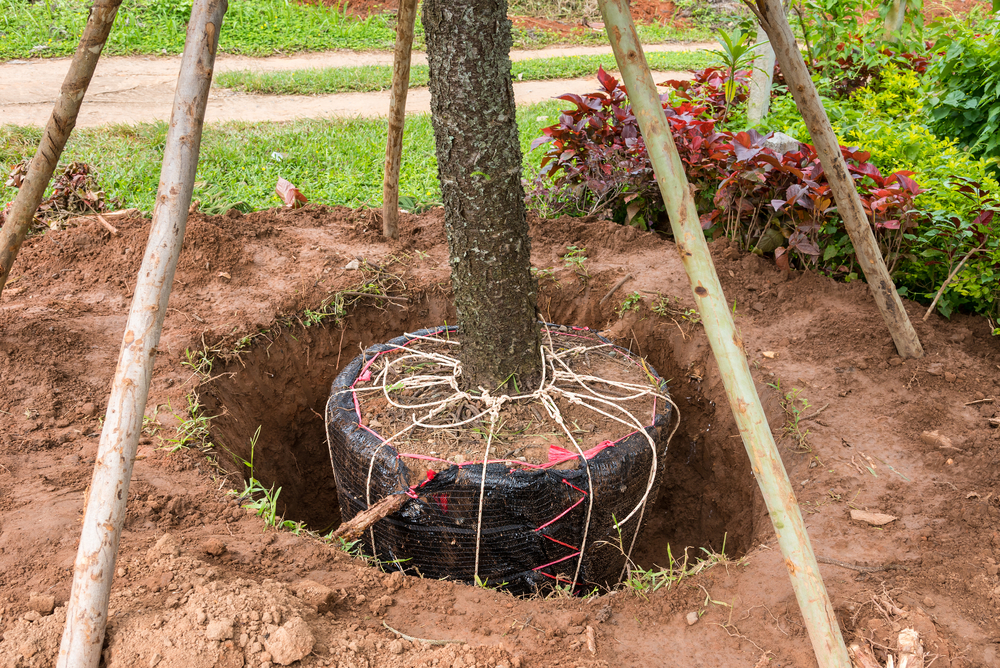
In some cases, a large portion of the surrounding soil is dug up with the roots to create a root ball. This helps preserve the tree’s nutrients and minimizes stress. The size of the root ball depends on the size of the tree, but it’s always done with extreme care to maintain as much of the root system as possible.
Step 3: Transporting the Tree
The next challenge is moving the tree to its new location. Specialized machinery, such as cranes, large trucks, and tree spades, are used to lift and transport the tree. Cranes are capable of lifting even the largest of trees—sometimes weighing several tons—while custom-designed transport vehicles secure the tree in place for the journey.
Moving a tree through busy city streets is no small feat. In urban settings like Tokyo, where space is limited, careful planning and coordination are required to navigate tight corners and ensure the tree doesn’t suffer from any unnecessary bumps or stress during the journey.
Step 4: Replanting the Tree
Once the tree reaches its new location, the replanting process begins. The tree is carefully lowered into a pre-prepared hole, and the soil is adjusted to closely match the original environment. Ensuring the soil’s pH, texture, and composition are similar to the tree’s original home is essential for its survival.
After the tree is planted, it’s carefully monitored to ensure it adapts to its new surroundings. Watering, pruning, and soil adjustments may be necessary to help the tree acclimate. Arborists may also continue to care for the tree for several months or even years after the move to ensure that it remains healthy and stable in its new environment.
This process requires not only technical expertise but also patience. Relocating a tree can take several months of preparation, and even after the move, the tree needs continued care to thrive. However, for Japan, the effort is well worth it. The ability to preserve a tree’s legacy while making room for modern infrastructure speaks to the country’s commitment to balancing progress with environmental stewardship.
Environmental Benefits of Moving Trees Instead of Removing Them

Moving trees instead of removing them isn’t just about preserving cultural heritage—it also offers significant environmental benefits that enhance the health of urban ecosystems. Trees play an essential role in maintaining the balance of the natural environment, and relocating them helps preserve these vital functions even as cities grow.
1. Improving Air Quality
One of the most well-known benefits of trees is their ability to improve air quality. Trees absorb carbon dioxide and other pollutants from the air, releasing oxygen as part of the photosynthesis process. By relocating mature trees, Japan ensures that these natural air purifiers continue to thrive and help combat the harmful effects of urban pollution. This is particularly important in densely populated areas like Tokyo, where air quality can be a significant concern. Mature trees, with their expansive canopies, absorb far more carbon and filter out pollutants much more effectively than younger, newly planted trees.
2. Stormwater Management and Flood Prevention
Another crucial role of trees in urban areas is their ability to manage stormwater. The roots of trees help absorb rainwater, preventing excess runoff that can overwhelm drainage systems and lead to flooding. Trees also slow down the flow of water into storm drains, reducing the risk of erosion and water pollution. By relocating trees, Japan can maintain these natural flood prevention systems, which is especially vital in cities that face heavy rainfall or are prone to seasonal storms.
For example, in areas with frequent storms, trees’ root systems can play a pivotal role in mitigating the impact of floods. By keeping mature trees in place or relocating them, cities can continue to manage water more effectively and sustainably.
3. Biodiversity and Urban Green Spaces

Trees also contribute significantly to biodiversity by providing habitats for a wide variety of wildlife. Birds, insects, and other animals rely on trees for food, shelter, and nesting sites. In urban environments, where green spaces are often limited, mature trees offer essential resources for wildlife and help maintain ecological balance.
By moving trees instead of removing them, Japan ensures that these habitats remain intact. The preservation of mature trees, particularly in highly urbanized areas, helps sustain local wildlife populations and maintain biodiversity within the city. It’s an approach that reinforces the idea that cities should be designed as ecosystems, where both humans and wildlife can coexist.
4. Urban Heat Island Effect
Cities are known for being significantly hotter than surrounding rural areas, a phenomenon known as the “urban heat island effect.” This occurs because of the abundance of heat-absorbing materials like concrete and asphalt, which trap heat during the day and release it at night. Trees, with their canopies, provide natural shade, cooling the surrounding environment and reducing the overall temperature in urban areas. This not only makes cities more comfortable but also helps reduce energy consumption, as less air conditioning is needed to cool buildings.
Relocating trees instead of removing them allows Japan to retain these natural cooling systems, helping to combat the urban heat island effect. It’s a simple but effective way to keep cities livable, especially as climate change leads to hotter, more extreme weather.
Through tree relocation, Japan not only preserves the beauty of its urban landscapes but also ensures the continuation of these vital ecological functions. By choosing to move trees instead of removing them, the country demonstrates a forward-thinking approach to environmental sustainability that other cities around the world could learn from. The long-term benefits—ranging from improved air quality to better flood management—make the effort of tree relocation not just a cultural choice, but an environmentally responsible one.
The Challenges and Costs of Relocating Trees

Moving a tree may sound like a poetic solution to urban development, but it comes with real-world challenges. Japan’s approach—relocating trees rather than removing them—requires serious planning, specialized skills, and a significant financial investment.
1. High Costs and Specialized Equipment
Tree relocation isn’t cheap. The process often involves large cranes, flatbed trucks, and custom-built transport systems designed to carry trees weighing several tons. Equipment alone can cost tens or even hundreds of thousands of dollars. In addition, you need a team of trained professionals: arborists, engineers, heavy machinery operators, and urban planners all play a part in the move.
According to Japanese city planning officials involved in Tokyo’s Minato-ku relocation project, just moving one mature tree can cost anywhere from ¥5 million to ¥20 million (about $33,000 to $130,000), depending on size, species, and site complexity. That price tag includes the prep work, the transportation, and the post-relocation care.
2. Biological Risks to the Tree
Even with the best tools and techniques, tree relocation is a high-stakes operation. Trees are living organisms with complex root systems that can span far beyond their visible trunk. If these roots are damaged or cut incorrectly during excavation, the tree might not survive the move.
Timing also matters. Trees have dormant seasons—typically in late fall or early winter—when they are better equipped to handle stress. Moving a tree outside this window can lower its survival chances. Even after a careful move, there’s no guarantee the tree will thrive in its new environment. Soil conditions, drainage, sunlight, and root stability all have to align for the tree to take root and grow again.
3. Long-Term Commitment
Relocation doesn’t end when the tree is in the ground. Trees need long-term care to survive the shock of being moved. This includes regular watering, monitoring for disease, and possibly pruning to encourage new growth. In some cases, it can take years before a relocated tree is considered fully stabilized.
In Tokyo, arborists often stay involved for months after a move, checking root development and soil health. If the tree shows signs of distress—like leaf drop or fungal growth—interventions are needed quickly. That’s why tree relocation is often considered only for trees with cultural, historical, or environmental value that justifies the time and cost.
4. Logistics in Crowded Urban Areas
Urban environments pose unique logistical challenges. Streets are narrow. Utility lines, underground pipes, and nearby buildings can restrict access. In densely packed cities like Osaka and Tokyo, tree relocation requires surgical precision. Entire sections of roads may need to be closed. Infrastructure might have to be temporarily removed. All of this adds to the complexity—and cost—of the move.
Still, despite these challenges, Japanese cities continue to relocate trees when the benefits outweigh the obstacles. Projects like the one in Minato-ku show how, even with limited space and tight budgets, city planners and environmentalists work together to prioritize preservation.
Choosing to move trees instead of cutting them down isn’t the easiest option. But in Japan, it reflects a deep respect for both heritage and environmental health. It’s a long-term investment in something that many places treat as disposable.
The Balance of Progress and Preservation

Japan’s decision to relocate trees instead of removing them sends a powerful message about urban growth. It demonstrates that building new roads and expanding cities doesn’t have to come at the cost of losing connection with nature or erasing history. Instead, Japan has shown the world how progress and preservation can coexist through thoughtful, intentional urban planning.
Relocating trees isn’t easy or cheap, but Japan invests in this practice because the benefits—cleaner air, improved flood management, cooler city temperatures, and preserved biodiversity—are worth the effort. Most importantly, these efforts maintain a cultural respect for nature that enriches communities.
As cities around the world continue to expand, Japan’s approach could serve as a valuable example. By choosing relocation over removal, cities can protect their natural heritage, creating healthier, more livable spaces for everyone.
